
Last updated November 16, 2026
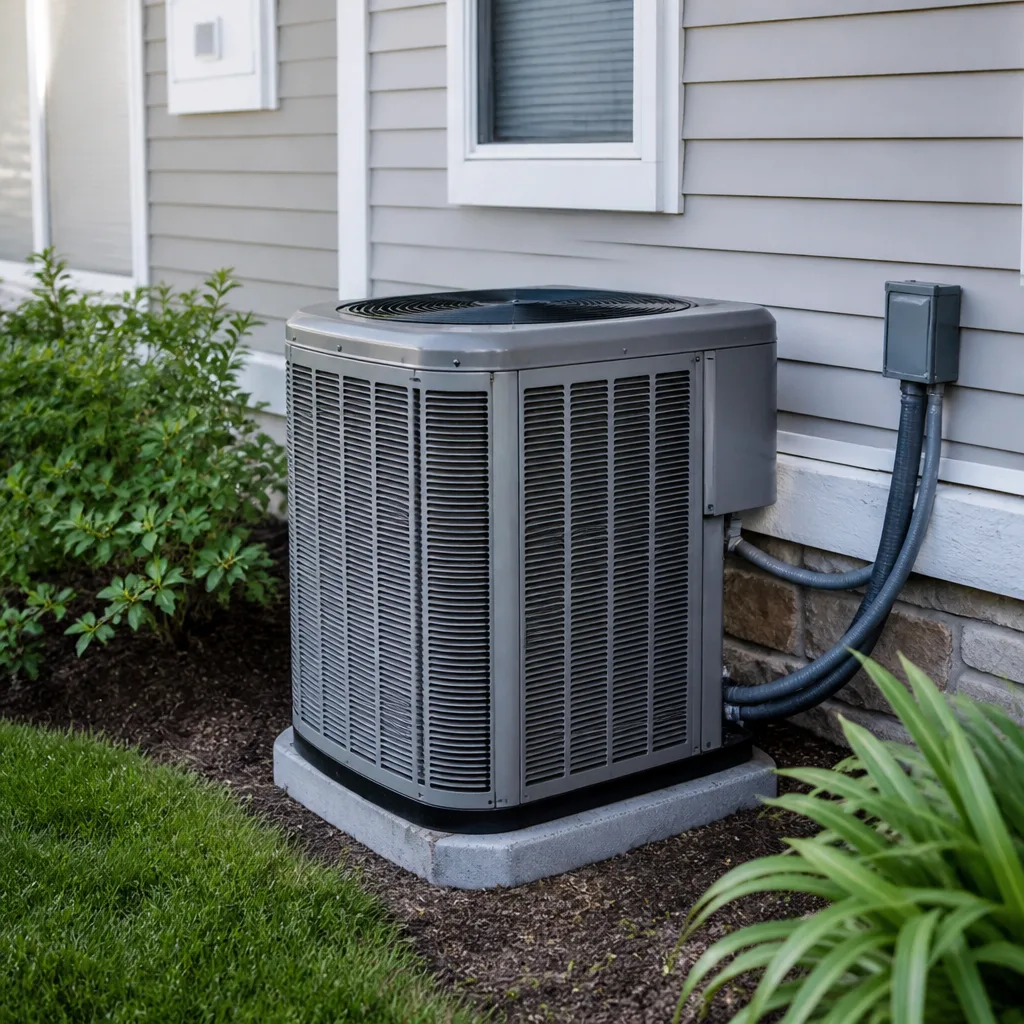 AC repair
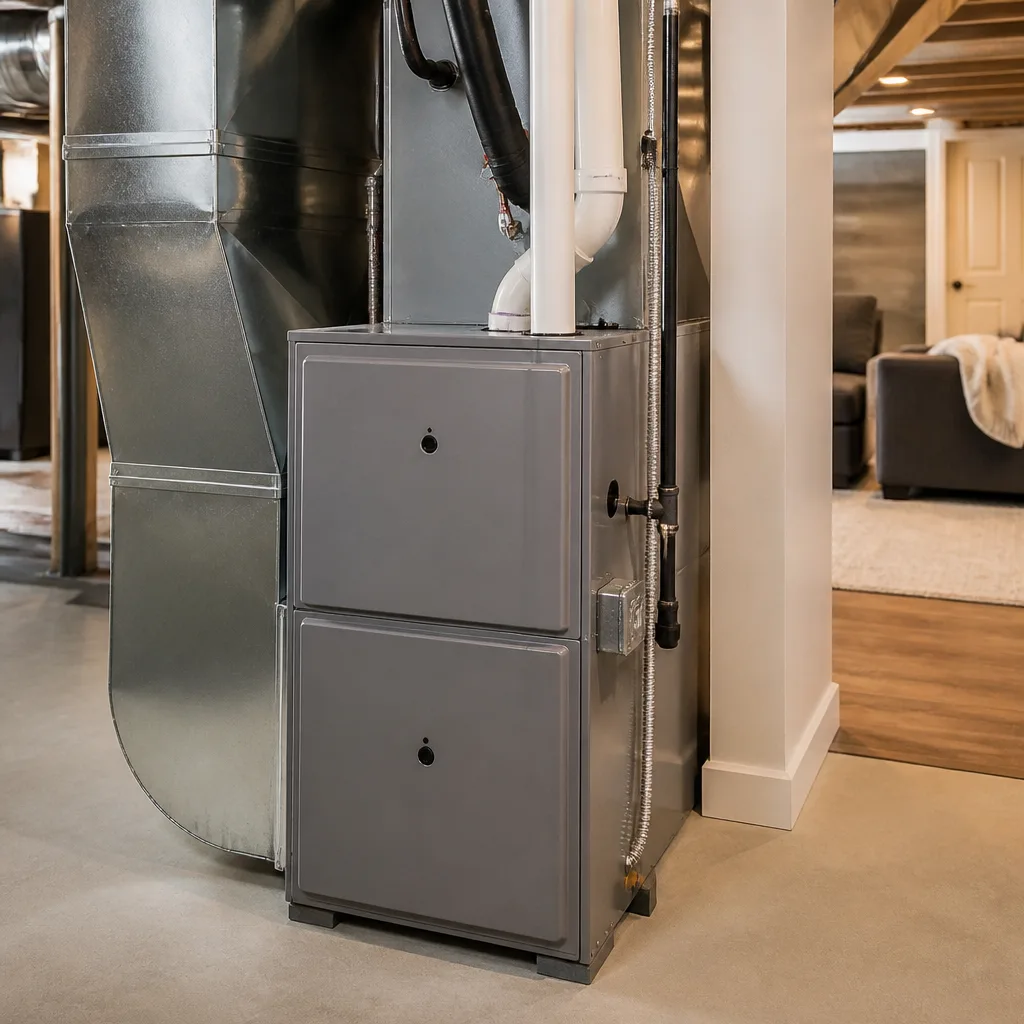 Furnace & heating
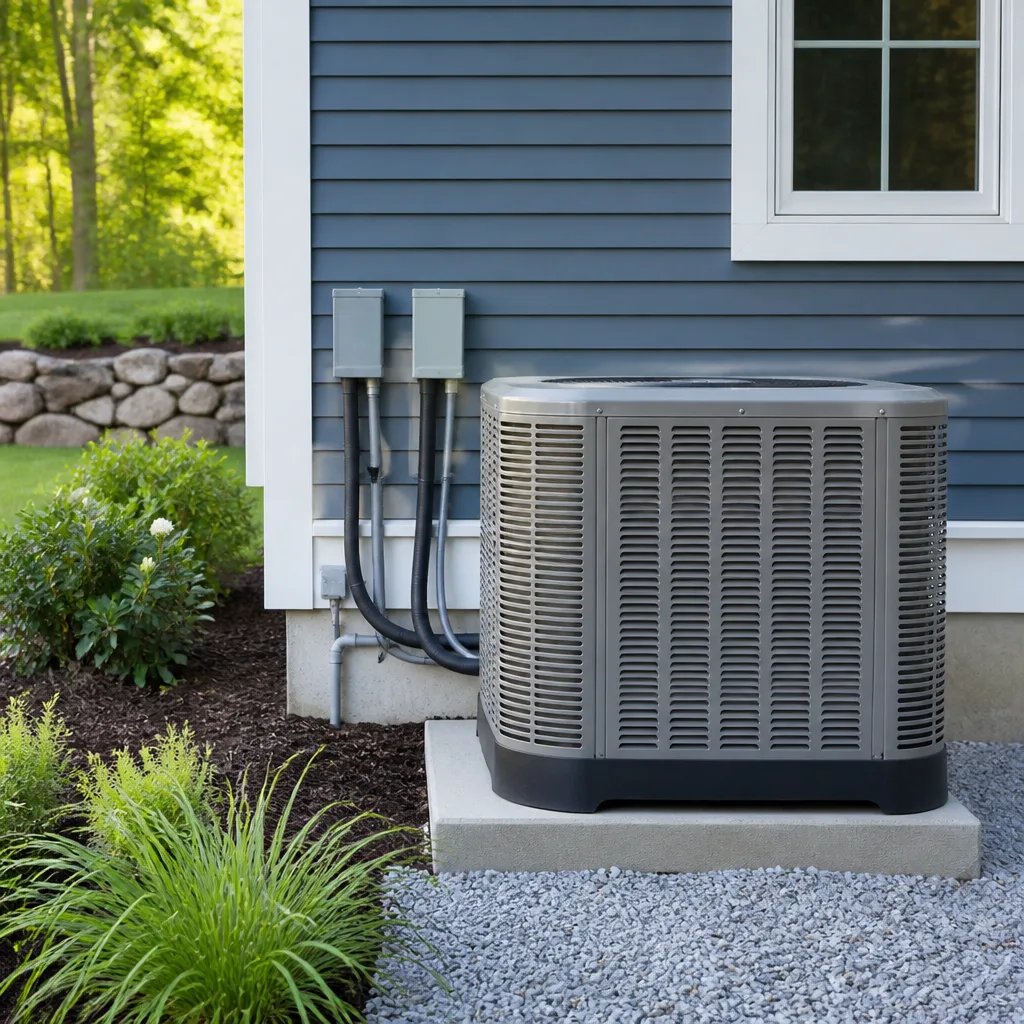 Heat pumps
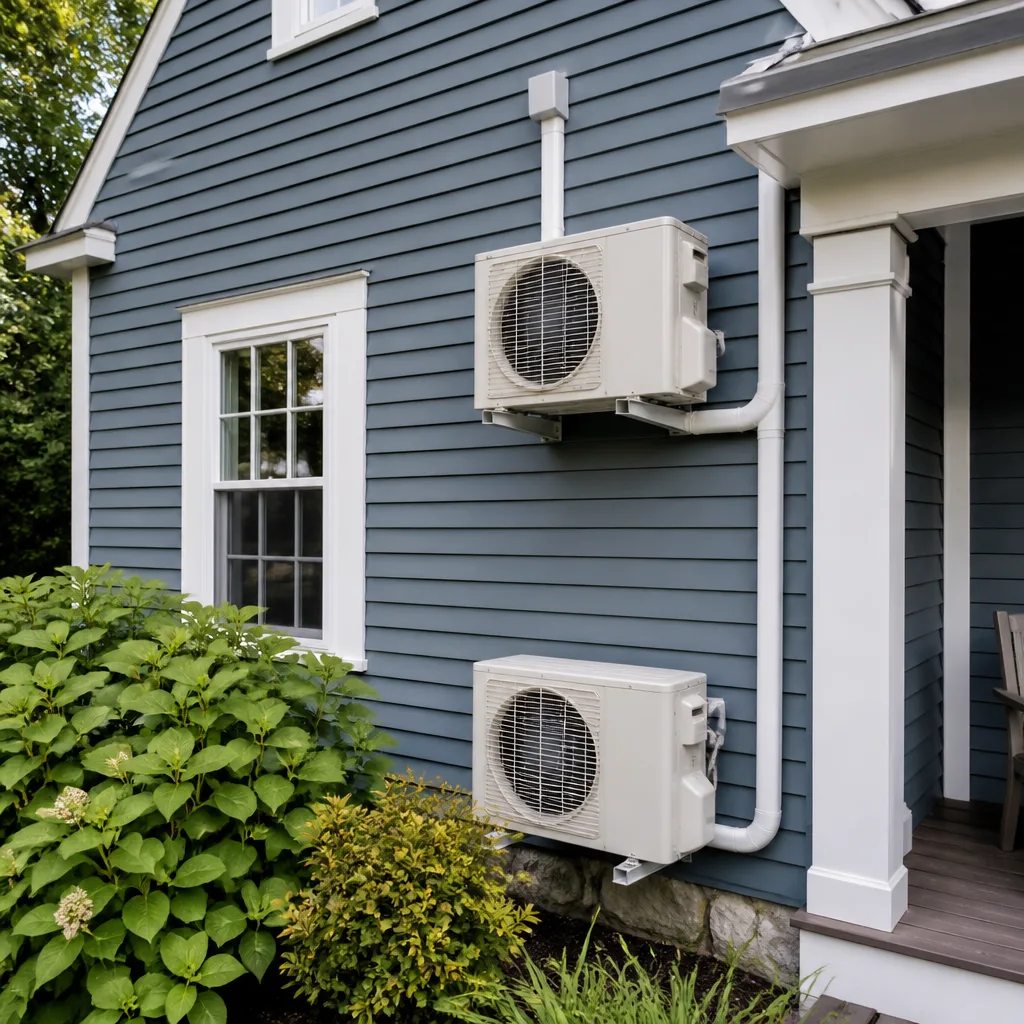 Ductless mini splits
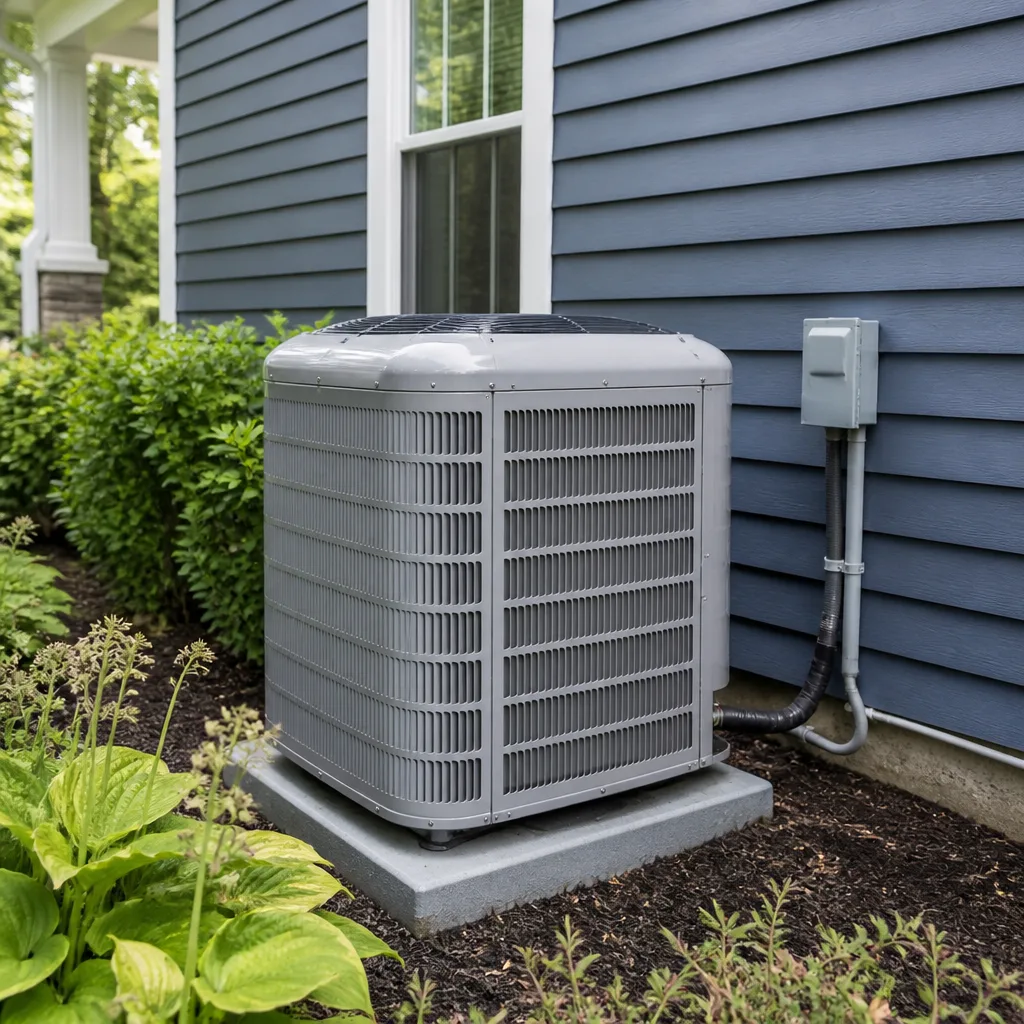 Carrier
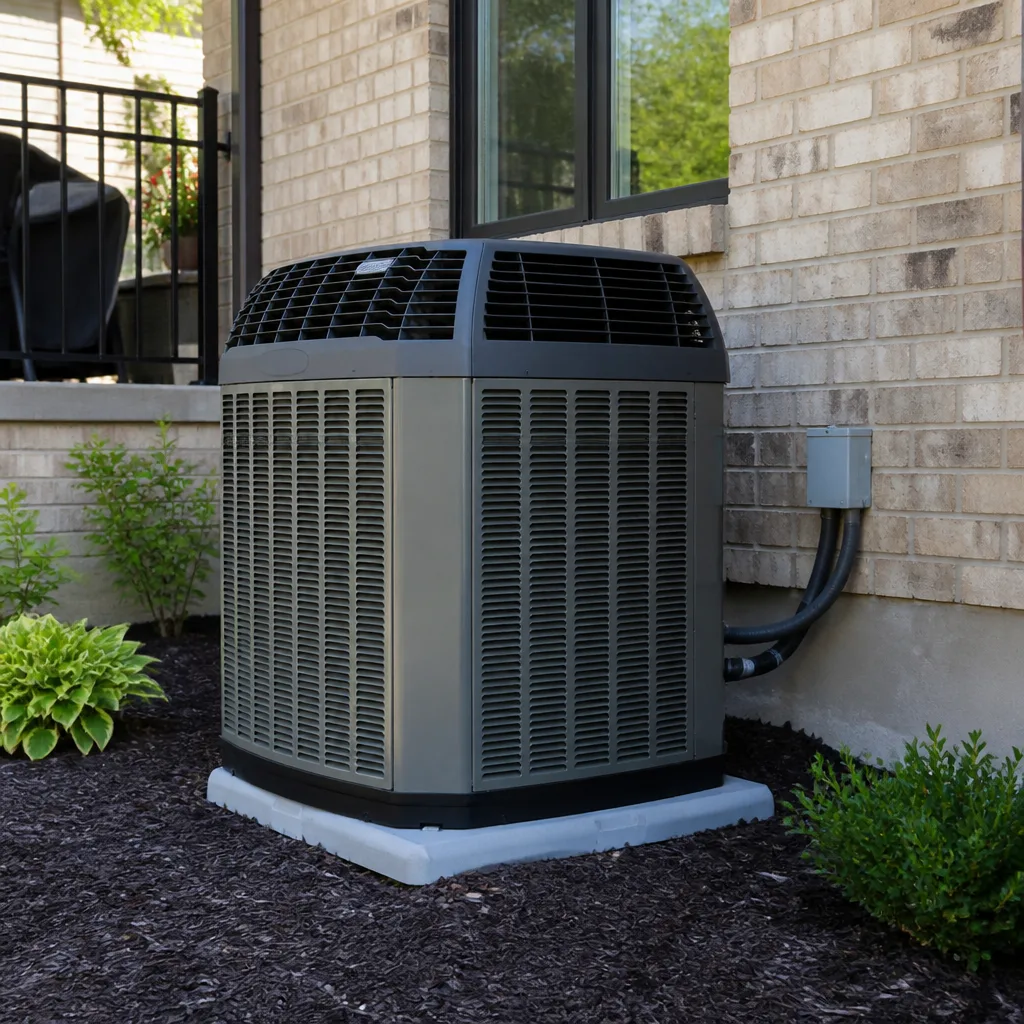 Trane
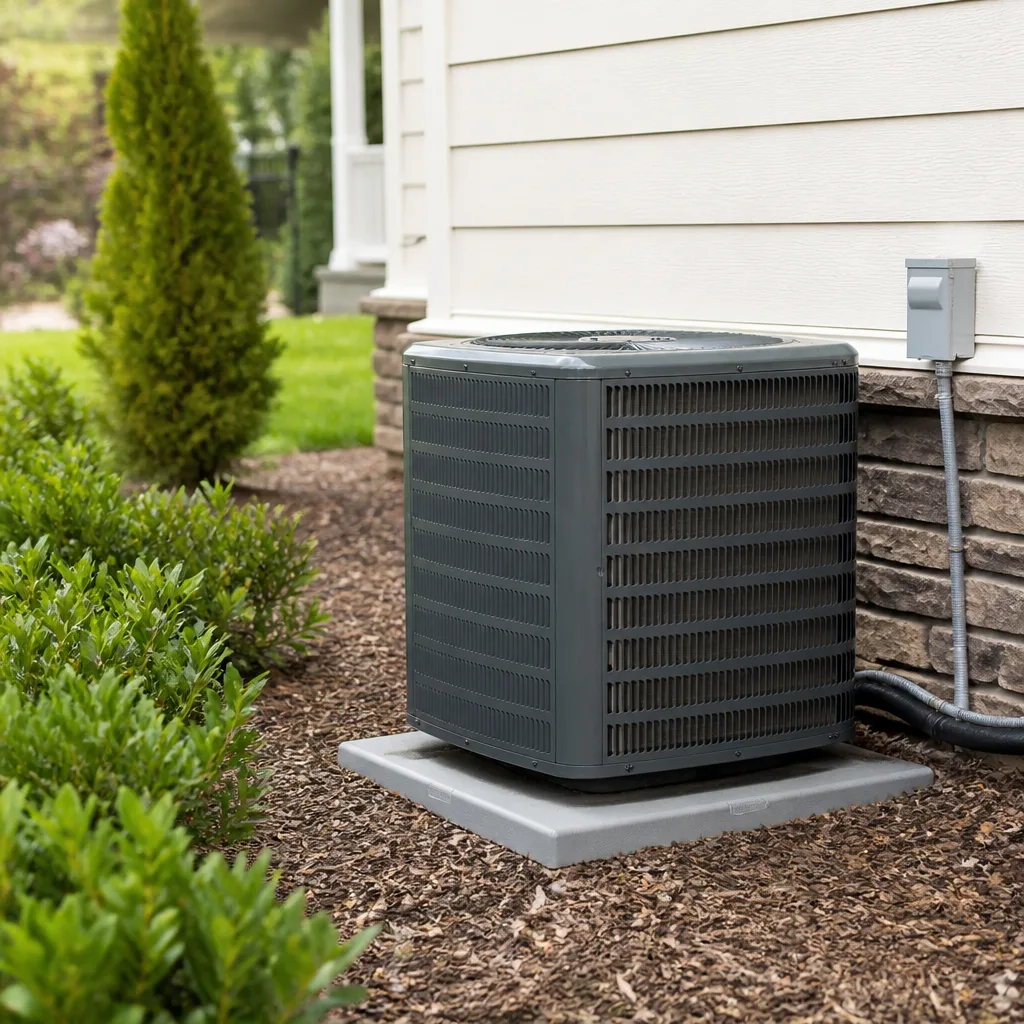 Goodman
Seasonal tune-up and full diagnostic on your Carrier, Trane, or Goodman system - readings shown to you before any repair is proposed
Diagnosis first, numbers second - you approve the repair price before a single part goes in.
Get your free estimateHVAC Permits, Codes & Inspections in Burbank, CA: What You Need to Know
Most homeowners treat an HVAC permit as paperwork, a fee, a signature, something the contractor handles. That assumption is where trouble starts. In Burbank, an air conditioner or furnace is regulated equipment, and the permit is the legal record that it was installed to California’s energy and building standards. Skip it and the equipment runs fine for years, then surfaces at the worst possible moment: a resale, a refinance, an insurance claim, or a city inspection triggered by a neighbor’s remodel. This guide walks you through which HVAC projects in Burbank actually require a permit, what the inspection sequence looks like, how Title 24 documentation works here, and how to fix a past installation that was never permitted.
Quick Answer
In Burbank, most HVAC work that changes or replaces equipment requires a permit from the City of Burbank’s Building Division, including new AC installation, furnace replacement, duct replacement, and any change to the refrigerant circuit or electrical connection. A true like-for-like swap of the same equipment type and capacity may qualify for a simpler process, but it still needs to be confirmed with the city before work starts. Permits are relatively inexpensive compared to the cost of re-permitting a completed installation, and Title 24 energy compliance documentation is required as part of the submission on most HVAC projects in Burbank.
Styles & brands we work with
- AC repair
- Furnace & heating
- Heat pumps
- Ductless mini splits
- Carrier
- Trane
- Goodman
Table of Contents
- Why HVAC Permits Matter in Burbank
- Which HVAC Projects Trigger a Permit in Burbank?
- How Burbank’s Title 24 Requirements Differ
- The Inspection Sequence: Rough, Final, HERS
- What “HERS-Rated” Duct Testing Actually Means
- How to Retroactively Permit an Existing Installation
- Working With a Contractor on Permits
- Common Mistakes to Avoid
Why HVAC Permits Matter in Burbank
A permit is not the city’s way of slowing you down. It’s the legal record that your HVAC system was installed to the standards that Burbank and the State of California have adopted, and that record follows the property, not the contractor. That distinction matters because a homeowner can live with an unpermitted installation for a decade and only discover it when someone else asks for the paperwork.
Three situations reliably expose an unpermitted HVAC job:
- Resale. Buyer’s lenders and title companies often require proof of code compliance for major system replacements, especially when the replacement was pulled as part of a remodel.
- Insurance claims. If a fire or water loss involves the HVAC system, the adjuster will ask for the permit history. An unpermitted installation can complicate or reduce the payout.
- Refinancing and appraisal. Some appraisers note unpermitted work, and underwriters may flag it before approving a new loan.
None of this is unique to Burbank, but Burbank is stricter than many surrounding areas. The city operates its own building department with its own submittal requirements and inspection preferences, rather than deferring to Los Angeles County’s process. That means a contractor who’s used to pulling permits in unincorporated LA County cannot assume the same paperwork, the same fee structure, or the same inspection sequence will apply when the job is inside Burbank city limits.
We work on the system you already have, whether that’s a Rheem furnace installed fifteen years ago or a newer Daikin heat pump, and the first question we ask before any replacement work is whether the existing installation was permitted. Our technicians have up to experience and have walked through enough Burbank permit files to know where the friction points are. If the answer is “I don’t know,” that’s usually a sign to check before assuming.
Which HVAC Projects Trigger a Permit in Burbank?
Not every HVAC job needs a permit, but the line between “permit required” and “exempt” is narrower than most homeowners expect. The safest approach is to confirm with the City of Burbank’s Building Division before scheduling work. Here’s how the categories generally break down.
Projects That Typically Require a Permit in Burbank
- New AC installation. Any new condensing unit or air handler, whether it’s a fresh install or replacing an old one.
- Furnace replacement. A new furnace, including a change in fuel type, capacity, or venting configuration.
- Duct replacement or significant duct modification. Any duct work that touches more than a trivial percentage of the system, or that changes the layout.
- Electrical work associated with HVAC. New circuits, disconnects, or panel connections tied to heating and cooling equipment.
- Refrigerant line changes. New line sets, relocation of the condenser, or a change from one refrigerant type to another.
- Heat pump installation or conversion. Including replacing a gas furnace with a heat pump, which is becoming more common in Burbank as electrification incentives evolve.
Projects That Are Often Exempt (But Still Need Confirmation)
- Like-for-like replacement where the new unit is the same type, same capacity, and the same location, and the electrical and ducting are unchanged. Even here, Burbank usually requires a permit for the equipment itself because the energy compliance documentation must be filed. “Exempt” is a phrase we use loosely, and the city is the authority.
- Minor repairs that don’t involve replacing equipment, such as swapping a capacitor, thermostat, or blower motor. These typically don’t require a permit.
- Filter changes and standard maintenance. No permit, no inspection.
If you’re unsure, ask. A two-minute phone call to the Building Division costs nothing. Getting it wrong can mean paying to redo the paperwork and, in some cases, opening up walls or equipment for inspection after the fact. Pulling the permit before work starts is always cheaper and simpler than fixing it afterward.
How Burbank’s Title 24 Requirements Differ
California’s Title 24 energy code applies statewide, but how it’s enforced varies by jurisdiction. Burbank enforces it directly through the building department, and that direct enforcement is where contractors unfamiliar with the city tend to trip up.
In unincorporated Los Angeles County, an HVAC permit submission is relatively routine: a standard Title 24 compliance form, equipment efficiency specs, and a fee. Inside Burbank city limits, the submission is more specific about which forms are required and how the compliance calculation is documented. The differences aren’t dramatic, but they matter, because a submittal that’s incomplete triggers what contractors call a “correction notice” and pushes the inspection back by days or weeks.
Practically, for a residential HVAC replacement in Burbank, you can expect the permit submission to include:
- The Title 24 energy compliance documentation, prepared by a qualified compliance professional.
- Equipment efficiency specifications, including SEER2 and HSPF2 ratings for air conditioners and heat pumps, and AFUE for furnaces.
- A site plan or diagram showing equipment location, refrigerant line routing, and duct layout if ducts are being replaced.
- Electrical specifications for the equipment, including disconnect and circuit sizing.
- Contractor license and insurance details.
What inspectors actually look for during the final inspection is that the installed equipment matches the permitted specs. If the submittal says the unit will be a certain SEER2 rating and the installed unit is lower, the inspection fails and the permit stays open. We work with Bryant and York equipment regularly and have learned to submit the paperwork only after the exact model is confirmed, not before.
Why This Matters for Homeowners
When a permit fails inspection, the equipment is already installed. You’re not dealing with a “stop work” order mid-job; you’re dealing with a job that’s done but not legal. The fix involves re-submittal, correction, and a second inspection. In real terms, it can mean two to four extra weeks before the permit is final, even if the system is running fine. Choosing a contractor who knows the Burbank submittal requirements on the front end is the easier path.
The Inspection Sequence: Rough, Final, HERS
Burbank HVAC permits typically go through up to three stages of verification. Not every project needs all three, but most AC installations and furnace replacements involve the first two, and duct replacements add the third.
Step 1: Rough Inspection
The rough inspection happens before equipment is fully closed up or connected. This is when the inspector verifies:
- That the equipment location and mounting match the approved plan.
- That refrigerant and condensate lines are routed as drawn.
- That the electrical rough-in, disconnect, and any new circuit are properly installed and accessible.
- That duct routing and insulation (where applicable) match the permitted design.
On a straightforward replacement, rough inspection is often a short visit. On any project that involves new ducting or significant relocation, expect the inspector to spend time on layout verification.
Step 2: Final Inspection
Once the equipment is installed and operating, the final inspection closes the permit. At the final inspection, the inspector checks:
- That the installed equipment model matches the permitted model exactly (SEER2, HSPF2, AFUE all matter).
- That clearances to combustibles, walls, and the electrical panel are correct.
- That the condensate drain terminates correctly and is trapped where required.
- That the electrical connection and disconnect are properly labeled.
- That the system is operating with correct refrigerant charge (usually verified by the contractor’s documentation).
Final inspection is where the “installed-as-permitted” requirement bites hardest. If the contractor swaps to a different brand or model mid-install without re-submitting, the inspection fails. We work on the system you already have, and if a customer’s plan changes mid-job, we re-submit with the city before final inspection rather than risk a failed sign-off.
Step 3: HERS Verification
HERS (Home Energy Rating System) verification is the third-party verification required by California’s Title 24 energy code on certain HVAC work. A certified HERS rater, independent of the installing contractor, inspects and tests the installation to confirm it meets energy compliance. On residential HVAC projects in Burbank, HERS is commonly required on:
- Duct replacement or significant duct sealing
- New system installations where the compliance documentation specifies duct testing
- Certain furnace replacements, depending on the compliance path chosen
HERS verification is scheduled separately from the city inspection. Both have to pass before the permit is complete. The HERS rater’s report is filed with the city, and if the report fails, the contractor either corrects the issue and re-tests or the permit stays open.
What “HERS-Rated” Duct Testing Actually Means
HERS-rated duct testing measures how much air leaks out of the duct system before it reaches the rooms it’s meant to serve. When a duct system leaks, the HVAC equipment runs longer and harder to compensate, which is why California’s energy code requires testing on duct work that’s replaced, significantly modified, or newly installed.
The test itself is straightforward: the HERS rater pressurizes the duct system, measures leakage to outside the conditioned space, and compares the result to the requirement laid out in the permit’s compliance documentation. If the leakage exceeds the threshold, the installation fails the verification. The contractor then seals additional joints and re-tests.
Two things surprise homeowners about HERS duct testing:
- It’s a performance test, not a visual check. An inspector looking at taped joints isn’t the same thing as a HERS rater measuring leakage. Both matter, but they’re different verifications.
- It’s required on replacements, not just new construction. This is where a lot of Burbank homeowners get caught off guard. When the duct system is being replaced as part of a furnace or AC replacement, HERS testing is generally required by the compliance path, which means a second visit from an independent rater and a separate pass/fail threshold.
For older Burbank homes, particularly those in the Rancho Equestrian and Magnolia Park neighborhoods where original duct systems from the mid-century are still in place, this is often the first time the ducts have ever been measured for leakage. The results aren’t always pretty, which is why a contractor who plans for it will budget the time to seal and re-test before final sign-off.
How to Retroactively Permit an Existing Installation
If you’ve bought a home with an unpermitted HVAC installation, or you’re selling and discover the previous owner skipped the permit, retroactive permitting is possible. It’s also more expensive and more time-consuming than pulling the permit upfront, and there’s no way around that.
Here’s how the process typically works in Burbank:
- Confirm the situation. Pull the property’s permit history through the City of Burbank’s online permit portal or by contacting the Building Division directly. Sometimes what looks unpermitted was permitted under a different address or prior owner name.
- Assemble documentation. Gather the equipment make and model, install date if known, and any contractor paperwork you can find. If the installation predates your ownership, this is often the hardest step.
- File an as-built permit. Burbank accepts as-built permits for completed work that meets current code, which means the equipment has to be brought up to current Title 24 requirements to pass. In practice, that can require upgraded equipment, corrected ducting, or additional electrical work.
- Schedule inspections. The rough and final inspection sequence still applies, even though the work is already done. The inspector will open walls or panel covers as needed to verify what’s inside.
- HERS verification if required. Duct replacements or system changes will generally require HERS testing on the as-built permit, same as a new installation.
- Close the permit. Once the final inspection and any HERS report pass, the permit is closed and the installation is legal.
The realistic cost of re-permitting an existing installation usually runs higher than the original permit fee would have been, because the work of bringing the installation up to current code is added to the permit process. If upgrades like new ducting or equipment replacement are needed, the total can climb further. Timeline varies with the complexity of the retrofit and current inspection availability at the city. A straightforward as-built on a code-compliant installation can close in a few weeks. A retrofit that involves correcting outdated equipment or duct leakage can stretch to several months.
Working With a Contractor on Permits
Who actually pulls the permit matters more than homeowners realize. When a licensed contractor pulls the permit, the permit is issued to the contractor, but the responsibility and the record stay with the property. When a homeowner pulls the permit as an “owner-builder,” they take on that responsibility themselves, including the inspections and the code compliance work. Burbank, like most California jurisdictions, limits owner-builder permits and discourages them for work a licensed contractor should perform.
For HVAC work in Burbank, the cleanest arrangement is straightforward:
- The licensed HVAC contractor pulls the permit in their name.
- The contractor prepares the Title 24 documentation and submits it with the permit application.
- The contractor schedules rough and final inspections and attends them.
- The contractor coordinates the HERS rater when the project requires it.
- The homeowner receives a copy of the closed permit as part of the project file.
Ask any contractor you’re considering for their CSLB license number and confirm it’s active. Ask whether they pull permits routinely in Burbank specifically, not just in Los Angeles County. A contractor who hasn’t filed a permit in Burbank recently won’t know the current submittal quirks or the inspectors’ preferences, and that’s where re-work shows up.
For AC installation and furnace repair, the permit is part of the job, not an add-on. Heating and cooling is the only trade we work in, which keeps our attention on the paperwork that actually protects the homeowner. Whether it needs a repair or a full replacement, we’ll tell you which one actually makes sense, including whether a permit is required for the path we recommend.
Common Mistakes to Avoid
- Assuming “like-for-like” means no permit. Even a straight swap of an identical-capacity furnace usually requires at least some filing in Burbank because of the energy compliance documentation. Confirm with the Building Division before work starts.
- Trusting the contractor’s “we’ll handle it.” Ask for the permit number before work begins. A verbal assurance isn’t a permit, and the record follows the property, not the contractor.
- Skipping the HERS verification on duct replacement. Homeowners often assume duct work is exempt from third-party testing. On most Burbank replacements it isn’t, and the permit won’t close without it.
- Letting the contractor swap brands or models mid-install. If the installer changes from a Bryant to a York unit or shifts capacity without re-submitting, the final inspection fails. The paperwork has to match what’s on the pad.
- Assuming an older installation is fine because it’s been running well. Older installations that predate current Title 24 requirements often can’t pass an as-built permit without upgrades, and the correction is more expensive after the fact.
- Hiring a contractor who only pulls permits in unincorporated LA County. Burbank enforces its own process. A contractor who hasn’t filed in Burbank recently is likely to trigger correction notices that delay the job.
- Treating the closed permit as optional paperwork. Keep a copy. It’s what protects you at resale, refinance, and any future insurance claim.
See the difference
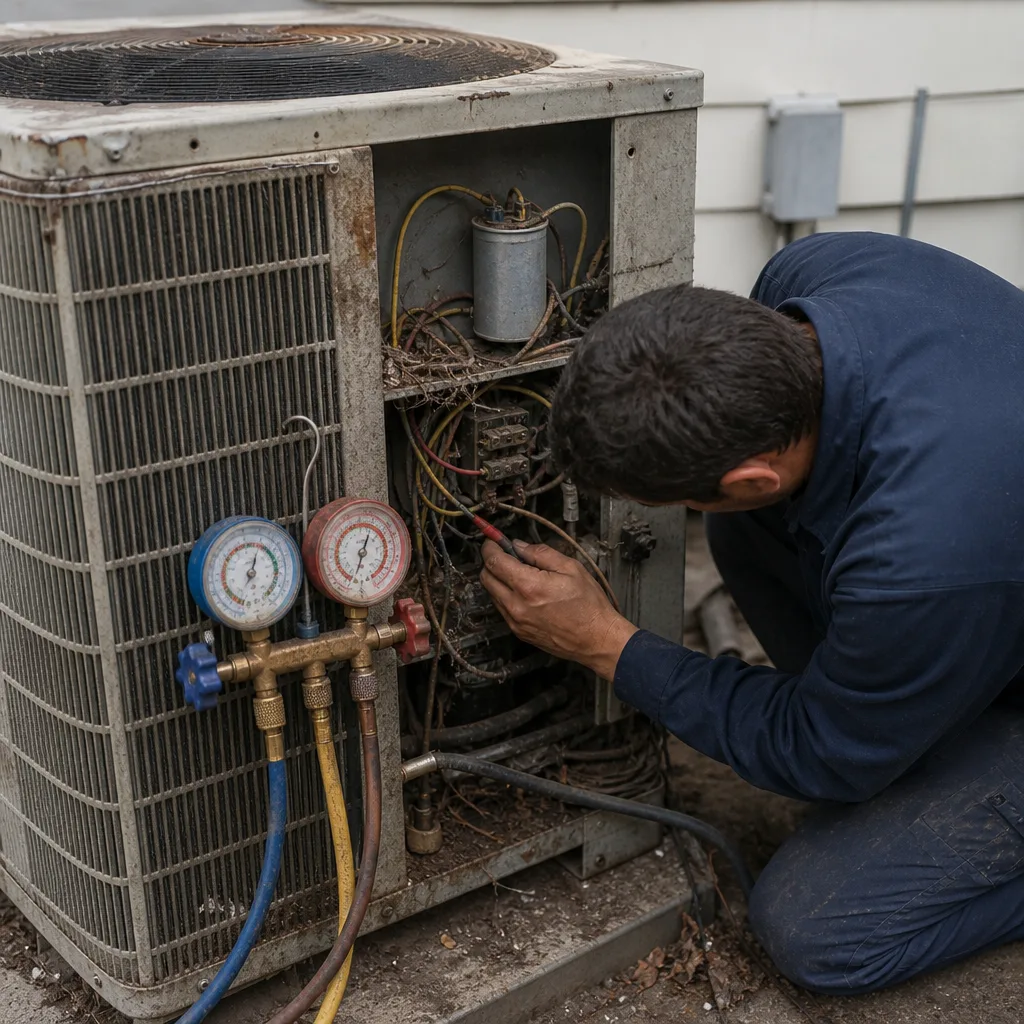 Before
 After
 Before
 After
 Before
 After
When to Call a Professional
If any of the following is true, it’s worth getting a professional involved before touching the HVAC equipment: the permit history for your property is unclear, you’re planning a furnace or AC replacement in Burbank, the existing installation predates current Title 24 requirements, a duct system is being replaced as part of a larger project, or you’re buying or selling a Burbank home and the HVAC paperwork hasn’t been verified. These are the situations where the wrong move is expensive to undo.
For AC Repair Burbank, our three core services are AC installation, furnace repair, and furnace replacement, and we routinely pull permits and coordinate inspections as part of the replacement work. Our technicians are certified to work on nine leading brands, including Carrier, Trane, Lennox, Goodman, Rheem, York, Daikin, Bryant, and American Standard, so whether your existing system is a Rheem or a newer Bryant, we’re not learning on the job with unfamiliar equipment.
AC Repair Burbank offers free estimates in Burbank. Call (844) 962-2046. We answer 24/7. Fast dispatch from 7am to 7pm, Sunday through Friday. Same-day service is often available for repairs, and for more about how we work in the area, see our Burbank page.
Frequently Asked Questions
Yes, in most cases. Replacing an air conditioner in Burbank generally requires a permit from the City of Burbank’s Building Division, including Title 24 energy compliance documentation and inspections. Very limited like-for-like replacements may have a simpler path, but that needs to be confirmed with the city before work starts. Call (844) 962-2046 for a free estimate and we’ll walk you through what your specific project requires.
The rough inspection happens before the equipment is fully closed up or connected, and it verifies that the location, routing, and electrical rough-in match the permitted design. The final inspection happens after installation and confirms that the installed equipment matches the permitted model, clearances are correct, and the system is operating properly. Both have to pass before the permit closes. Call (844) 962-2046 to talk through the inspection sequence for your project.
Sometimes. HERS verification is required based on the specific compliance path chosen in the Title 24 documentation, and it’s more commonly triggered when the furnace replacement involves duct work or a system change. A straight furnace swap without duct modification may or may not require HERS, depending on the submittal. Confirm with whoever prepares the compliance documentation. Call (844) 962-2046 for a free estimate and we’ll identify whether HERS applies to your project.
Residential HVAC permit fees in Burbank are set by the city’s fee schedule and are typically modest compared to the equipment and labor cost of the installation itself. Exact fees depend on the project scope and current schedule, and HERS testing adds a separate rater fee. The realistic comparison isn’t the permit fee versus nothing; it’s the permit fee versus the cost of retroactive permitting, which usually runs significantly higher. Call (844) 962-2046 for a free estimate on your Burbank project and we’ll outline the paperwork and fees involved.
Yes, through an as-built permit filed with the City of Burbank. The catch is that the equipment has to meet current code, which often means upgrading parts of the system that predate current Title 24 requirements. The process involves documentation, rough and final inspections, and HERS verification where applicable. Call (844) 962-2046 to talk through what an as-built permit would involve for your property.
The permit record follows the property, not the contractor, which means the homeowner carries the consequence. An unpermitted HVAC installation can complicate resale, refinance, and insurance claims, and the correction is always more expensive than the original permit would have been. Ask for the permit number before work begins and confirm it’s been filed with the City of Burbank. Call (844) 962-2046 to schedule a free estimate with a contractor who pulls permits as part of the job.
The Bottom Line
HVAC permits in Burbank are the legal record that your installation meets current code, and that record is what protects you at resale, refinance, and any future insurance claim. Most replacements require a permit, Title 24 compliance documentation, and at least a rough and final inspection, with HERS verification added on duct replacements and certain system changes. The permit fee and inspection time are small compared to the cost of re-permitting a completed installation after the fact. Work with a contractor who pulls permits in Burbank routinely, not one who treats the process as an afterthought, and keep a copy of the closed permit in your property file.
If you have questions about the permit requirements for your specific Burbank project, we’re glad to help. Call AC Repair Burbank at (844) 962-2046 for a free estimate. We answer 24/7. Fast dispatch from 7am to 7pm, Sunday through Friday.
Written by the team at AC Repair Burbank.