
Last updated November 16, 2026
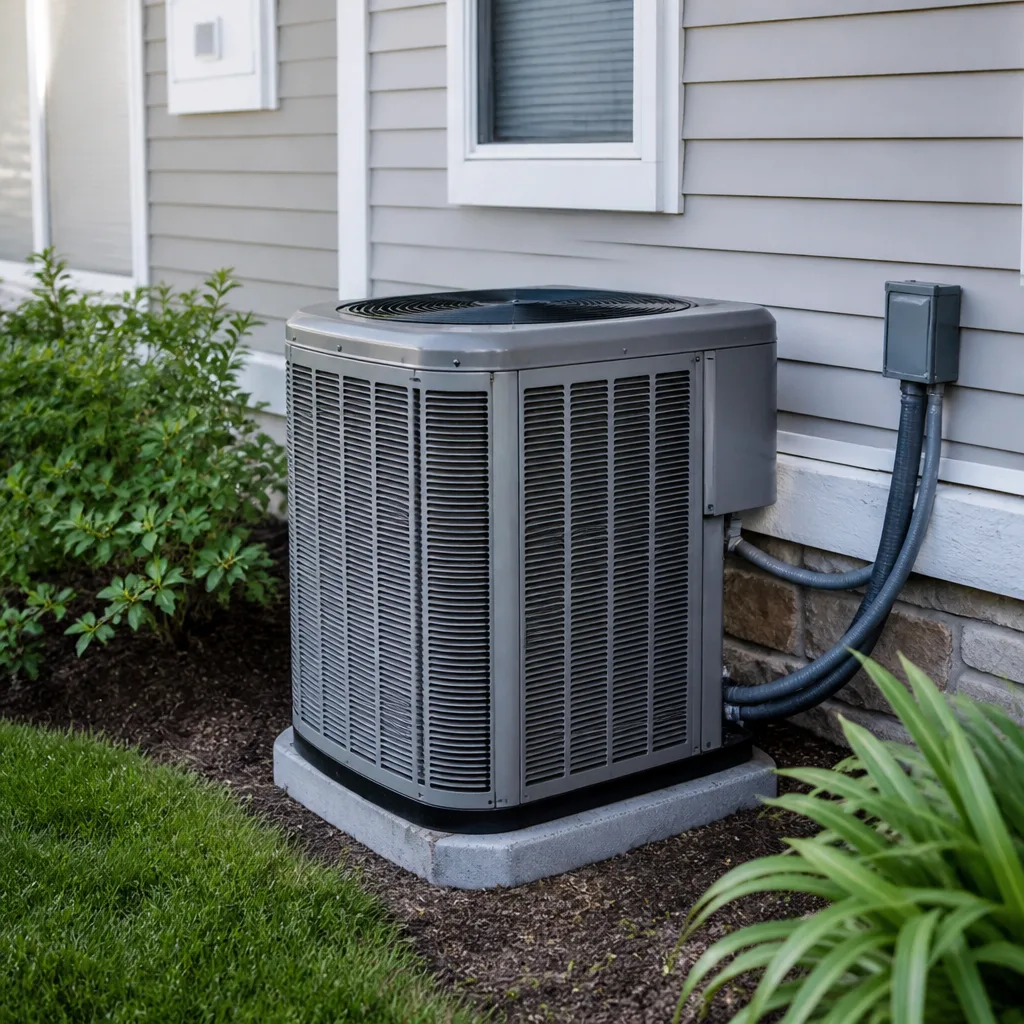 AC repair
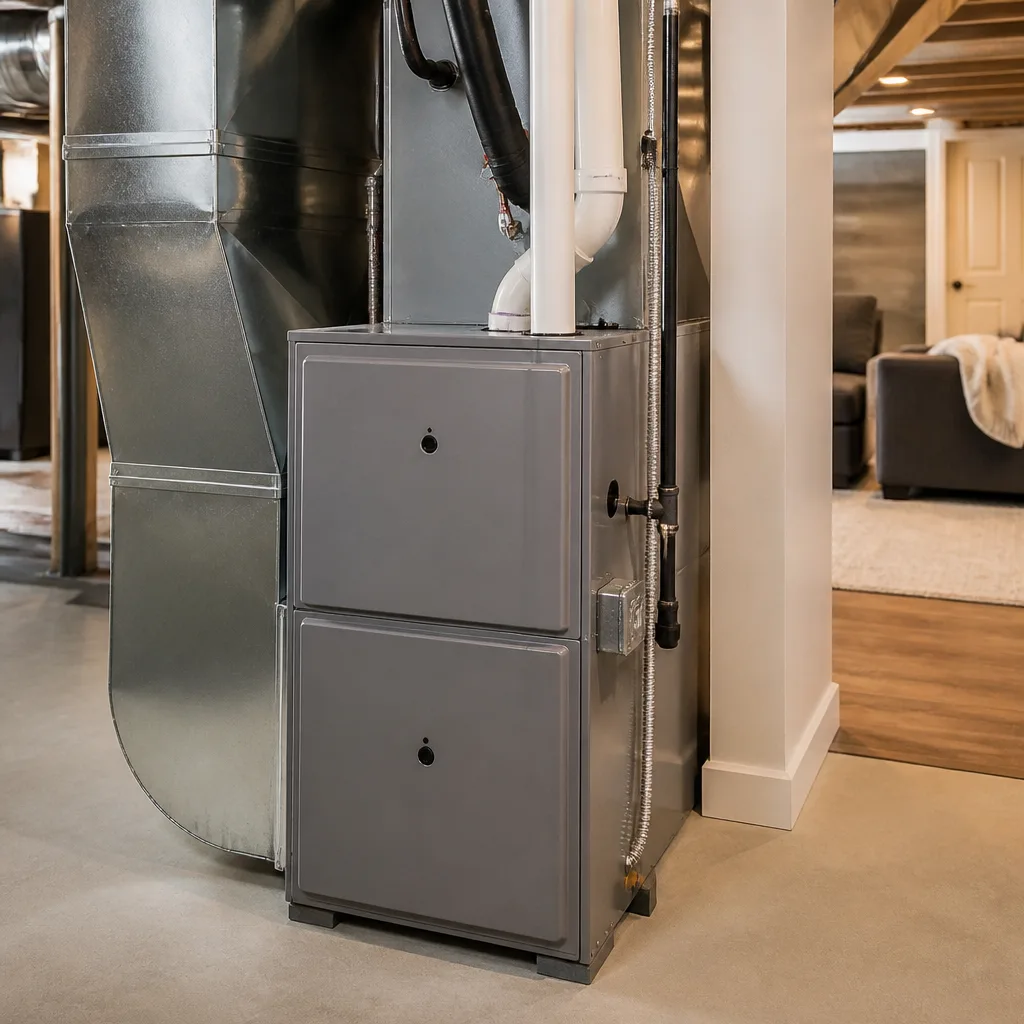 Furnace & heating
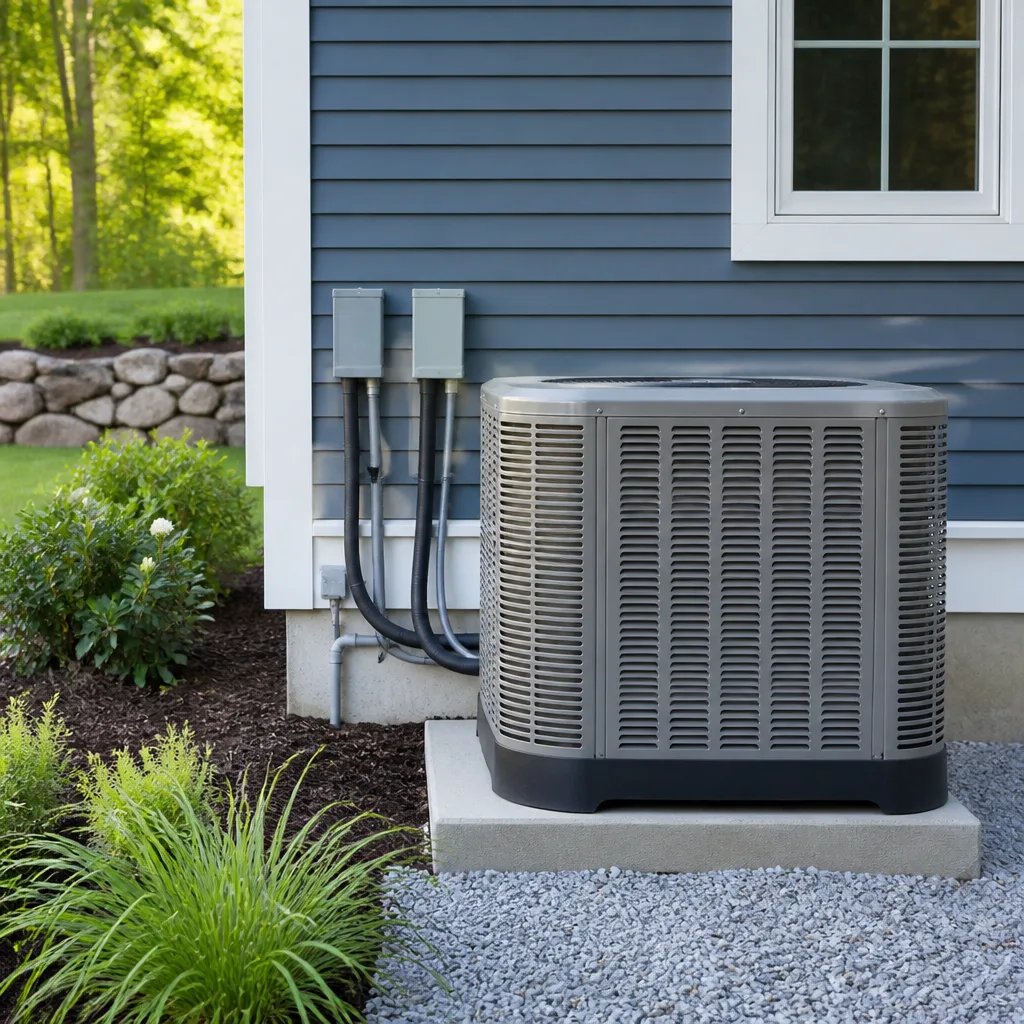 Heat pumps
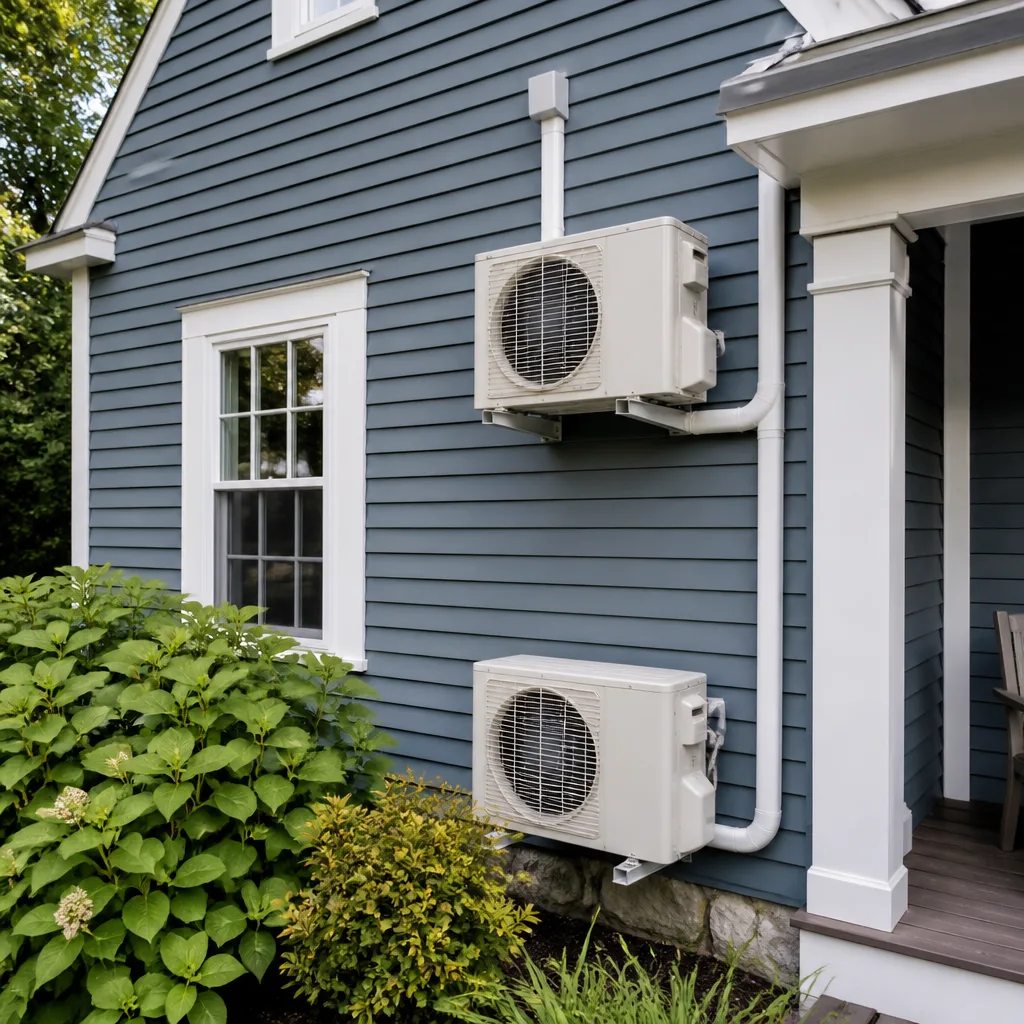 Ductless mini splits
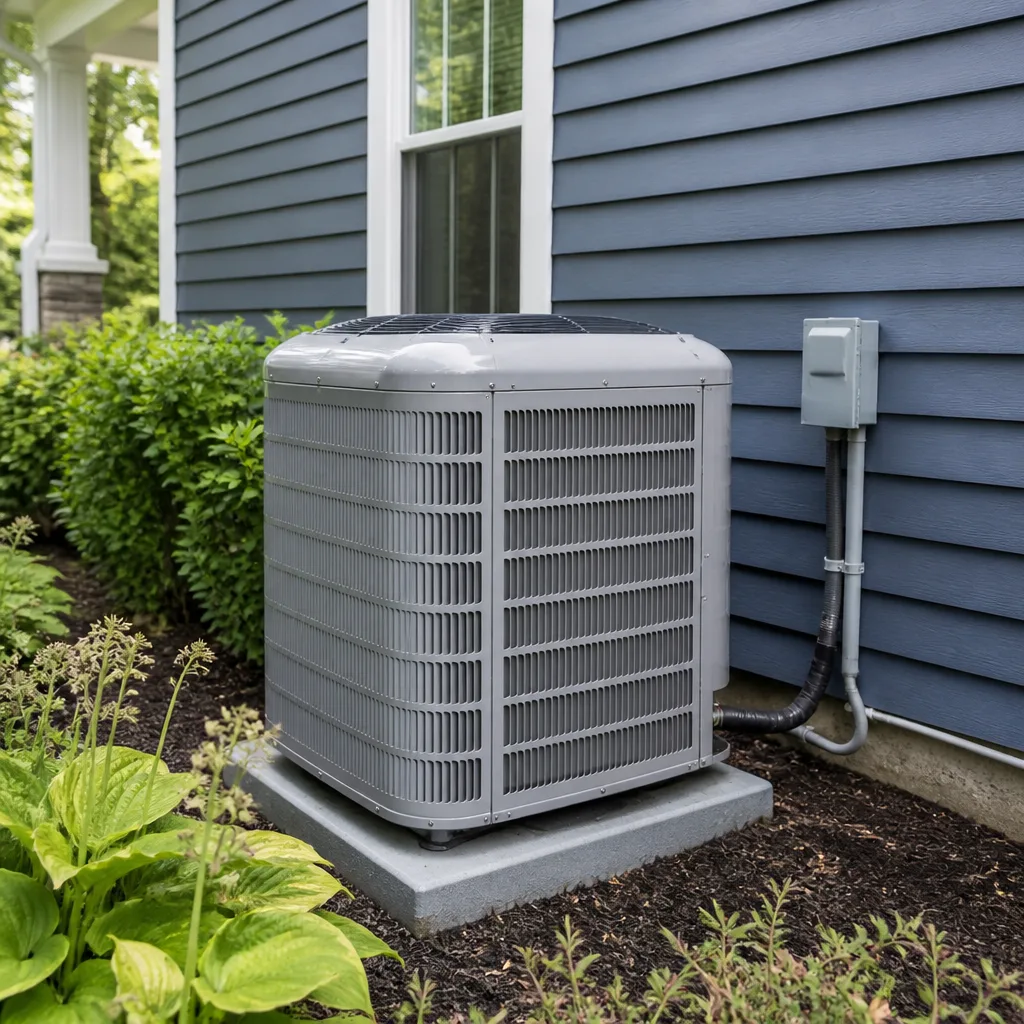 Carrier
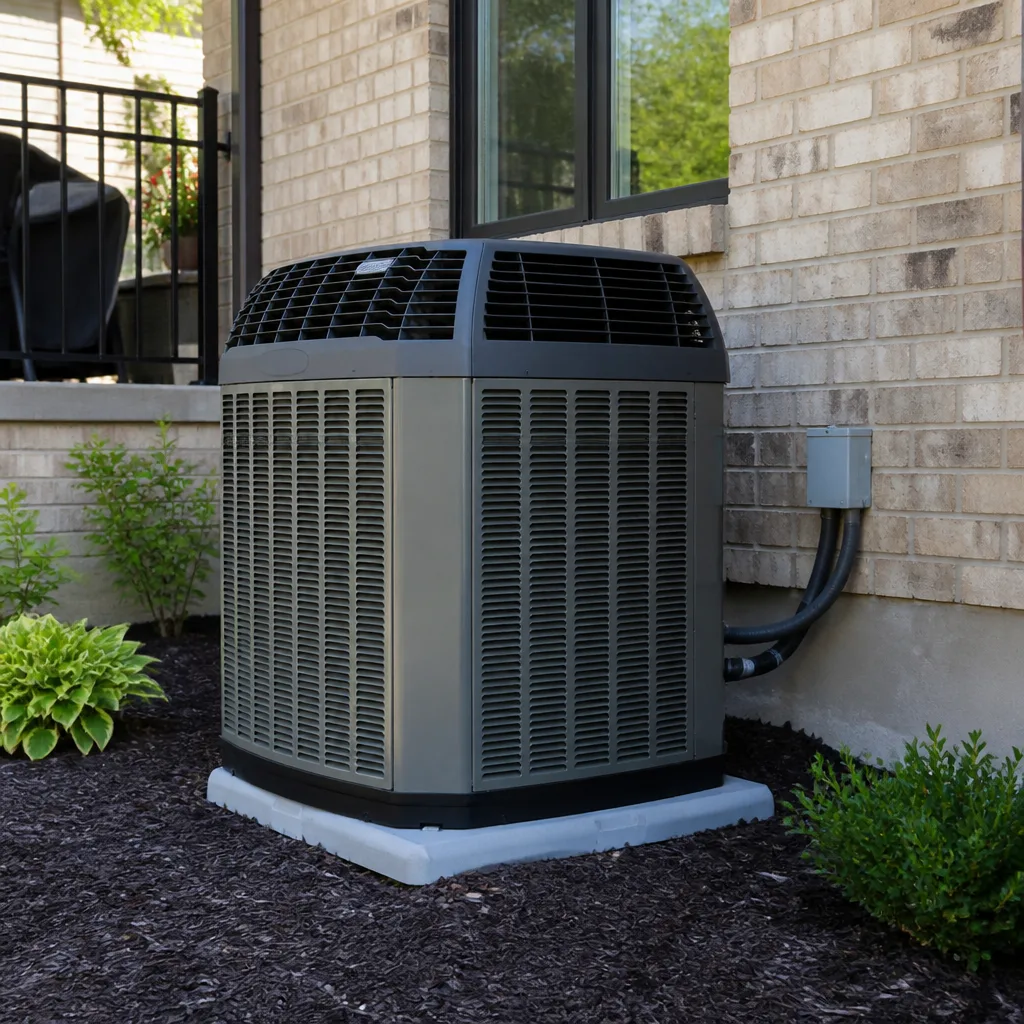 Trane
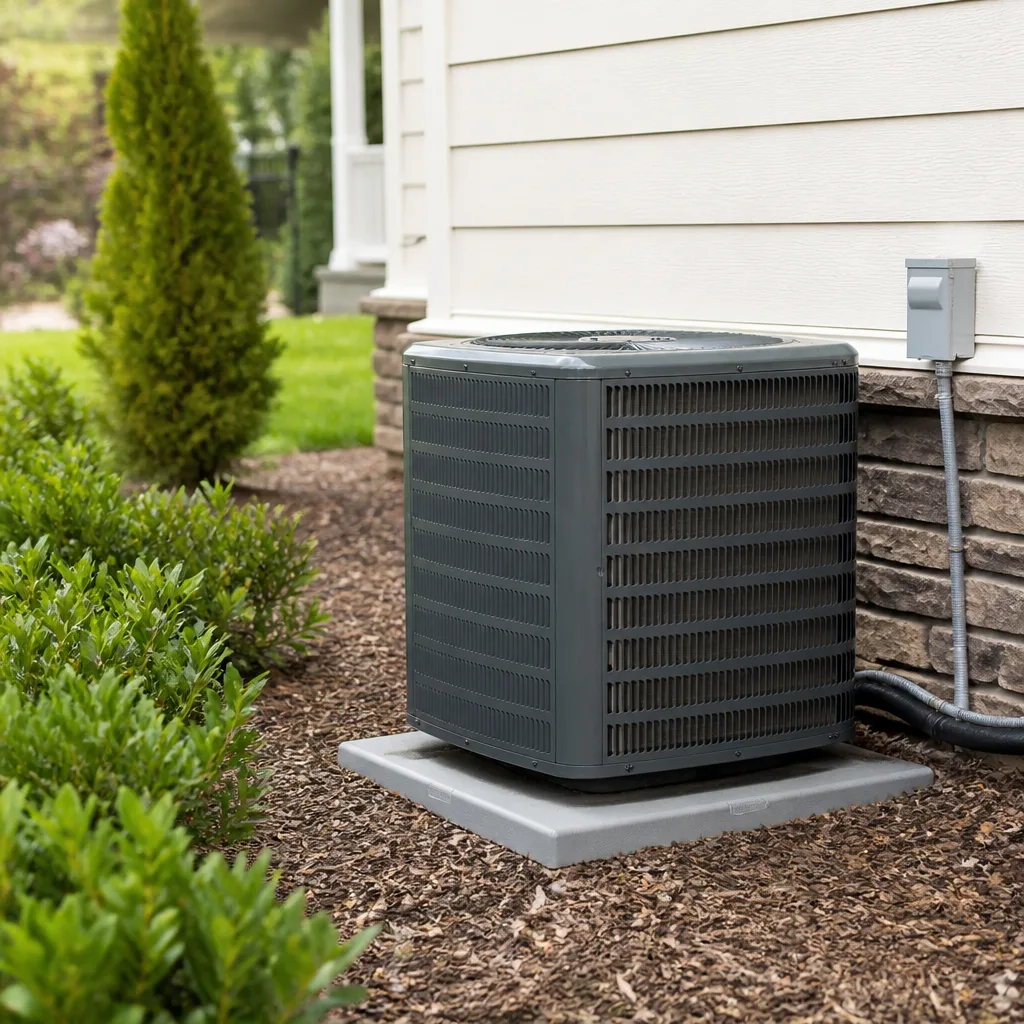 Goodman
Seasonal tune-up and full diagnostic on your Carrier, Trane, or Goodman system - readings shown to you before any repair is proposed
Diagnosis first, numbers second - you approve the repair price before a single part goes in.
Get your free estimateDIY vs Professional HVAC: The Burbank Homeowner’s Decision Guide
Most Burbank homeowners who start searching this question are thinking about money. A capacitor costs $25 at the parts house. A diagnostic visit costs more than that, so why not handle it yourself? Here’s the counterintuitive part: the cost of the part was never the real variable. The real variable is what happens when a DIY repair crosses a line you didn’t know was there. In California, some HVAC work is legally yours to do, and some of it carries license, permit, and warranty consequences that outlast any savings. This guide draws that line clearly, task by task, so you can decide with a checklist instead of a guess. We work on Burbank systems every day, and we’ve watched good intentions get expensive in ways homeowners never planned for.
Quick Answer
In Burbank, filter changes, thermostat swaps, and a condensate line flush are safe to handle yourself. Anything involving refrigerant, gas, electrical circuits, refrigerant line connections, or full equipment replacement requires an EPA-certified or C-20 licensed professional, and doing that work yourself can void manufacturer warranties, complicate a permit, and create liability in a rental property. For those tasks, the DIY savings are usually an illusion.
Styles & brands we work with
- AC repair
- Furnace & heating
- Heat pumps
- Ductless mini splits
- Carrier
- Trane
- Goodman
Table of Contents
- Where California Draws the Legal Line
- Tasks You Can Legally and Safely Do Yourself
- What a Realistic DIY Skill and Tool Assessment Looks Like
- Title 24, Burbank Permits, and the Resale Problem
- Warranty Language That Voids DIY Installation
- Three Tasks That Look DIY-Safe in Burbank’s Climate But Aren’t
- Rental Properties: A Different Liability Picture
- When to Call a Professional
Where California Draws the Legal Line
California separates HVAC work into two legal categories: what a licensed C-20 contractor can do, and what anyone else can do. The line falls on the service valve and the gas valve. On one side sits the homeowner with a screwdriver and a filter. On the other sits work that requires credentials.
The federal layer overlaps with the state layer, and it’s the one more homeowners miss. Under EPA Section 608, refrigerant handling is restricted to certified technicians. If you open a sealed system, add refrigerant, or even knowingly release refrigerant into the atmosphere, you’re operating outside federal law. Civil penalties for that are meaningful and are assessed per day per violation. That’s not a scare tactic – it’s the reason a “top-off” from a neighbor with a gauge set is a bad idea for both of you.
Burbank sits in Los Angeles County, so local permits stack on top of state and federal rules. The city’s building department reviews mechanical permits for equipment replacement, and while a permit isn’t required for a filter change, it is required for anything that touches a refrigerant circuit or a gas connection. We’re not going to write out the exact document numbers here – those change and you should confirm with the city directly – but the pattern is consistent: replacement work needs a paper trail, and that paper trail requires a license.
- EPA-certified work: refrigerant evacuation, charging, recovery, and any opening of the sealed circuit
- C-20 licensed work: installation, replacement, equipment electrical and gas hookup, permit-pulling
- Homeowner-permitted work: filter changes, low-voltage thermostat swaps, condensate line care, exterior cleaning
- Gray zone: capacitor changes and blower motor swaps – technically accessible, but the diagnosis that leads to them is the harder part
Tasks You Can Legally and Safely Do Yourself
There are real repairs a homeowner should handle in Burbank, and they save money because they prevent larger problems. The trick is knowing which is which. Here’s the honest list.
Filter changes
Every homeowner can and should change their own air filter. In Burbank, where spring pollen and summer dust both run high, a monthly inspection is worthwhile during cooling season and every other month the rest of the year. Use the filter size marked on your return-air grille or inside the cabinet door. If you’ve bought a high-MERV filter thinking it filters “better,” read the next section – it can be the silent cause of an airflow problem.
Thermostat swaps
Replacing a battery-powered or low-voltage thermostat with a like-for-like model is a reasonable DIY job. Turn off the air handler breaker first, label the wires, and photograph the old wiring before you touch anything. If you’re moving to a communicating system or a system that requires a common wire, that usually needs professional electrical work; the low-voltage run is where most DIY thermostat jobs fail.
Condensate line flush
In Burbank’s summer heat, the evaporator coil runs almost continuously, and the condensate drain is the part most likely to clog. A quarterly flush with a cup of distilled white vinegar in the drain pan, plus a check that the drain line exits fully, prevents most overflow problems. Overflow triggers float switches shut the system down, which many homeowners mistake for a capacitor failure. It usually isn’t.
Exterior unit cleaning
Rinsing the outdoor condensing coil from the inside out and clearing leaves and debris from around the unit is safe and useful. Don’t pressure-wash it. Don’t bend the fins. See the section below on why.
What a Realistic DIY Skill and Tool Assessment Looks Like
Before you decide you can do a task yourself, run through the tool checklist in your head. This separates a five-minute job from one that quietly turns into a professional call five minutes later.
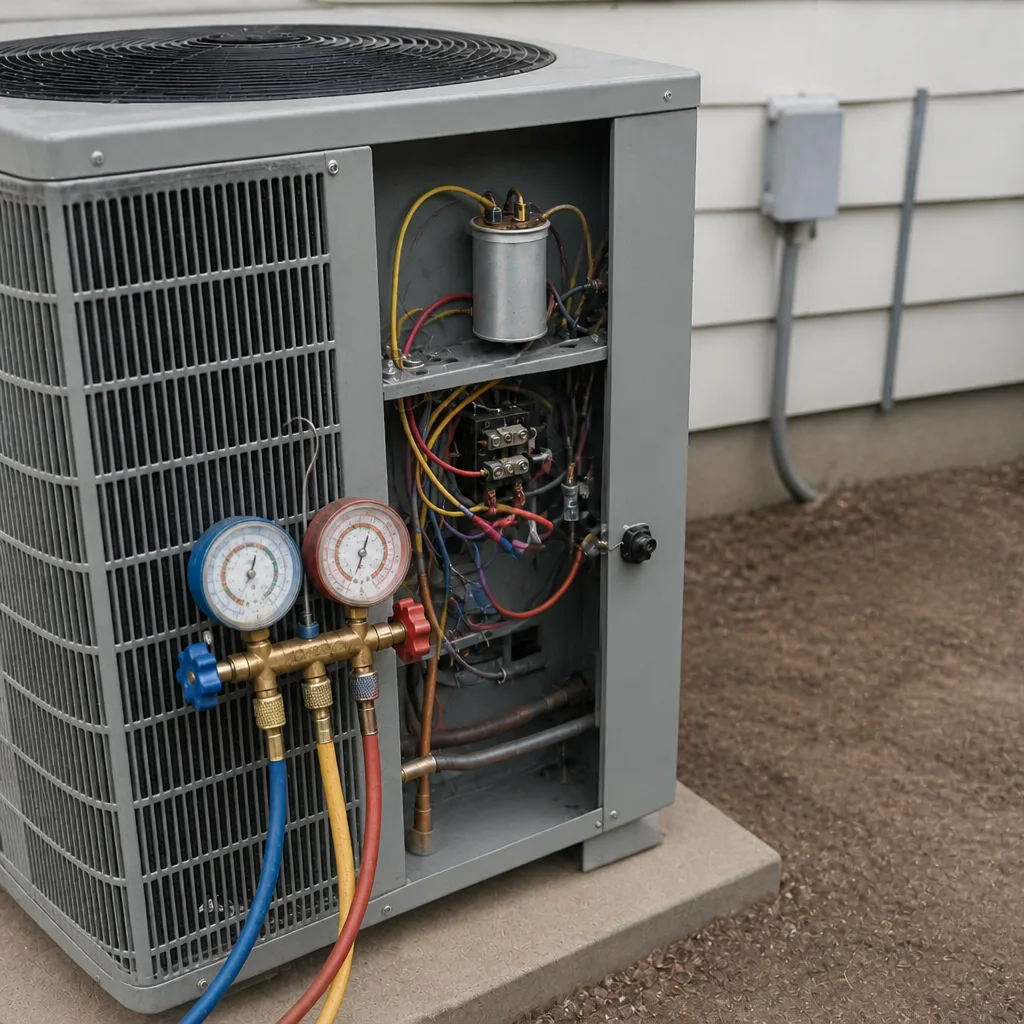
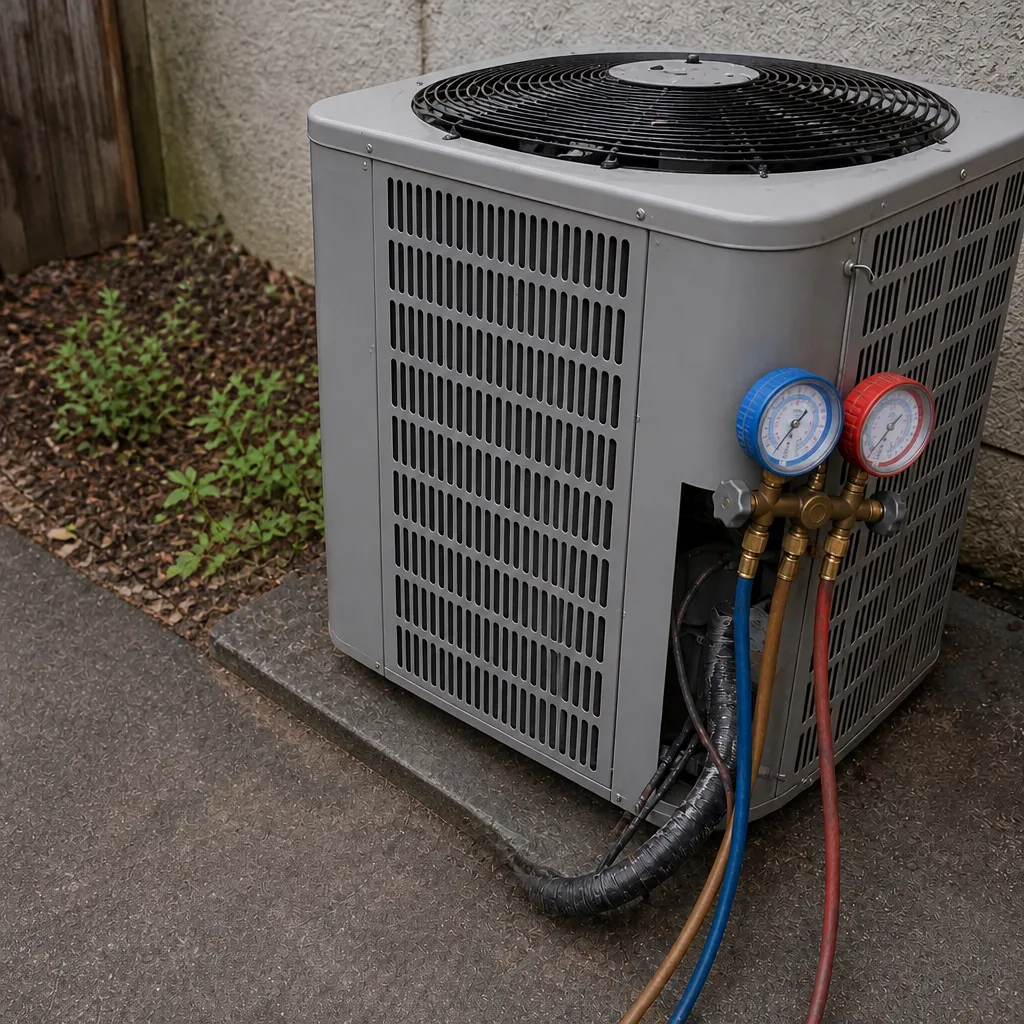
The tools a homeowner needs for the legally DIY list are modest: a screwdriver, a filter wrench if your return grille has one, a Phillips head, maybe a shop vac, and a multimeter if you plan to test thermostat wires. That’s a real set. For anything refrigerant-related, you’d need a manifold gauge set, a vacuum pump, a recovery machine, a refrigerant scale, and an EPA 608 certification to legally use them. The gear costs more than a service call before you’ve touched the system. On a Rheem, York, or Daikin split system, the sealed circuit is also where the manufacturer’s warranty sits, which we’ll cover below.
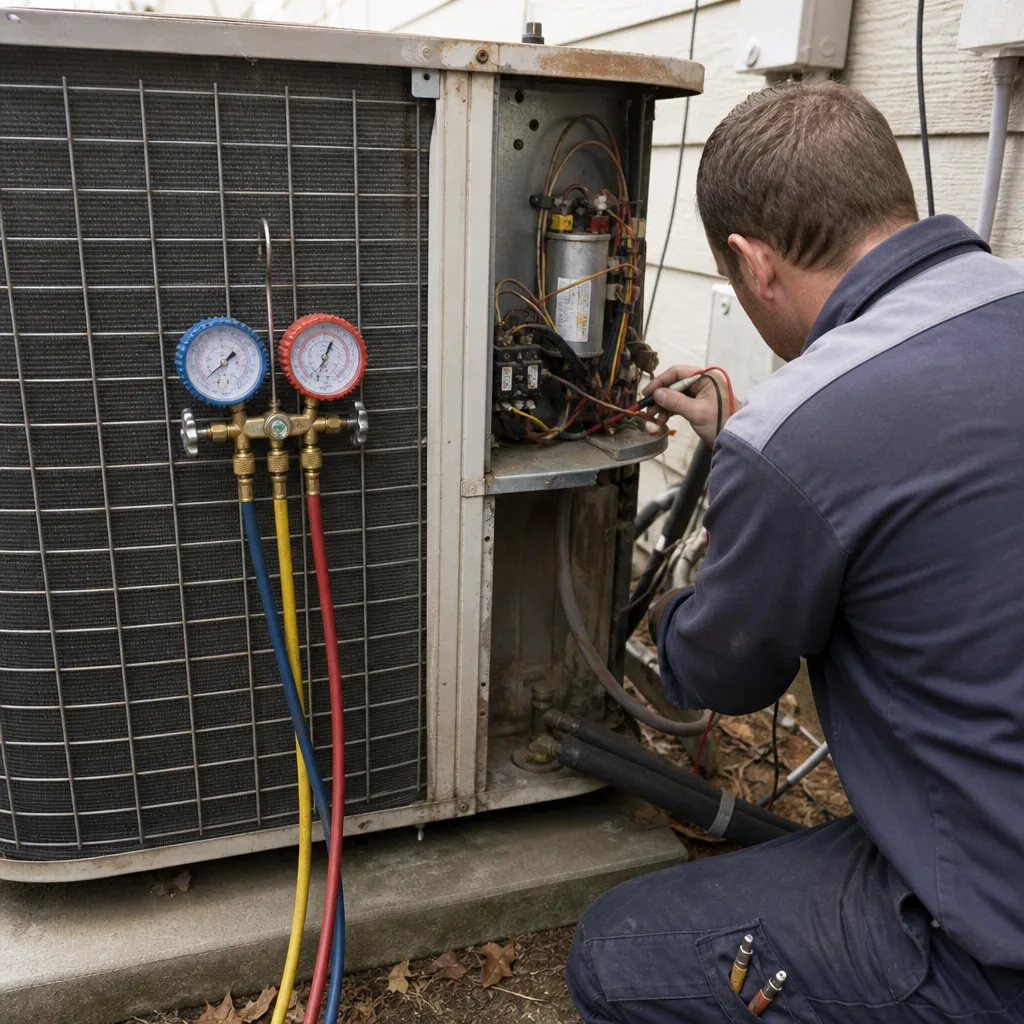
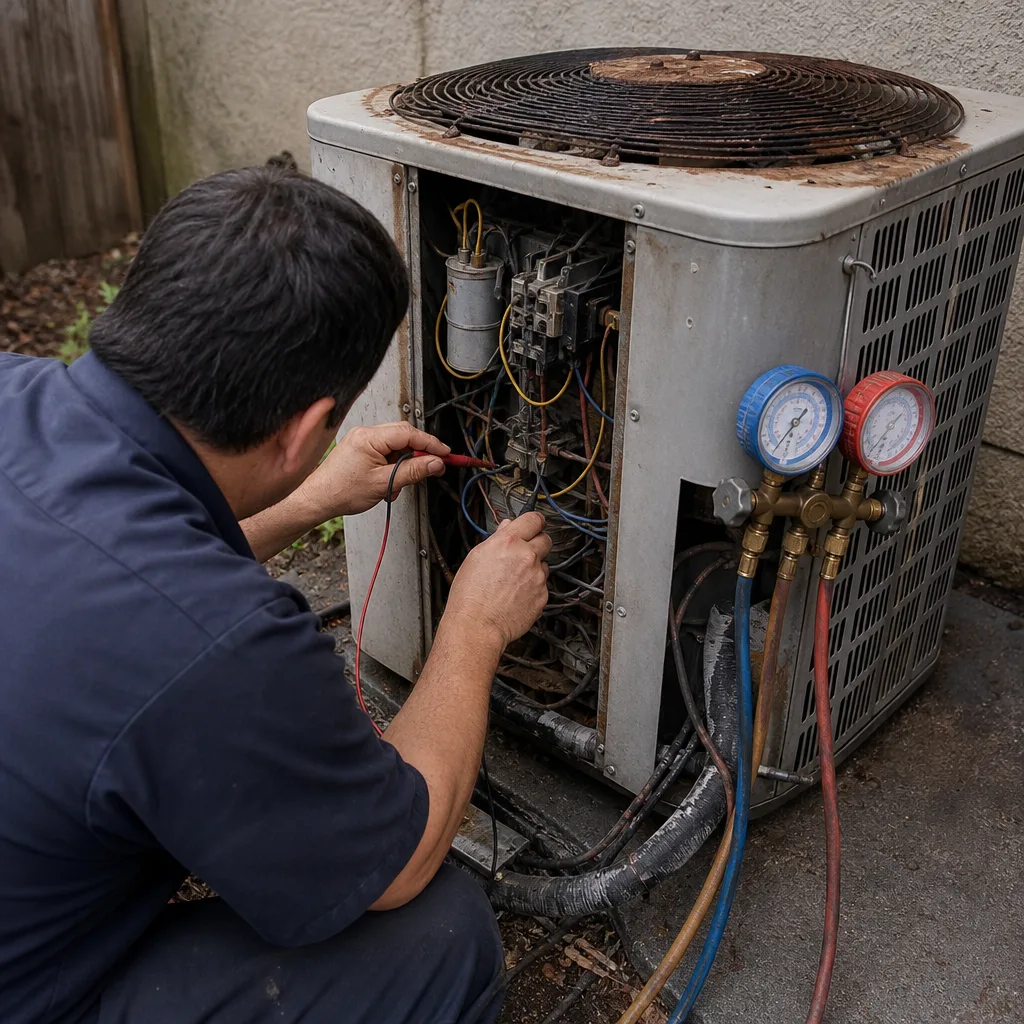
The other part of skill assessment is diagnostic confidence. A homeowner can swap a capacitor in ten minutes. Diagnosing that a capacitor is the actual problem, versus a failed blower relay, a float switch tripped by a slow drain, or a low refrigerant charge pretending to be an electrical fault, is the harder skill. We’ve walked into plenty of Burbank homes where three parts were replaced before the actual problem surfaced. The parts weren’t expensive. The time and frustration were.
- Write down your symptom in plain language: won’t cool, short-cycles, won’t turn on, runs but the air is warm.
- Check the filter condition and the outdoor unit for visible debris before assuming a mechanical failure.
- For no-cool calls in summer, look at the drain pan first – a tripped float switch is the most common false alarm.
- If the breaker is off, reset it once and not repeatedly; a breaker that trips twice is telling you something.
- If the diagnosis points anywhere near refrigerant or a compressor, stop and call a certified technician.
For a repair as contained as a furnace repair or an emergency no-heat call in December, the diagnostic side is where most of the value sits, and where DIY confidence tends to crack.
Title 24, Burbank Permits, and the Resale Problem
California Title 24 sets energy-efficiency standards for HVAC equipment and system design – it governs the efficiency of the equipment installed, the design of the distribution system, and in many cases the requirement for diagnostics on minor alterations. When a homeowner replaces a system themselves without permits, the equipment may be efficient, but the documentation that proves it isn’t there. That gap is a paper problem as much as a mechanical one.
Burbank sits inside Los Angeles County, and like most cities in the county, the building department requires a mechanical permit for a system changeout. Permits are pulled against a contractor’s license. When a homeowner pulls one as an owner-builder, the scope is limited, and then the compounding problem starts: does the equipment meet Title 24 for that specific alteration? Was the refrigerant circuit evacuated and charged to the manufacturer’s factory spec? Was ductwork sealed and tested where required? Any of those answers being “no” turns into a conversation at resale.
Burbank’s housing stock adds its own wrinkle. Much of the city is postwar bungalows and mid-century homes, and a lot of them have had additions or system modifications that were not documented. When you list a home with an undocumented HVAC changeout, the buyer’s inspector will note it, the appraiser may flag it, and the lender may ask questions. A permit pulled at the time of the work is a line item. A permit issue at resale is a negotiation. We’re not the people to ask about real estate disclosure – that’s for your agent – but we can tell you that a homeowner handling this side of an installation gets a hard lesson in how paperwork travels.
If any of this is starting to sound familiar, the conversation to have is about AC installation done with permits and documentation from the start. It’s a different conversation than a repair, and worth having before a project becomes urgent.
Warranty Language That Voids DIY Installation
Here’s the part of the DIY calculation most homeowners skip. Major HVAC manufacturers write their warranty terms around professional installation. Carrier, Trane, Lennox, and Rheem all tie their equipment warranty to installation by a licensed contractor. The exact clause is not identical across brands, but the pattern is: covered parts, not labor, and coverage that depends on the installation having been performed to manufacturer specification by a qualified installer.
The critical word is “qualified.” A homeowner installing their own equipment is usually not qualified in the manufacturer’s sense, and the manufacturer has the right to deny a claim when that’s the case. Even a warranty-preserving “self-install” clause, where one exists, tends to require a licensed contractor to at minimum commission and verify the system before the manufacturer will honor coverage for parts. What that means in practice: if the compressor fails in year six of a ten-year parts warranty and the equipment was self-installed, the claim can be denied, and the cost of that compressor may be more than the entire DIY savings.
The same logic applies to the refrigerant circuit. If a sealed system was opened by a non-certified person, the manufacturer can decline coverage based on violation of the installation standards and refrigerant handling requirements. We work on Bryant, Rheem, and York systems regularly, and the warranty expectation from the factory side is consistent across them: install to spec, or lose coverage.
- Parts warranty: typically conditional on professional installation to manufacturer spec
- Labor warranty: usually tied to the installing contractor, not transferable to a self-install
- Compressor warranty: the highest-value item on the equipment, and the most likely to be denied if installation was DIY
- Refrigerant circuit: opening it outside EPA certification is itself a warranty problem, separate from any mechanical failure
Three Tasks That Look DIY-Safe in Burbank’s Climate But Aren’t
The Burbank climate is specific: hot, dry summers that push cooling systems hard, mild winters that get cold enough to matter, and a housing stock where equipment often sits close to a fence or wall. That combination produces three common DIY miscalculations.
Oversized filter restrictions
A high-MERV filter traps more particles, and it also restricts airflow. In Burbank’s dry summer, the system runs long cycles, and a filter that’s too dense for the return duct drops airflow across the evaporator coil. The ice that forms on the coil looks like a refrigerant problem. It’s often a filter problem. A homeowner who chases it as a refrigerant issue will pay for a diagnostic that finds a filter. Fitting the right filter for your duct design is a small, specific decision, and it’s worth getting right once.
Compressed-fin coil cleaning
Outdoor coils are made of thin aluminum fins. High-pressure water, or a garden hose held too close, bends those fins flat. When that happens, the airflow through the coil drops, the system works harder in the heat, and the fix is either fin-straightening tools or a coil replacement. Rinse low-pressure from the inside out, and don’t scrub. If the coil is visibly packed with debris, that’s a job for a technician who can pull the fan and clean behind it, not a homeowner with a hose.
Thermostat low-voltage wiring errors
Low-voltage thermostat wiring is where most DIY thermostat replacements go wrong. On a heat pump or a two-stage system, the wiring is not just R, W, Y, G. The common wire, the O/B reversing valve wire, and the auxiliary heat wire all need to land correctly, and a miswire can cause the compressor to run in the wrong mode, or worse, cause a short that damages the control board. We’ve seen this on systems that looked simple at the thermostat face and weren’t. If you have a heat pump or a dual-fuel system, this is one to leave to a technician.
Rental Properties: A Different Liability Picture
If you own a rental property in Burbank, the DIY calculation tilts heavily toward professional work. California’s habitability standards put the responsibility for a functioning heating system on the landlord, and a system repaired by a non-licensed person creates a paper trail that can be used against you if a tenant disputes habitability. A permit-pulled installation by a licensed contractor is a legal record. A DIY capacitor change and a self-installed thermostat are, from a liability standpoint, invisible.
The other consideration is the tenant’s experience. A system that fails in July is uncomfortable for the tenant and expensive for you when the emergency call is on a Sunday. Having a licensed technician with credentials on record tends to speed up the repair and document the resolution. That documentation is worth more than the margin between a DIY repair and a professional one, and it protects the property’s value in the long run.
This is the reason we work on the system that’s already in your Burbank rental, whatever brand it is. We’re not here to push a replacement onto a Rheem unit that just needs a proper repair. Whether it needs a repair or a full replacement, we’ll tell you which one actually makes sense.
Common Mistakes to Avoid
- Buying a capacitor off the internet without matching microfarads. A capacitor with the wrong rating stresses the motor and can fail within weeks. Match the printed value, or have a technician confirm the correct spec first.
- Adding refrigerant yourself from a can. Beyond the EPA problem, top-offs from cans mix in air and moisture that damage the compressor over time. If the system is low, it’s leaking, and the leak is the problem to solve.
- Resetting a tripped breaker more than once. A breaker that trips twice is telling you there’s a real fault. Repeated resets can damage the compressor and the contactor.
- Assuming a stopped system is a mechanical failure. In Burbank, the float switch on the drain pan trips more often than the capacitor fails. Check the pan and the filter before assuming a mechanical problem.
- Self-installing a system and pulling an owner-builder permit without confirming Title 24 compliance. The efficiency standard applies to the alteration, and a self-install that misses it creates a resale problem, not just a mechanical one.
- Doing a DIY thermostat swap on a heat pump without labeling the wiring. Low-voltage mistakes damage control boards, and a control board replacement costs more than the professional thermostat install would have.
- Pressure-washing the outdoor coil. The fins are soft aluminum. High pressure flattens them, airflow drops, and the fix is more expensive than the cleaning.
When to Call a Professional
Call a professional when the task is anything on the refrigerant or electrical side, when the diagnosis is unclear, or when you own a rental property and the paperwork matters. Those are the three reasons that override the DIY impulse every time.
The specific scenarios are worth spelling out. A system that won’t cool in July and passes basic filter and float-switch checks. A furnace that ignites and then shuts off repeatedly. A thermostat replacement on a heat pump or dual-fuel system. Any system that’s tripped a breaker more than once. Any changeout that requires a permit. Any installation where the manufacturer’s warranty is on the line. And any situation where you’ve replaced three parts and the problem is still there – that’s a diagnostic problem, and it’s the kind that gets worse with more parts.
AC Repair Burbank offers free estimates in Burbank, and if you’re weighing a repair against a replacement we’ll tell you which one actually makes sense. Call (844) 962-2046 to schedule. We work on the system you already have – Carrier, Trane, Lennox, Goodman, Rheem, York, Daikin, Bryant, and American Standard – and our technicians have up to experience with each of those brands. Whether you’re in the Rancho neighborhood or up near the hills, the same welcome applies.
Frequently Asked Questions
Yes, low-voltage thermostat replacement is not restricted by California HVAC licensing, and it does not require a permit. If your system is a heat pump or dual-fuel system, or if the new thermostat requires a common wire that isn’t there, a technician should do it to avoid damage to the control board. For those setups, call (844) 962-2046 and we’ll take a look.
Refrigerant handling requires EPA Section 608 certification, and installation or replacement of HVAC equipment requires a C-20 licensed contractor. That covers charging, evacuation, opening the sealed circuit, pulling permits for changeouts, and anything else that touches the refrigerant or gas side. Diagnostics and permitted replacements are a licensed professional’s job in Burbank. Call (844) 962-2046 for a free estimate if you’re not sure which side your task falls on.
It can, and often does. Carrier, Trane, Lennox, and Rheem all tie parts coverage to installation by a qualified professional, and a self-install or a DIY refrigerant intervention gives the manufacturer grounds to deny a claim. The parts themselves are usually the smaller expense next to a compressor. If a claim is at risk, call (844) 962-2046 for an estimate before the warranty window closes.
Yes, system changeouts in Burbank require a mechanical permit from the city’s building department, and the permit is pulled against a licensed contractor. Owner-builder permits exist, but they carry Title 24 compliance requirements and produce a paper trail that gets scrutinized at resale. Ask your city’s building department to confirm the specific requirements for your address, and call (844) 962-2046 if you’d like to talk through what a permitted replacement involves.
Check the filter, look at the condensate pan and drain line, confirm the breaker wasn’t tripped, and note whether the outdoor unit fan runs. That’s the safe list. Anything further, especially anything involving refrigerant pressure or the sealed circuit, is not a DIY diagnostic. Call (844) 962-2046 for a free estimate if the basic checks don’t explain the problem – we answer 24/7, and dispatch runs 7am to 7pm, Sunday through Friday.
It depends on the age, the refrigerant type, and whether the failure is in the sealed circuit. A capacitor, a blower motor, or a control board is usually worth repairing. A failed compressor on a system running an older refrigerant is often better replaced, especially when Title 24 efficiency standards would apply to a new install anyway. Call (844) 962-2046 for a free estimate, and we’ll give you a straight comparison rather than a push in one direction.
See the difference
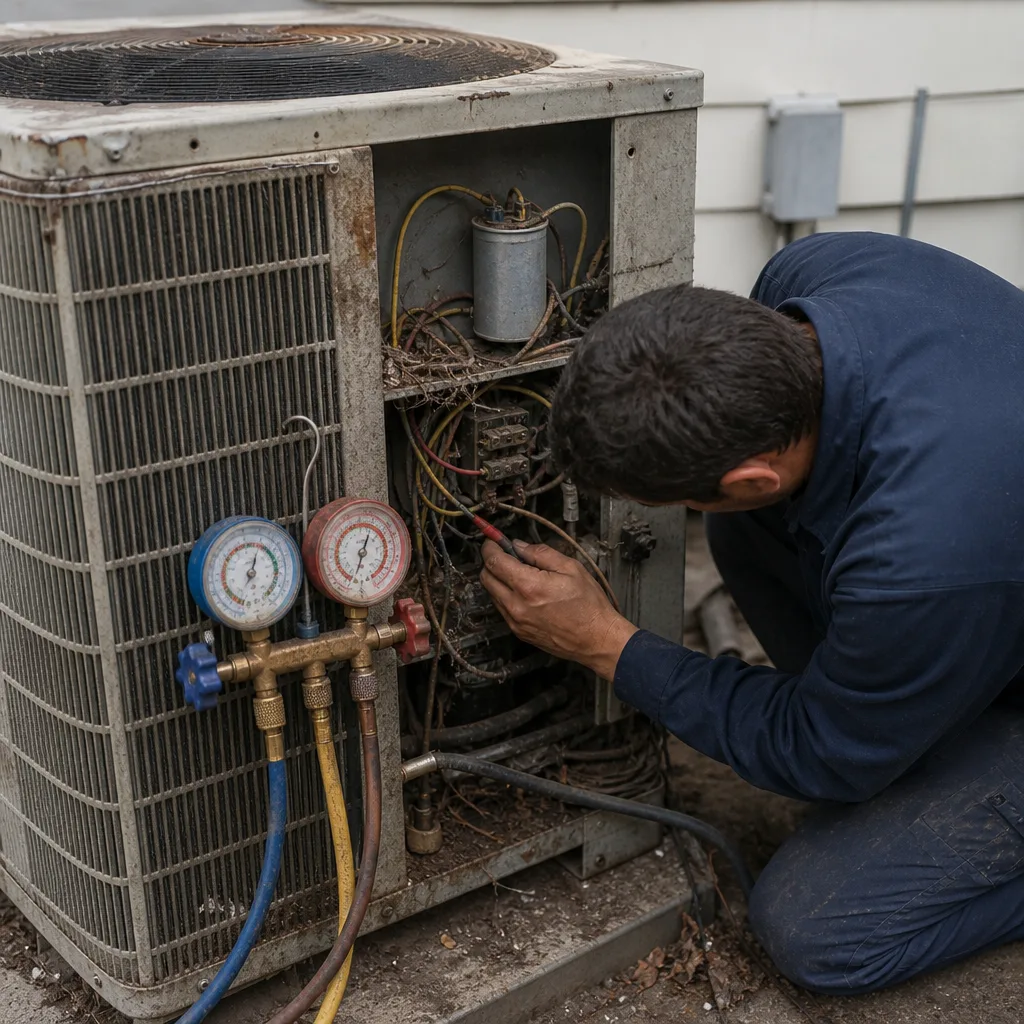 Before
 After
 Before
 After
 Before
 After
The Bottom Line
The DIY versus professional question is less about skill than about the legal and warranty consequences of crossing the wrong line. In Burbank, filter changes, thermostat swaps, condensate flushes, and exterior cleaning are yours. Refrigerant work, gas and electrical work, and equipment replacement belong to an EPA-certified, C-20 licensed professional – not because homeowners can’t learn the mechanics, but because the permit, Title 24, and manufacturer warranty layers make DIY expensive in ways that don’t appear on the parts receipt. Our advice is simple: do the safe tasks, know where the line is, and get a professional diagnosis when the symptom doesn’t match a simple cause.
Contact
If you’re weighing a repair, a replacement, or a second opinion on a system someone else quoted, we can help. AC Repair Burbank handles heating and cooling, nothing else – no plumbing, no electrical, no generalist scope. Call (844) 962-2046 for a free estimate. We answer 24/7. Fast dispatch from 7am to 7pm, Sunday through Friday. Wherever you are in Burbank, from the Rancho district to the streets near the airport, you’ll get a technician who knows the equipment in your home and a straight answer about what it needs.
Learn more about what we do on the AC Repair Burbank page, or browse the Burbank service area to see what’s involved in a typical visit.
Written by the team at AC Repair Burbank.