
Last updated November 16, 2026
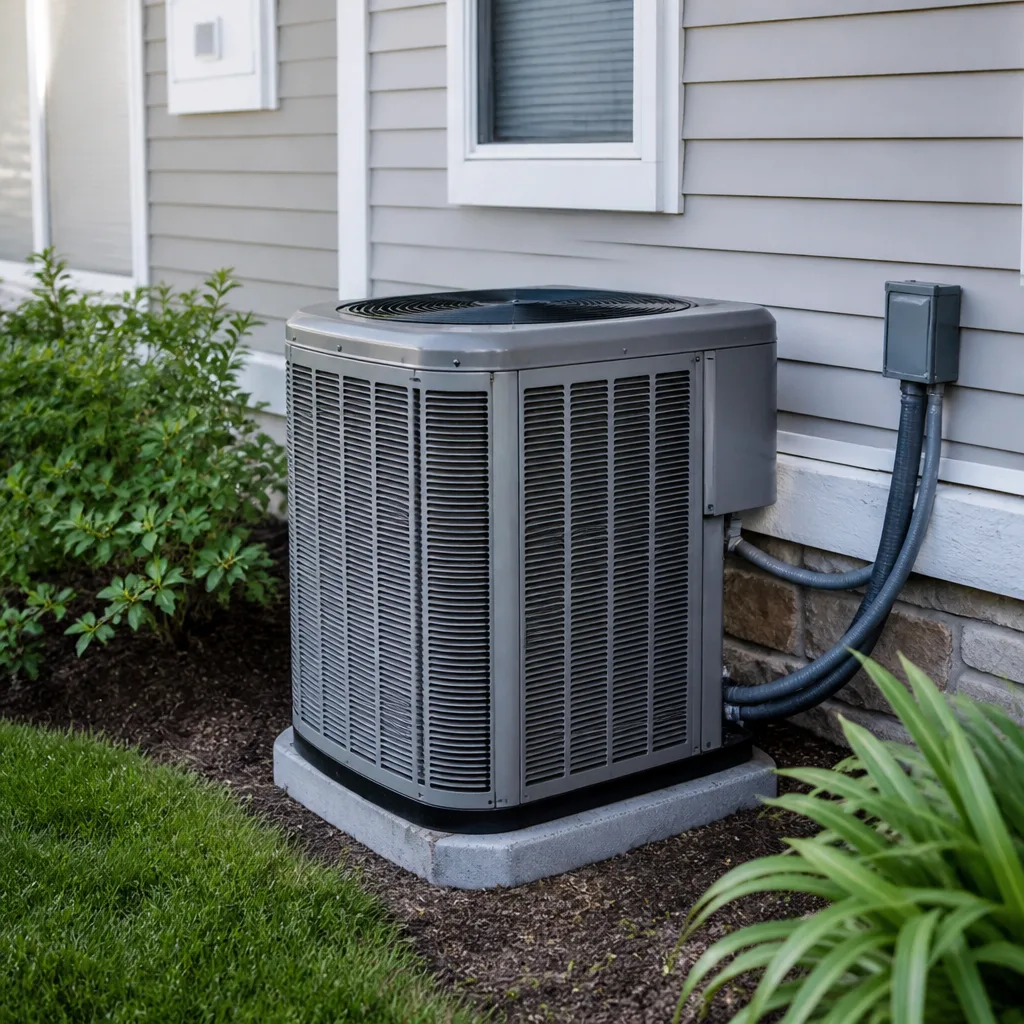 AC repair
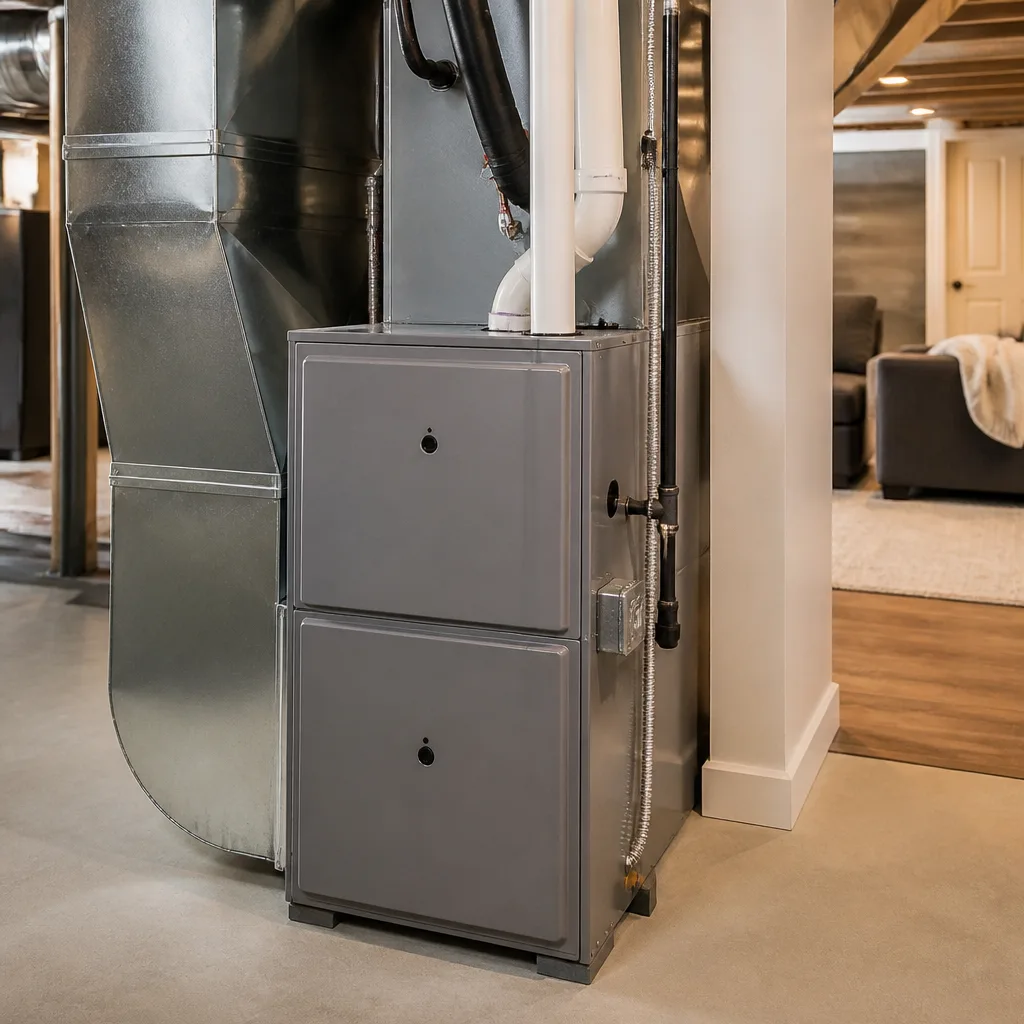 Furnace & heating
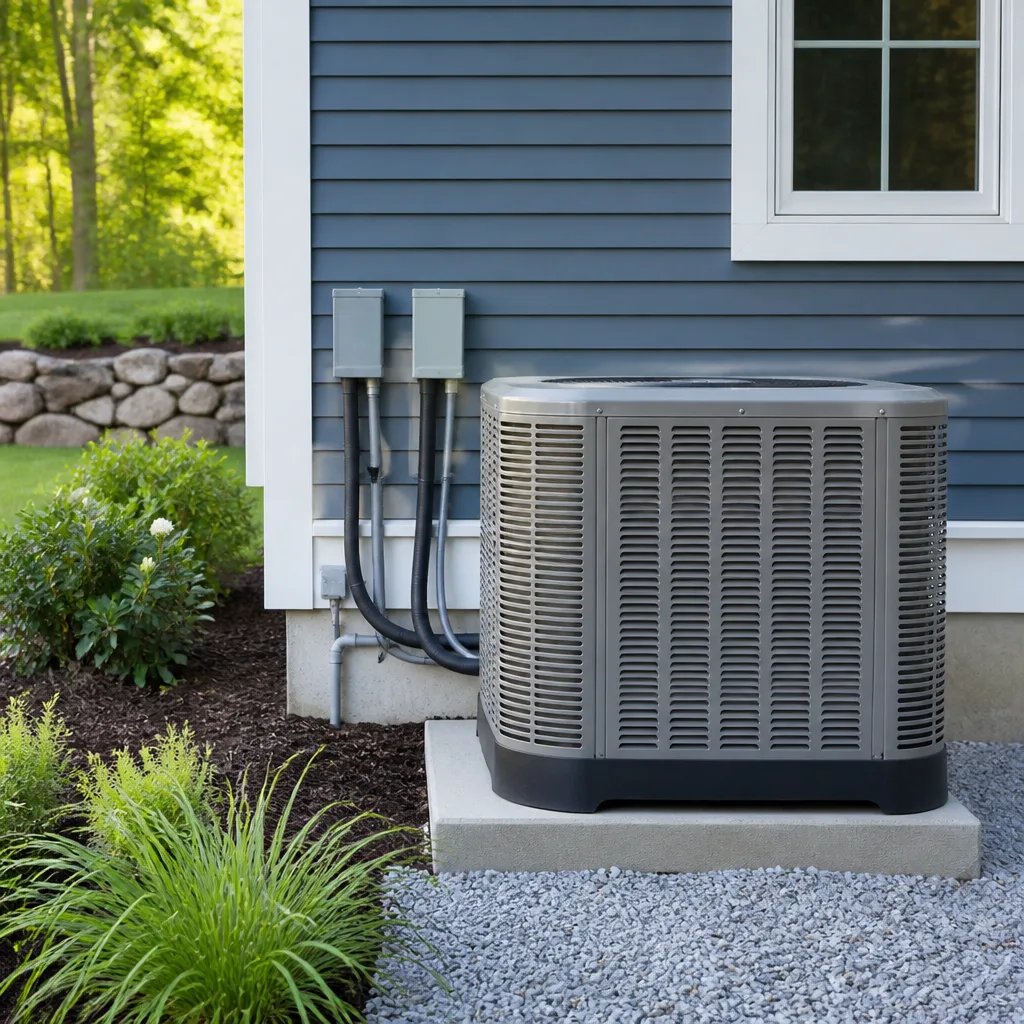 Heat pumps
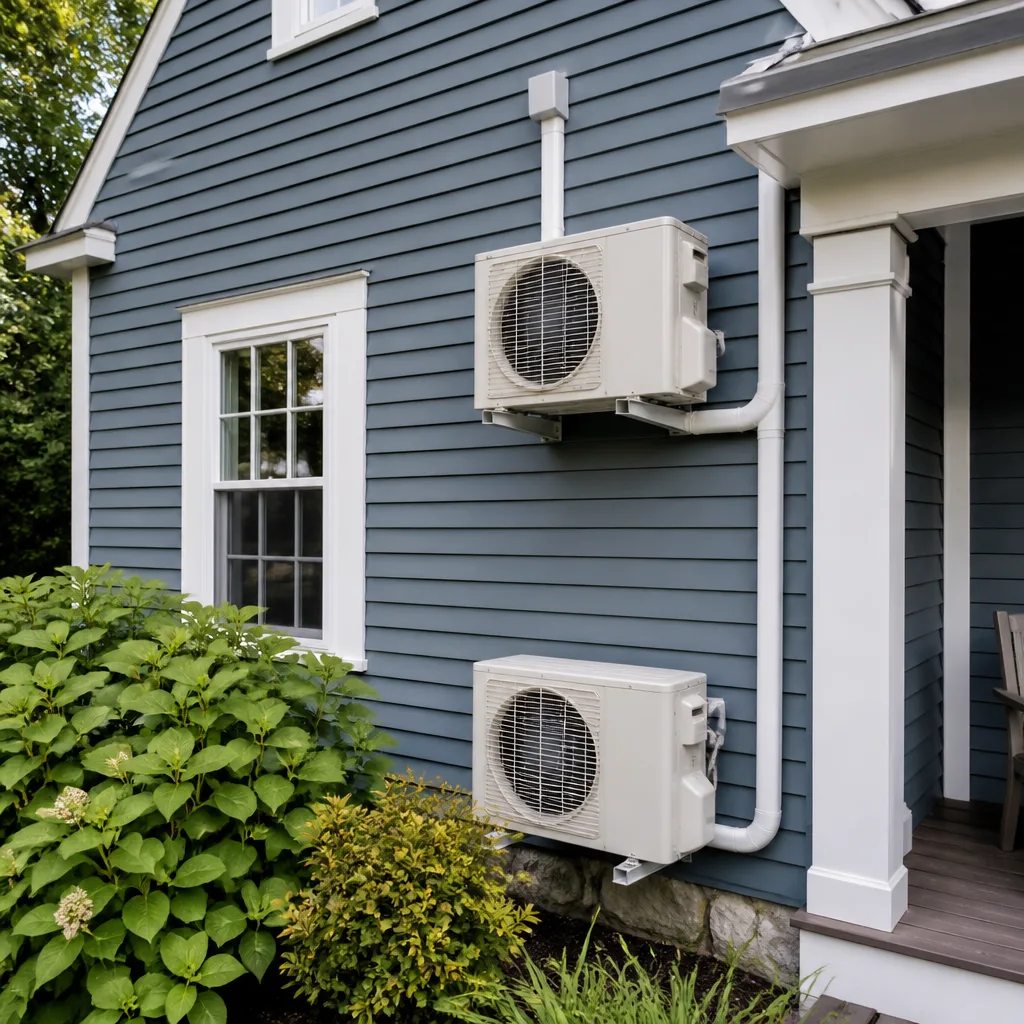 Ductless mini splits
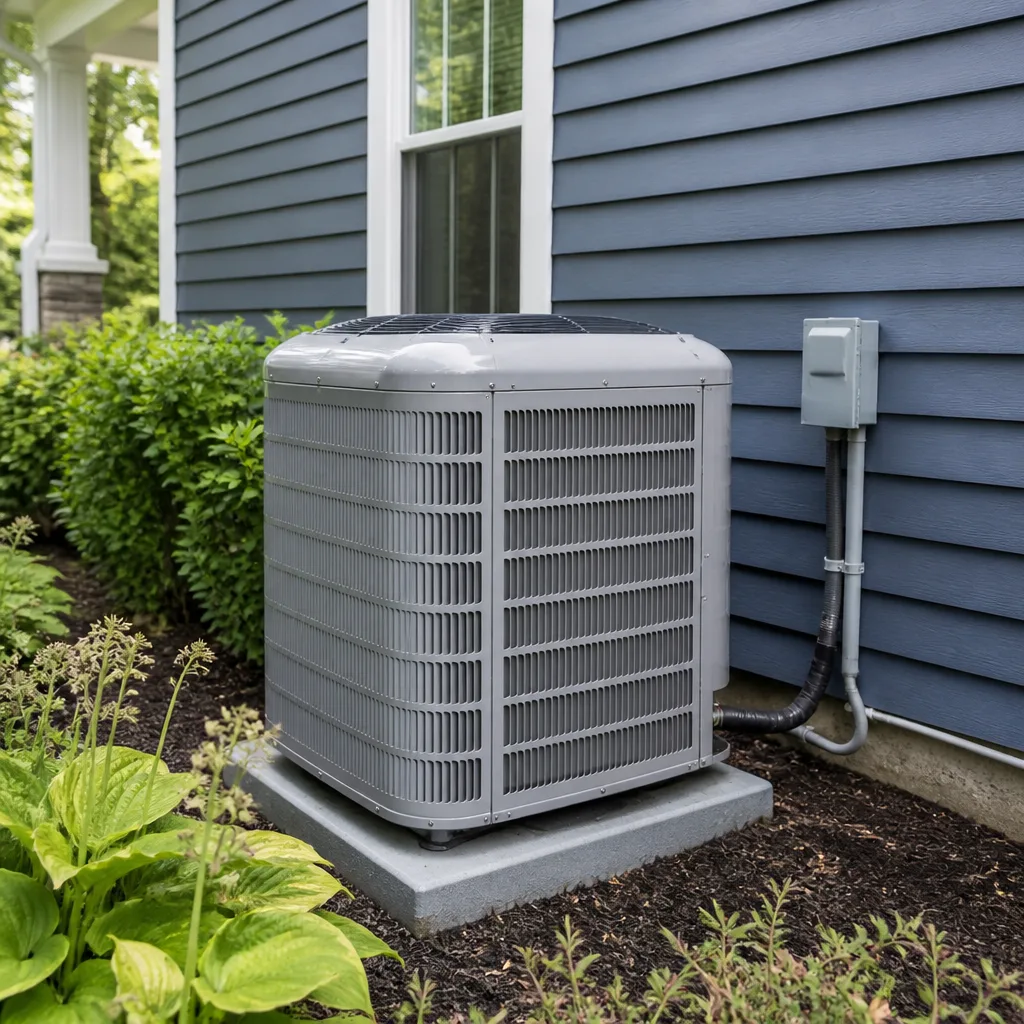 Carrier
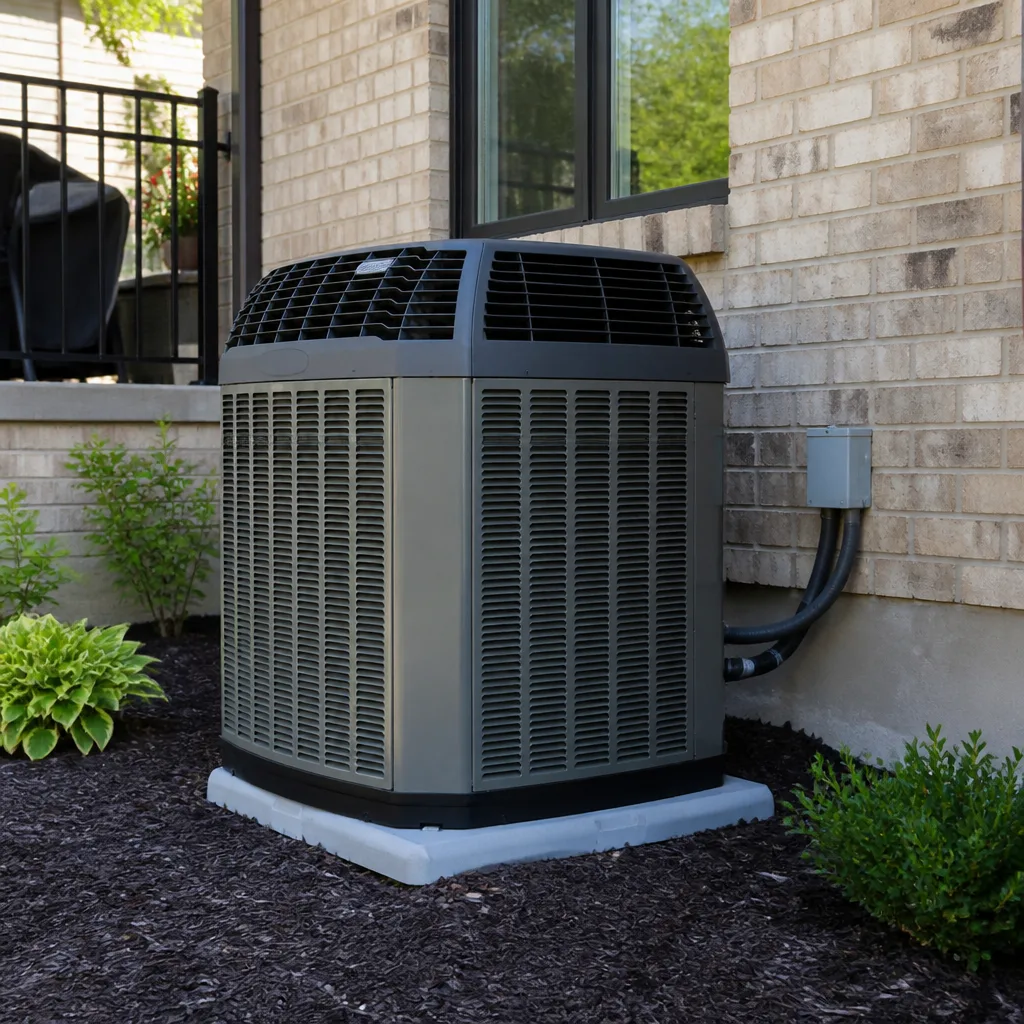 Trane
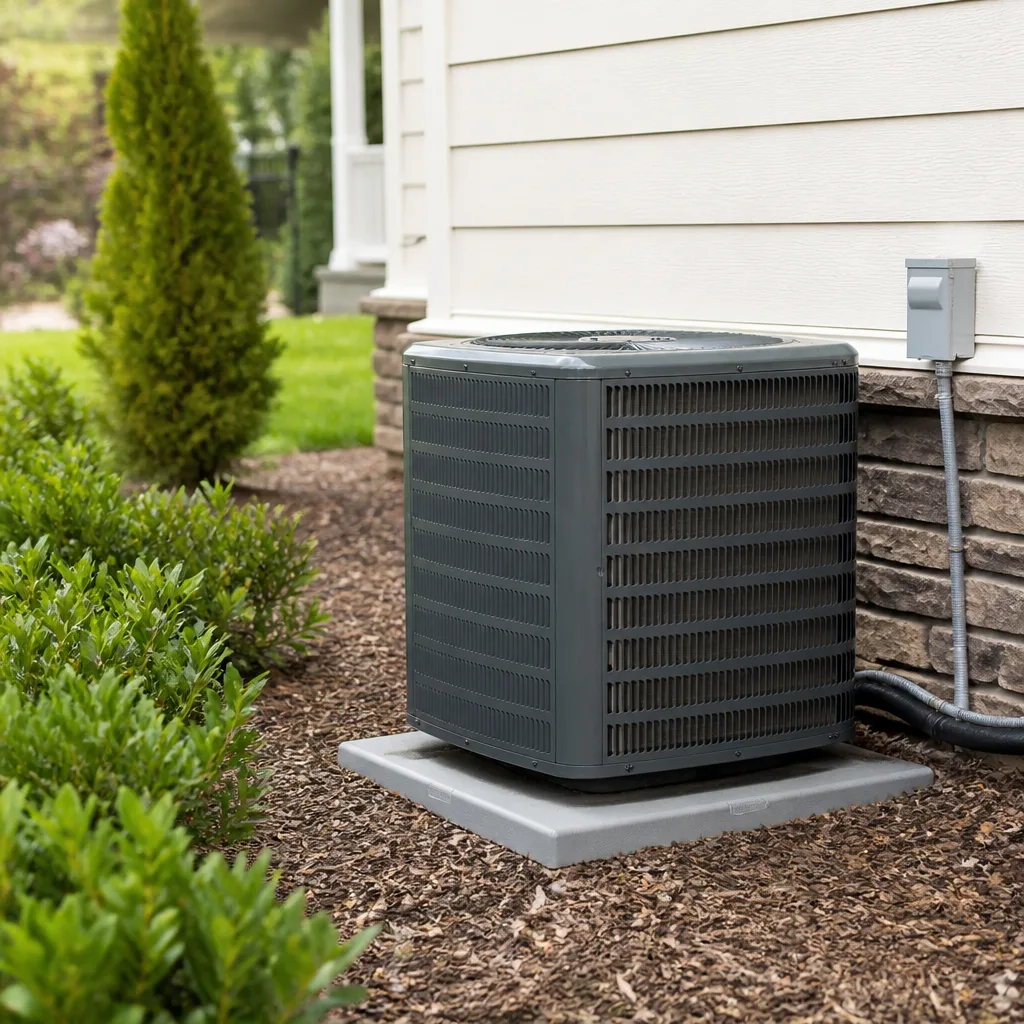 Goodman
Seasonal tune-up and full diagnostic on your Carrier, Trane, or Goodman system - readings shown to you before any repair is proposed
Diagnosis first, numbers second - you approve the repair price before a single part goes in.
Get your free estimateHVAC Emergency Preparedness Guide for Burbank Homes
Most HVAC emergencies aren’t really emergencies. They’re slow failures nobody watched, discovered on the worst possible afternoon. The homeowners who come through a heat wave with their cooling intact aren’t luckier than their neighbors – they just did a little quiet work months earlier. This guide is about that work. Inside you’ll find a Burbank-specific emergency kit list, a temporary cooling plan for when the AC quits during a heat advisory, wildfire smoke protocols for your system, the exact checks to run after a seismic event before restarting gas equipment, and how to set up a service relationship before you need one.
Quick Answer
Emergency HVAC preparedness in Burbank means three things: servicing your system before the heat arrives, keeping a small kit of spare filters and knowing where your shutoffs and breakers are, and having a service relationship in place so a breakdown gets you a fast diagnosis instead of a voicemail queue. The preparation happens in the mild months, never during the event itself.
Styles & brands we work with
- AC repair
- Furnace & heating
- Heat pumps
- Ductless mini splits
- Carrier
- Trane
- Goodman
Table of Contents
- Why Burbank Homes Face a Different HVAC Risk Profile
- Building Your HVAC Emergency Kit
- A Temporary Cooling Plan for a Burbank Home
- Wildfire Smoke: When to Run the System and When to Shut It Off
- After a Seismic Event: Checks Before You Restart Anything
- Setting Up an Emergency Service Relationship Before You Need One
- The Pre-Season Service That Prevents Most Breakdowns
- Common Mistakes to Avoid
Why Burbank Homes Face a Different HVAC Risk Profile
Burbank sits in a valley bowl, and that geography shapes how HVAC systems age here. Summer heat builds and lingers in a way coastal neighborhoods don’t experience, so air conditioners in Burbank run long, hard cycles through July and August. Equipment that coasts through a mild season elsewhere is working near its limits here. That’s the first stressor, and it’s the one homeowners can actually prepare for.
The second is smoke. Burbank’s proximity to the Verdugo Mountains and the open country to the north means a wildfire somewhere in the region can push smoke into the valley for days. During those windows, your HVAC system becomes either your best filtration tool or a way to pull polluted air through the house, depending on how you run it. Most people don’t know which mode they’re in until they’ve already made the wrong choice.
The third is seismic. Burbank sits in earthquake country, and a furnace or water heater connected to a gas line is something to think about before the ground moves, not after. A gas appliance that’s been shaken needs a specific sequence of checks before it’s safe to run again.
None of these is exotic. The point is that they’re predictable, and predictable risks are the kind you can prepare for. Our technicians have up to experience working on systems from Carrier, Trane, Lennox, and other major brands, and the pattern holds across all of them: the systems that fail during extreme heat are almost always the ones that hadn’t been looked at since the previous year.
Building Your HVAC Emergency Kit
An HVAC emergency kit isn’t a toolbox full of parts. It’s a small collection of things that let you act calmly and quickly when something goes wrong. Put it together once and it stays ready.
What belongs in the kit
- Two spare air filters in the correct size. Write the size on a piece of tape stuck to the air handler so you never have to measure under stress. The size is printed on the filter’s cardboard frame.
- A labeled photo of your electrical panel. Snap a picture of the breaker panel with every breaker identified, print it, and tape it inside the panel door. Know which breaker feeds the air handler and which feeds the condenser.
- The location of your condensate overflow shutoff. Most systems have a float switch or overflow pan that shuts the unit down when the drain clogs. Find it now, and note where the drain line exits the house.
- Your system’s model and serial numbers. Photograph the rating plate on the outdoor unit and the furnace. When you call for service, having those numbers ready shortens the diagnosis.
- A gas shutoff wrench. Keep a proper valve wrench near the meter, not buried in the garage.
- A written list of rooms and which ones can be closed off. More on that in the next section.
Know your emergency-off points
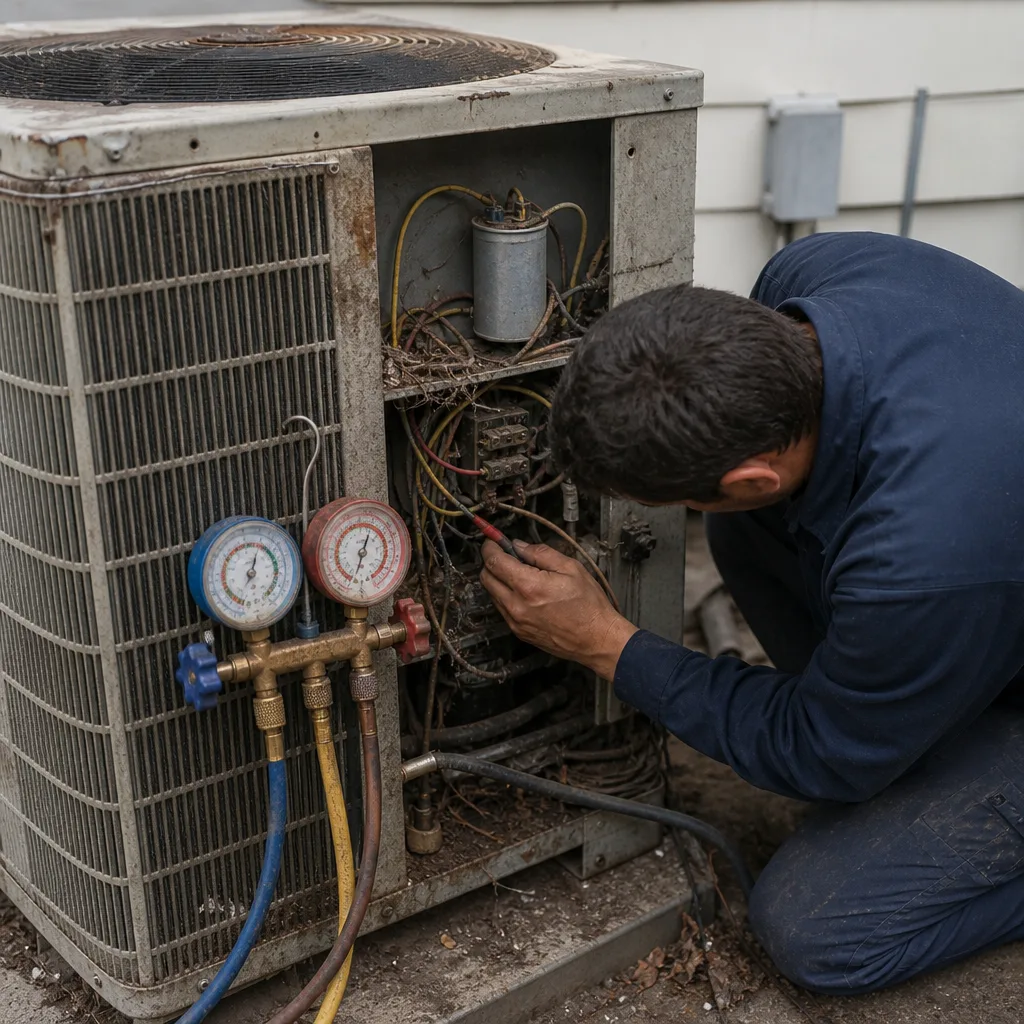
Every homeowner should know two things: where the breaker is that kills power to the outdoor condenser, and where the furnace’s power switch is. If a component like a capacitor fails, the unit may hum, click, or try to start repeatedly. Cutting power at the breaker stops the cycling and prevents further damage while you wait for a technician. We don’t recommend anyone open the electrical compartment of an outdoor unit to poke at a capacitor – the stored charge can be dangerous even with the power off. Knowing where the breaker is, and using it, is the safe move. The repair itself is a job for a trained professional.
Label the panel clearly, keep the filter size written down, and the kit takes twenty minutes to assemble. It’s the cheapest insurance an HVAC system has.
A Temporary Cooling Plan for a Burbank Home
If your AC fails during a heat advisory in Burbank, you need a plan that buys you comfort and time until a technician arrives. Here’s how to build one.
Room isolation
Pick one room to be your cool zone – ideally an interior room on the lowest floor, away from west- and south-facing walls that soak up afternoon sun. Close the doors to rooms you aren’t using so you’re cooling a smaller volume of air. Pull the blinds and curtains on sun-facing windows before the heat peaks, not after.
Window management
Burbank summer evenings often cool down enough to help. Open windows on opposite sides of the house after sunset to create cross-ventilation, then close everything up by mid-morning before the heat builds. A box fan in a window blowing outward pulls hot air out of the house faster than a fan blowing inward pushes cool air in.
Portable unit compatibility
If you keep a portable air conditioner for emergencies, think about where it vents. A single-hose portable unit needs a window or slider to exhaust through, and it works best in a room you can close off. Check that your chosen cool room has a window that opens and a nearby outlet on a circuit that isn’t already loaded. Don’t run a portable unit’s exhaust into a closet or interior space – the heat has to go outside.
What not to do
Don’t open the furnace or air handler cabinet to “check” anything. Don’t run the central fan continuously hoping it helps – without cooling, it just moves hot air around. And don’t wait until the indoor temperature is unsafe to call. Heat illness is a real risk for older adults and young children, and the earlier a technician is dispatched, the better. Call (844) 962-2046. We answer 24/7. Fast dispatch from 7am to 7pm, Sunday through Friday.
Wildfire Smoke: When to Run the System and When to Shut It Off
When smoke settles over the valley, your HVAC system can either filter it or circulate it. The decision isn’t complicated, but it has to be made deliberately.
Run the system in recirculation mode
If your system has a recirculation setting, or if you can close the fresh-air intake, do it. Running the fan in recirculation mode with a good filter keeps air moving through the filter instead of pulling smoky outdoor air in. Keep windows and doors closed. This is the right move during a smoke event when your system is working.
Shut it off when
- The system is pulling in outdoor air through an open intake and you can’t close it.
- You smell smoke inside the house even with everything closed – that’s a sign the system isn’t filtering effectively or there’s a leak in the return duct.
- The unit is short-cycling or behaving oddly. Running a struggling system during a smoke event just adds strain.
What MERV rating actually filters PM2.5
Here’s the part most people get wrong. A standard 1-inch fiberglass filter catches dust and hair, not fine smoke particles. To meaningfully filter PM2.5 – the fine particulate in wildfire smoke – you need a filter rated MERV 13 or higher. But there’s a tradeoff: a very high-MERV filter restricts airflow, and many residential systems aren’t designed for it. A MERV 13 pleated filter is usually the practical ceiling for a standard residential system; going higher can strain the blower and reduce cooling. If you want serious filtration, ask a technician whether your system can handle a higher-MERV filter or whether a standalone air purifier makes more sense. We work on Carrier and Trane systems regularly and can tell you what your specific equipment is rated for.
After a Seismic Event: Checks Before You Restart Anything
If the ground has moved, don’t touch the thermostat until you’ve worked through these checks in order. Gas appliances deserve respect.
- Check for the smell of gas. If you smell gas, leave the house immediately. Don’t flip switches, don’t use your phone inside, and call your gas utility from outside. This is not an HVAC check – it’s a safety evacuation.
- Inspect the gas shutoff valve and the flexible connector at the furnace and water heater. If either looks bent, kinked, or disconnected, shut the gas off at the meter using your wrench and leave it off until a professional inspects it.
- Look at the furnace and air handler for visible damage – a unit that has shifted, tilted, or pulled away from its connections. Don’t run it if it looks displaced.
- Check the flue and venting for the furnace. A cracked or disconnected flue can let carbon monoxide into the house. If anything looks separated, don’t run the furnace.
- Inspect the outdoor condenser for fallen debris or a unit that has shifted off its pad. Don’t restart it if it’s visibly damaged.
- Only after all of the above look normal should you restore power and try the system. If anything is uncertain, call a professional before restarting.
If you’re not sure about any of it, don’t guess. A furnace that’s been shaken needs a trained eye, and the stakes – gas leaks and carbon monoxide – are high enough that a professional check is always the right call.
Setting Up an Emergency Service Relationship Before You Need One
The worst time to find an HVAC contractor is during a heat wave, when every company in the valley is slammed. The best time is a quiet week in spring. Here’s what to look for in a service relationship you establish in advance.
A good HVAC company should be able to tell you, before you need them, how they handle urgent calls. Ask about their emergency response process, whether they prioritize existing customers, and how they handle dispatch. A company that specializes in HVAC only – not one that also does plumbing and roofing – will have technicians whose training is focused entirely on heating and cooling, which matters when the diagnosis is tricky.
Look for a company that works on the system you already have. We’re certified to work on nine major brands – Carrier, Trane, Lennox, Goodman, Rheem, York, Daikin, Bryant, and American Standard – and the reason that matters is simple: when a technician knows your specific equipment, the diagnosis is faster and the repair is more likely to be right the first time. You don’t want someone learning on the job in your living room during a 105-degree afternoon.
Ask about service agreements. A service agreement typically includes a pre-season tune-up, a priority spot in the queue during busy periods, and a record of your system’s condition over time. That last one is underrated – a technician with a history of your system catches problems earlier. Establish the relationship in spring, and when something fails in July, you’re a known customer, not a stranger in a queue.
For Burbank homeowners, this matters more than in many places. The valley heat puts real strain on systems, and the demand for AC installation and repair spikes hard when temperatures climb. Getting your name on a company’s radar before the spike is the preparation that pays off.
The Pre-Season Service That Prevents Most Breakdowns
If you do one thing from this guide, do this: get a professional service visit in April or early May, before the heat arrives. Here’s why it’s the highest-leverage step.
An air conditioner that hasn’t been serviced since last summer has likely picked up a dirty condenser coil, a restricted filter, and refrigerant that’s drifted below spec. None of these causes an immediate failure – but each one makes the system work harder, and the combination is what turns a marginal system into a breakdown on the first 100-degree day. A pre-season visit catches all three while it’s still a routine correction rather than an emergency repair.
The furnace side deserves the same attention in late fall. A furnace that hasn’t been checked can have a dirty flame sensor, a restricted filter, or a flue that needs attention – and the mild Burbank winters mean these problems can go unnoticed until the first cold snap.
Our approach to furnace repair starts with a fast diagnosis, because the goal is always to tell you what’s actually wrong and what it’ll take to fix it – whether that’s a repair or a replacement. We’d rather tell you a repair makes sense than sell you a new system you don’t need. And when a replacement is genuinely the right call, we handle it as a planned install, ordered and scheduled, with the price set by a written estimate so there are no surprises.
Our technicians have up to experience, and they’re not paid on what they sell. That’s the model that makes an honest recommendation possible.
Common Mistakes to Avoid
- Waiting until the heat hits to call. The volume of emergency HVAC calls in Burbank during a heat event peaks on the hottest days, and the queue gets long fast. Book your service in advance and you skip that scramble.
- Running the system with a filter that’s never been changed. A clogged filter is the single most common cause of avoidable breakdowns. Write the size on the air handler and check it monthly through summer.
- Opening the outdoor unit to “check the capacitor.” The stored charge in a capacitor can be dangerous even with power off. Know where the breaker is and use it; leave the repair to a technician.
- Assuming any filter will filter smoke. Smoke particles are fine, and a basic fiberglass filter won’t catch them. MERV 13 is where real PM2.5 filtration begins, and only if your system can handle the airflow restriction.
- Restarting the furnace after an earthquake without checking the gas connections and flue. This is the one mistake on this list with life-safety implications. When in doubt, call a professional.
- Choosing a contractor by price alone during an emergency. When comfort and safety are on the line, a company that knows your equipment and works only in HVAC will get it right faster than the lowest bid.
- Buying a portable AC without checking the vent window. A portable unit needs a window or slider to exhaust through, and a designated room to cool. Check before the emergency, not during it.
See the difference
 Before
 After
 Before
 After
 Before
 After
When to Call a Professional
Some HVAC problems are meant to be handled by a technician, full stop. Call us when: the system won’t start at all; the outdoor unit hums or clicks without running; the furnace smells like gas or won’t light; you see ice on the refrigerant lines; the house isn’t cooling even with the system running; the indoor blower runs but doesn’t move air; or the furnace or AC trips a breaker repeatedly. Also call after any earthquake if you’re unsure about gas connections or the flue. And call in spring if you haven’t had a pre-season service – that’s the appointment that prevents the emergency. For anything on that list, our AC Repair Burbank team offers free estimates in Burbank – call (844) 962-2046. We answer 24/7, with fast dispatch from 7am to 7pm, Sunday through Friday.
Frequently Asked Questions
First, check the thermostat, then the breaker feeding the outdoor unit, then the air filter. If none of those restores cooling, call a technician – the earlier the dispatch, the better your options during peak demand. Call (844) 962-2046 and we’ll get a technician scheduled.
Switch to a MERV 13 pleated filter if your system can handle the airflow restriction, learn where the fresh-air intake is so you can close it, and confirm your system can run in recirculation mode. During a smoke event, keep windows closed and run the fan in recirculation; shut the system off if you smell smoke indoors despite everything being closed. If you’re unsure what your equipment is rated for, call us and we’ll tell you.
Only after checking for the smell of gas, inspecting the gas shutoff valve and flexible connector, and looking for visible damage to the furnace and flue. If you smell gas, leave the house and call your gas utility. If anything looks bent or disconnected, shut the gas off and call a professional before restarting. Call (844) 962-2046 if you need a post-earthquake inspection.
MERV 13 or higher captures fine PM2.5 smoke particles, but many residential systems can’t handle the airflow restriction of a higher-MERV filter. MERV 13 is usually the practical ceiling for a standard system. Ask a technician whether your specific equipment can handle it, or whether a standalone air purifier is the better route. Call (844) 962-2046 with your model number and we’ll advise.
Look for a company that specializes in HVAC only, is familiar with your brand, and can explain its emergency dispatch process clearly. Ask about service agreements and priority for existing customers. Establishing the relationship in spring means a faster response when the heat arrives. We’re certified to work on nine major brands including Carrier, Trane, Lennox, and Goodman – call (844) 962-2046 to set up a pre-season visit.
We do same-day service when we can, and we dispatch Sunday through Friday, 7am to 7pm. Call (844) 962-2046 – we answer 24/7, and we’ll tell you the soonest opening. Estimates are free.
The Bottom Line
HVAC emergencies in Burbank are mostly predictable, and the work that prevents them happens in the mild months. Build the kit: the right filters, a labeled breaker panel, the location of your condensate shutoff. Learn the temporary cooling plan and the smoke-mode decision before you need them. Know the earthquake checklist and respect it. And set up a service relationship in spring, with a company that knows your equipment and works in heating and cooling only. If you’re planning your Burbank home’s preparation, call (844) 962-2046 for a free estimate. We answer 24/7, with fast dispatch from 7am to 7pm, Sunday through Friday.
Written by the team at AC Repair Burbank.