
Last updated November 16, 2026
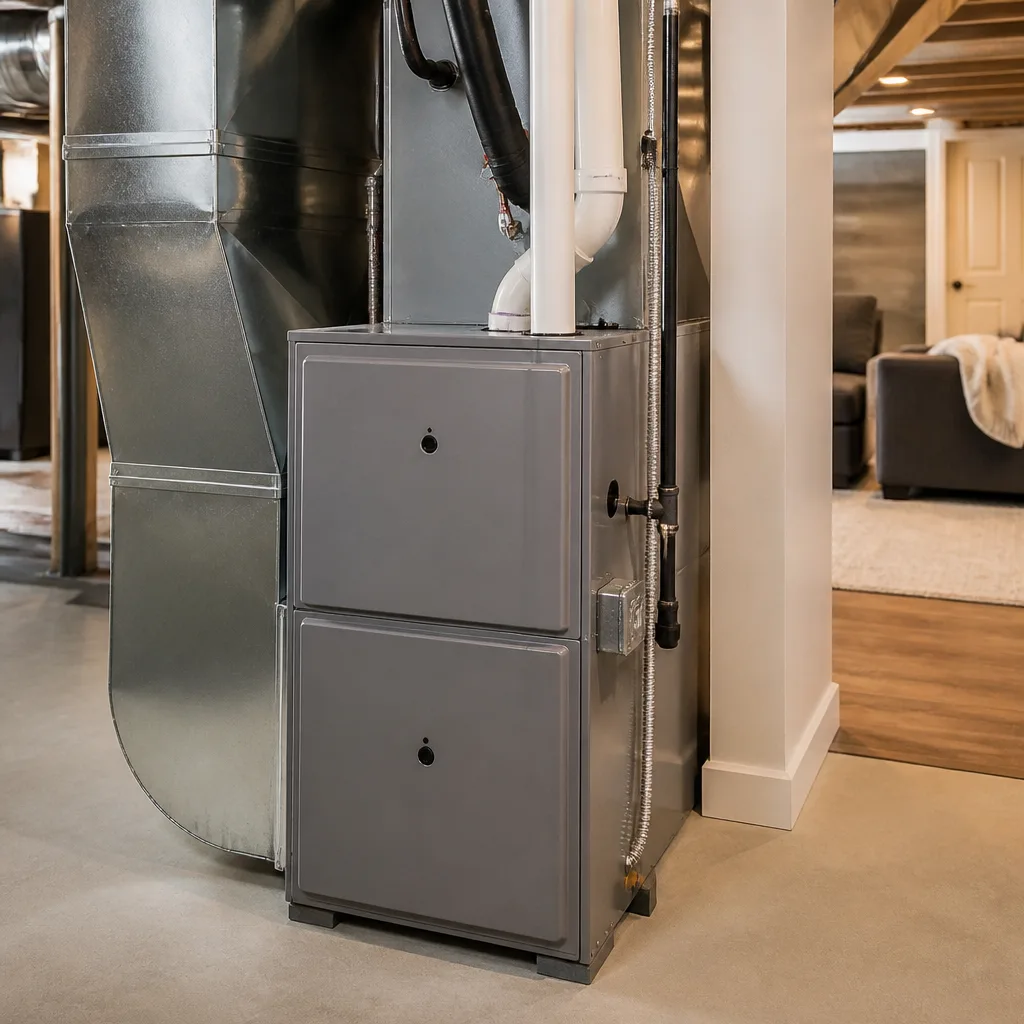 Furnace & heating
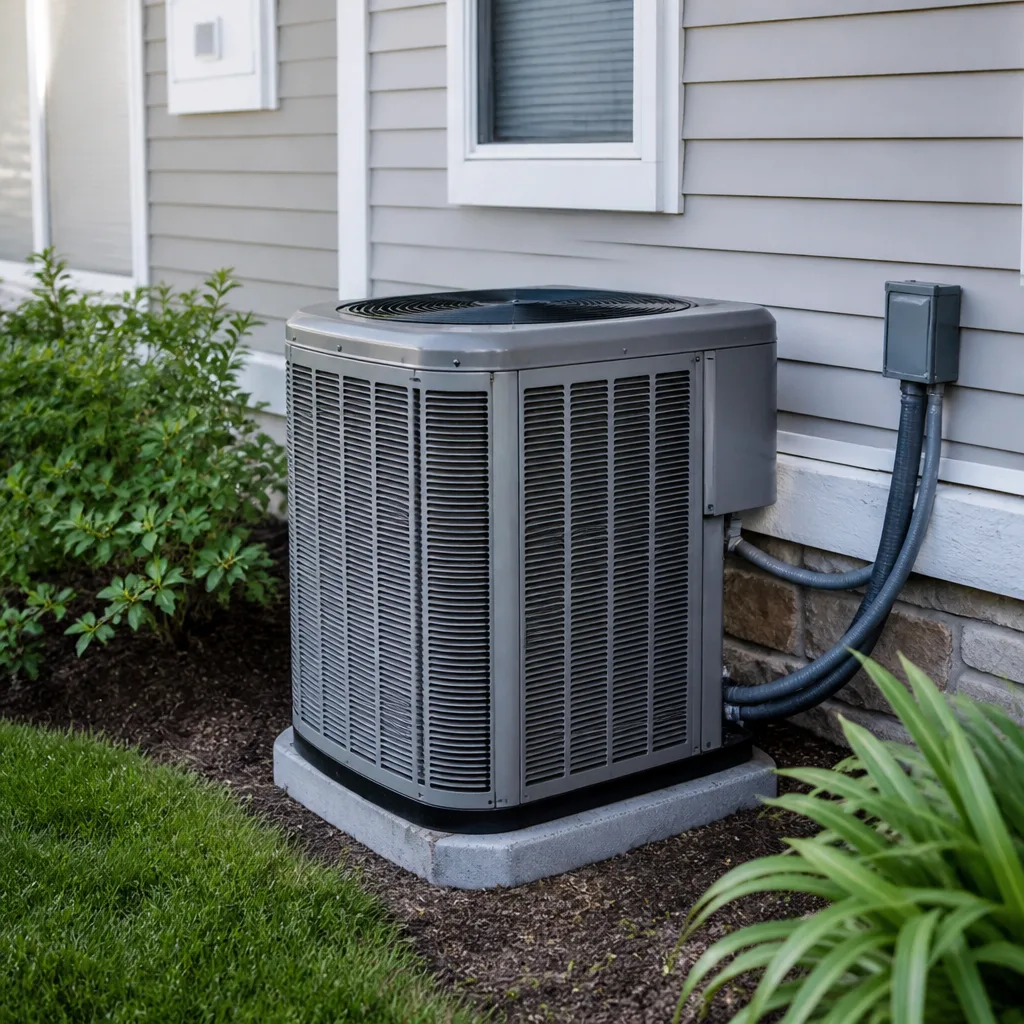 AC repair
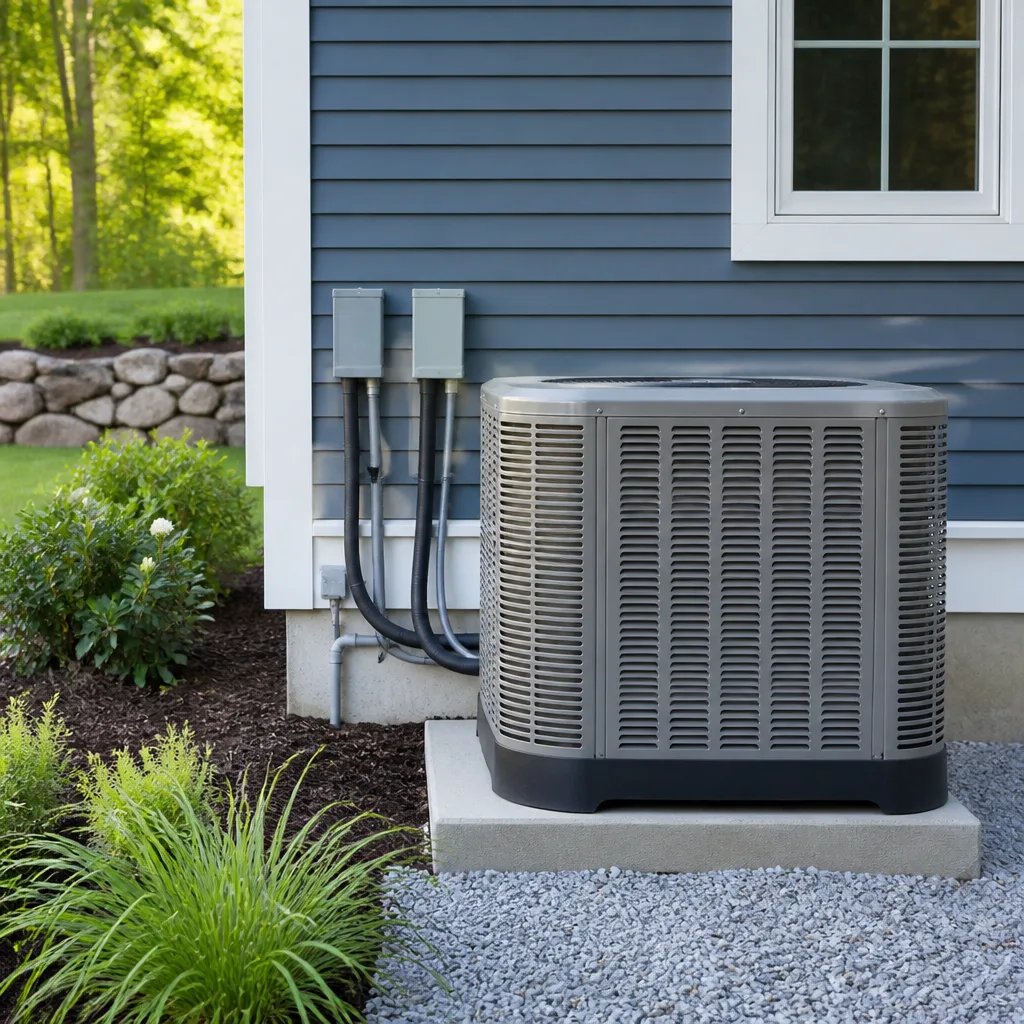 Heat pumps
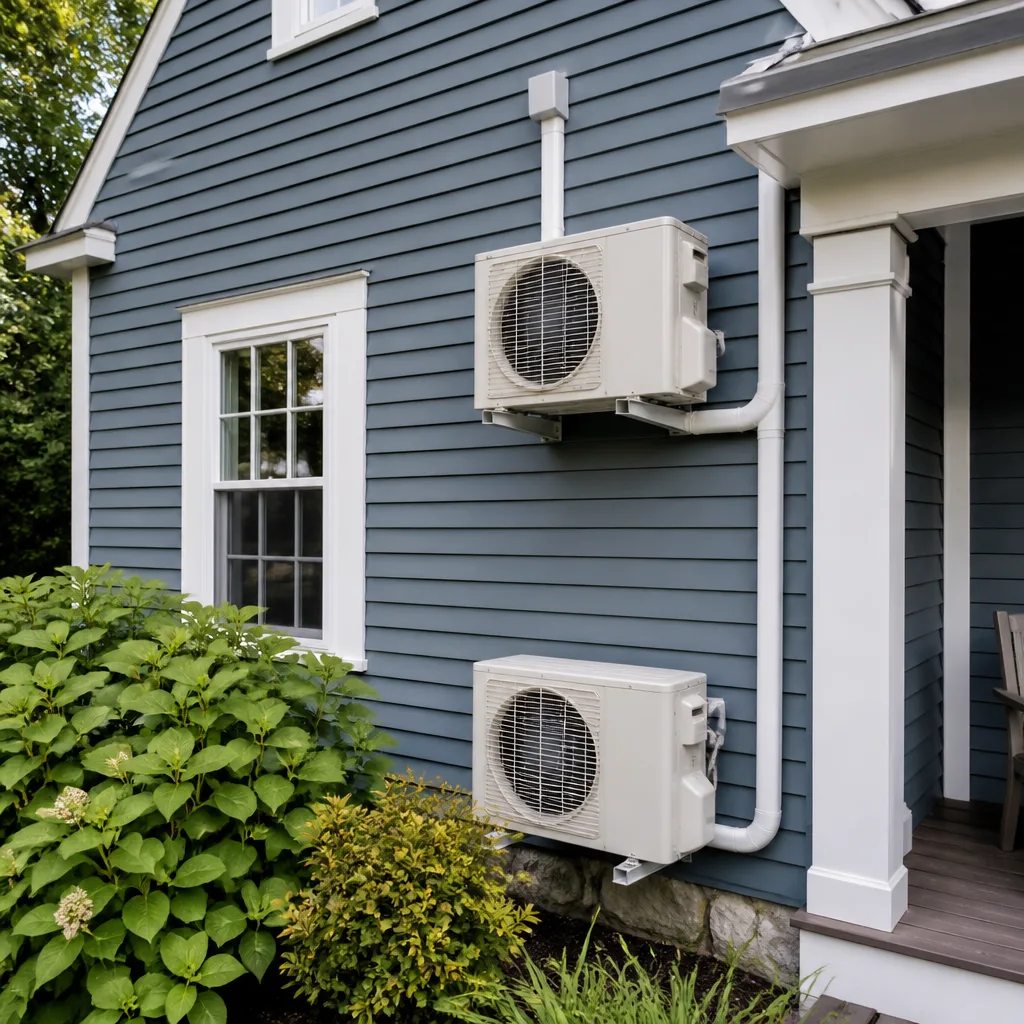 Ductless mini splits
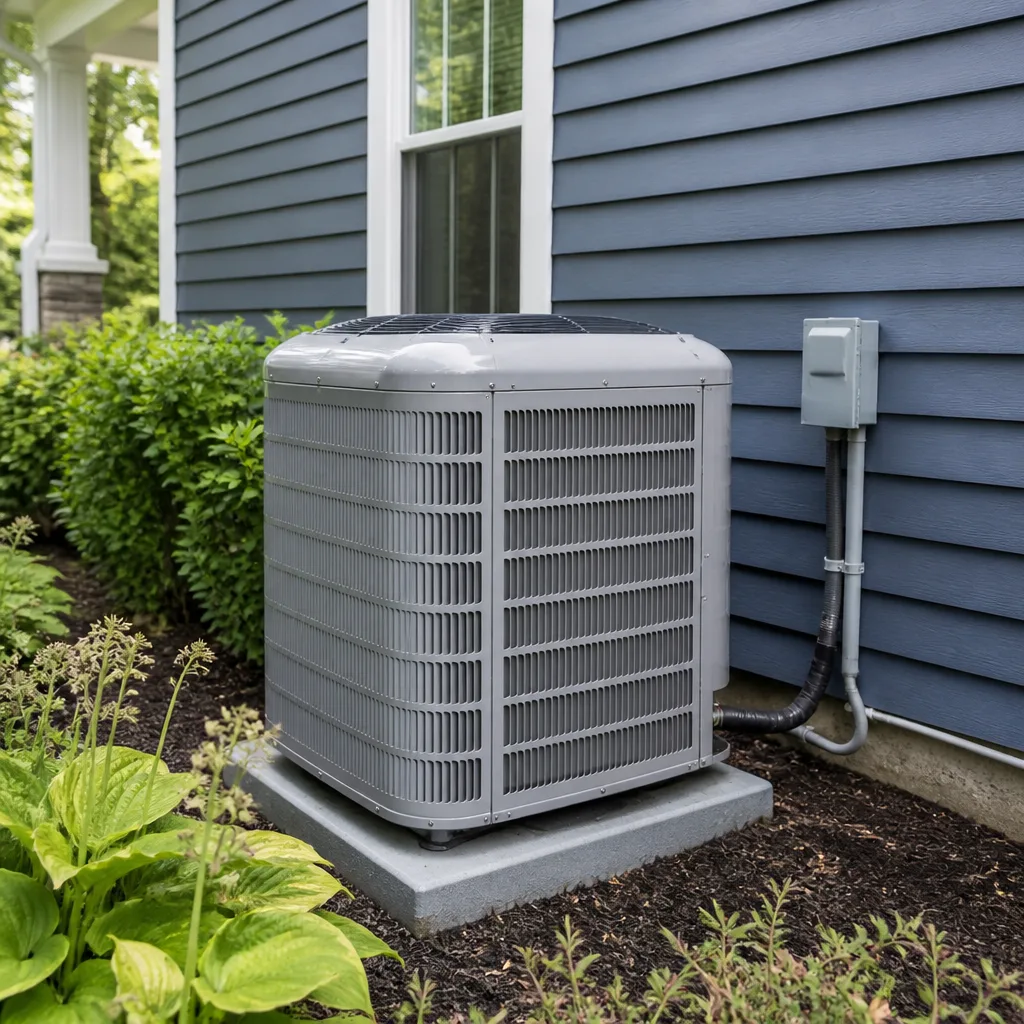 Carrier
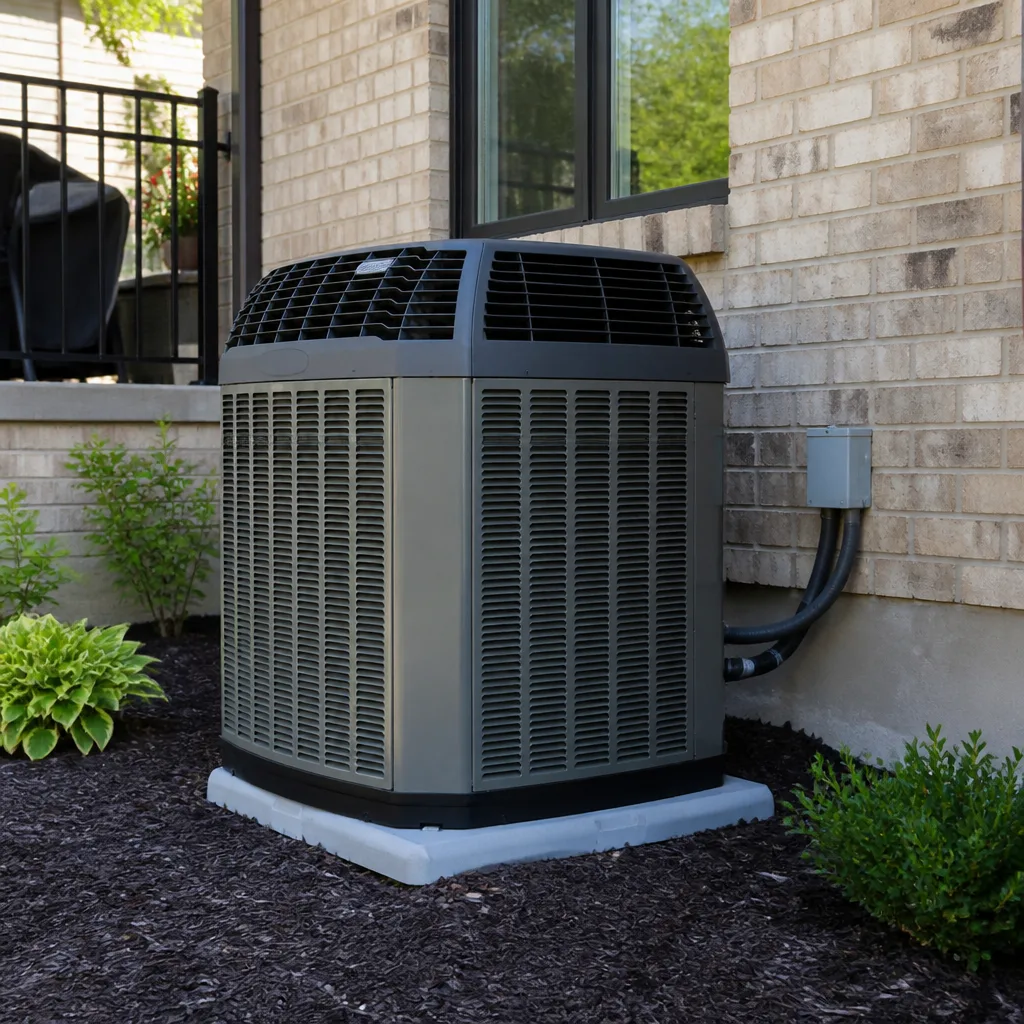 Trane
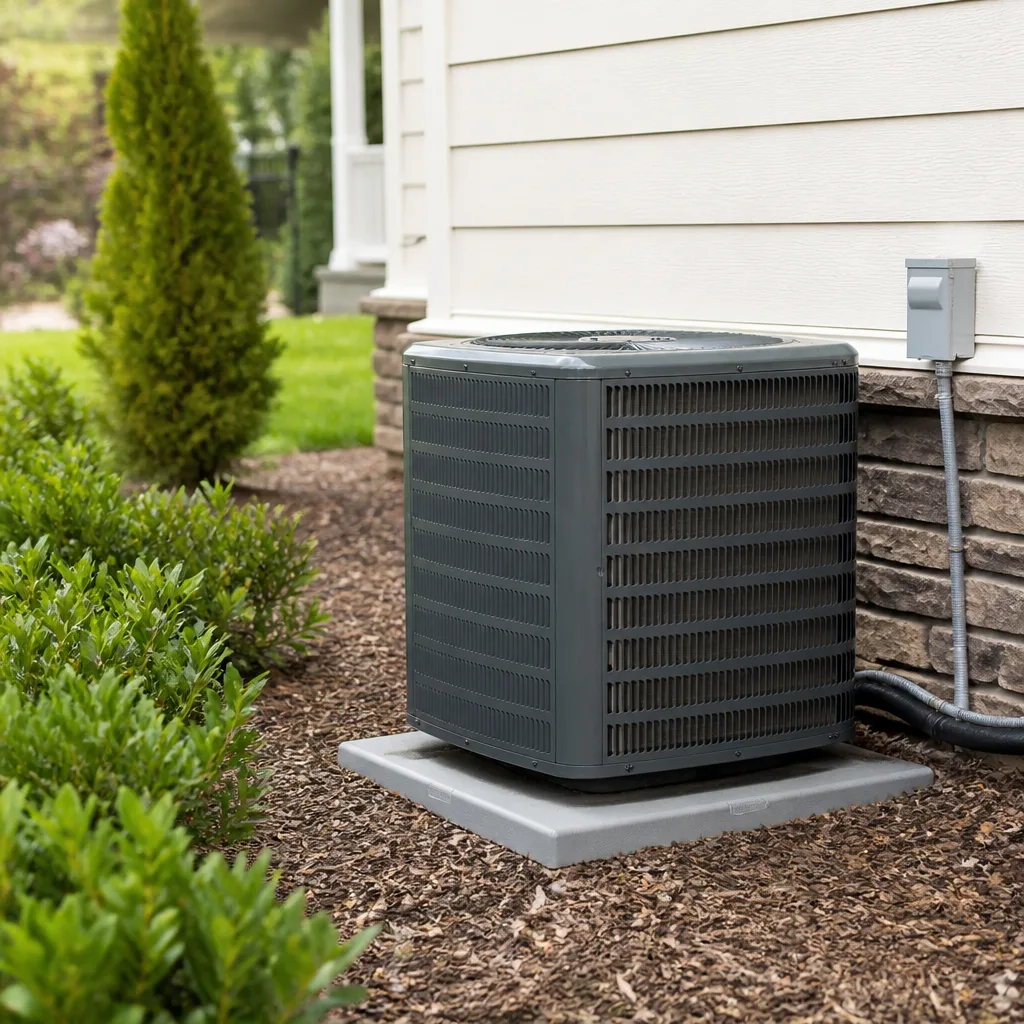 Goodman
Seasonal tune-up and full diagnostic on your Carrier, Trane, or Goodman system - readings shown to you before any repair is proposed
Diagnosis first, numbers second - you approve the repair price before a single part goes in.
Get your free estimateThe Complete Furnace Replacement Guide for Burbank Homeowners
Most Burbank homeowners assume their aging furnace has one more season in it. That’s usually true, and it’s exactly the problem. Because our winters are mild, a tired furnace rarely fails when it’s convenient to plan a replacement. It fails during one of the few genuinely cold stretches of the year, when every HVAC company in the valley is stretched thin and the only thing you can do is take whatever gets installed fastest. This guide treats furnace replacement the way it should be treated here: a planned capital decision you make on your schedule, not an emergency reaction in late December. You’ll learn what efficiency tier actually pays off in Burbank, how to read your existing unit, what the city’s building department requires, and a realistic timeline from first quote to final sign-off.
Quick Answer
Furnace replacement in Burbank is a planned, load-verified project, not a same-day swap: you assess and size the home, compare written quotes, pull the permit through Burbank Building & Safety, complete the install, and pass final inspection. Because Burbank’s heating load is low, a mid-tier single-stage or two-stage furnace usually delivers the best return, and pairing the new furnace correctly with your existing AC coil matters as much as the furnace’s own efficiency rating. Start with a free written estimate and expect the whole process to run over a few weeks, with the install day itself typically the shortest phase.
Styles & brands we work with
- AC repair
- Furnace & heating
- Heat pumps
- Ductless mini splits
- Carrier
- Trane
- Goodman
Table of Contents
- Why Furnace Replacement in Burbank Is Different From Colder Cities
- What Furnace Efficiency Actually Pays Off in Burbank?
- How to Read Your Existing Furnace’s Data Plate Before You Get Quotes
- What Permits and Inspections Does Burbank Require for a Furnace Replacement?
- Why Replacing Only the Furnace Can Hurt Your AC System
- The Realistic Furnace Replacement Timeline, Phase by Phase
- How to Compare Furnace Quotes in Burbank
- Should You Repair or Replace Your Furnace?
Why Furnace Replacement in Burbank Is Different From Colder Cities
Burbank averages fewer than 20 nights below 40°F per year. That single number reframes the entire decision. In a cold-climate city, a furnace runs for months and its efficiency rating translates directly into fuel savings nearly every day of winter. Here, the furnace sits idle most of the year and fires up during a handful of cold snaps, usually overnight. That means the payback math on a premium high-efficiency unit is slower in Burbank than a national sales sheet suggests, and the reason to replace is less about fuel bills and more about reliability, safety, and not getting caught with a dead system during the few cold weeks that actually matter.
Our experienced technicians see the same pattern across the city. Homes in the hills, where nights run colder, have a higher heating load than flatland homes near downtown or along the Rancho districts, and the load difference should inform the sizing and the efficiency tier you choose. Furnaces also fail more often from age and neglect than from hard use. A unit that’s rarely called on still has a heat exchanger, an inducer motor, and a control board that wear with time, not just runtime.
The practical takeaway for Burbank homeowners: plan the replacement in the off-season, when scheduling is roomy and you can compare quotes without pressure. A planned replacement lets you get the size right, pull the permit correctly, and pair equipment properly. Waiting until the furnace dies converts a comfortable decision into a rushed one. Burbank winters reward preparation precisely because they’re gentle enough to lull you into skipping it.
What Furnace Efficiency Actually Pays Off in Burbank?
For most Burbank homes, a mid-tier single-stage or two-stage furnace in the standard-efficiency range gives the best return, and a top-tier condensing unit rarely pays back on fuel savings alone in this climate. That answer surprises people who’ve read cold-climate buying guides, so here’s the reasoning.
Furnace efficiency is measured by AFUE, the annual fuel utilization efficiency. A higher AFUE means more of the gas burned becomes heat and less escapes up the flue. In a place with a long, hard winter, that difference compounds over hundreds of heating hours. In Burbank, the heating hours are limited, so the number of therms you’d save is small. The higher-AFUE unit also typically costs more upfront and, in condensing designs, adds venting and condensate considerations to the install.
What actually pays off here:
- Correct sizing matters more than a high AFUE number. An oversized furnace short-cycles, which wastes fuel and wears parts faster than a right-sized unit running longer, gentler cycles.
- Two-stage operation is often worth the modest step up in price for comfort: a lower first stage handles mild Burbank nights quietly and ramps up only on the coldest ones.
- Standard efficiency with a well-sealed, correctly sized system usually beats a premium furnace installed with shortcuts.
- A matched system (furnace and coil working together) can matter more to your overall energy use than the furnace’s AFUE rating alone.
We install equipment from brands like Carrier and Trane, and we work on whatever system you already have rather than steering you toward a favorite line. The honest guidance for Burbank is this: spend on correct sizing, good installation, and a two-stage unit if your budget allows, and don’t overpay for efficiency you won’t recover in a mild climate. If you want the full walkthrough on the cooling side as well, our AC installation page covers paired-equipment decisions in more depth.
How to Read Your Existing Furnace’s Data Plate Before You Get Quotes
Before you call anyone, find the data plate on your furnace and photograph it. The data plate tells you the furnace’s rated input and output, its fuel type, and its configuration, which is exactly the information a good quote is built around. Knowing it puts you in a stronger position to compare bids and spot a contractor who’s guessing.
The plate is usually a metal label inside the blower compartment or on the front panel, and it lists several figures:
- Input BTUh – the amount of gas the furnace burns per hour. This is the number most often quoted.
- Output BTUh – the heat actually delivered to the home after losses. Divide it by the input to get the unit’s efficiency.
- Fuel type – natural gas or propane. Burbank homes are usually on natural gas, but confirm yours, because it affects the replacement.
- Configuration – upflow, downflow, or horizontal. This determines what fits in the same space without duct changes.
- Model and serial number – useful for identifying the unit if you want repair history or parts availability confirmed.
Write down the input and output BTUh and the configuration, and note whether the current unit is a single-stage or two-stage model. Bring that information to your quote. A contractor doing a proper load calculation will use the whole home’s details, not just match the old furnace’s size, but knowing the old size gives you a sanity check. If a quote offers a furnace that’s dramatically larger or smaller than what’s already there without explaining why, ask. Correct sizing is a calculation, not a guess based on the old box.
What Permits and Inspections Does Burbank Require for a Furnace Replacement?
Furnace replacement requires a permit from Burbank Building & Safety, with inspection of the finished work before the job is signed off. This is the step homeowners most often don’t know to ask about, and it’s the one contractors sometimes skip to save time. A permitted, inspected install protects you at resale and confirms the gas connection, venting, and clearances meet code.
Here’s what the permit process typically involves:
- Permit application – the installing contractor files the permit with Burbank Building & Safety, describing the replacement and the equipment.
- Installation – the furnace is installed to the approved scope, with venting, gas piping, and electrical connections done to code.
- Inspection – a city inspector reviews the installation: combustion venting, clearances, the gas connection, and the unit’s listing and labeling.
- Sign-off – the inspection passes and the permit closes, giving you a documented, code-compliant installation.
Ask every contractor you interview whether they’ll pull the permit and schedule the inspection as part of the quoted price. The good ones say yes without hesitation; the ones who suggest you can skip it are telling you something about how they work. If you’re unsure what your specific address requires, call Burbank Building & Safety directly with your address and the scope. It’s a quick call that prevents surprises. Permit requirements can change, so confirm the current rule rather than relying on a guide, including this one.
If your existing furnace is being repaired rather than replaced, inspection requirements differ, and our furnace repair page covers how that process works. Heating and cooling are the only trades we handle, so the permit conversation stays within our scope.
Why Replacing Only the Furnace Can Hurt Your AC System
Replacing just the furnace in a split system can mismatch your existing AC coil and pull down your total system efficiency, even if the new furnace is excellent on its own. Most Burbank homes run a split system: a furnace (or air handler) indoors and a condensing unit outside, joined by an evaporator coil that sits above or beside the furnace. The furnace and coil are meant to be matched. When they aren’t, the result is a system that works harder and cools less efficiently than either component’s rating suggests.
The mismatch problem comes in a few forms:
- Airflow mismatch – a new furnace’s blower may move more or less air than the old coil and ductwork were designed for, affecting both heating and cooling performance.
- Coil capacity mismatch – an older coil sized for the previous furnace may not match the new furnace’s capacity, reducing cooling efficiency.
- Refrigerant and metering differences – older coils may be designed for a refrigerant type that no longer matches current equipment, which can force changes during the furnace install.
Ask your contractor to inspect the existing coil during the assessment and tell you plainly whether it should be reused or replaced at the same time. A matched system (furnace plus coil, and the outdoor unit if it’s near end of life) performs to its ratings. A mismatched one may not. This is also why we ask what brand and age your AC is: familiarity with the equipment matters, whether it’s a Lennox coil or a Carrier air handler. If your AC is getting old too, it’s worth pricing a coordinated replacement so both halves of the system match. Our AC Repair Burbank team handles the cooling side, so you’re working with one company across the life of the system rather than juggling contractors.
The Realistic Furnace Replacement Timeline, Phase by Phase
A furnace replacement in Burbank typically runs a few weeks from first call to final inspection, and understanding the phases helps you plan around it. The install day itself is usually the shortest part. The value is in the assessment, the quote comparison, and the inspection.
Phase 1: Assessment and Sizing
A technician inspects the existing furnace, the ductwork, the coil, and the venting, and performs a load calculation for your home. This is where correct sizing gets decided. It’s also where any paired-equipment issues surface. Plan for this visit and be ready with the data plate details you gathered.
Phase 2: Quote Comparison
You receive written quotes for equipment and installation, including the permit and inspection. Compare scope line by line, not just the bottom-line price. Confirm sizing rationale, the efficiency tier, and whether the coil is being reused or replaced.
Phase 3: Permit Pull
The contractor files the permit with Burbank Building & Safety and schedules the inspection. This can take some time depending on the city’s queue, so it’s a real scheduling factor.
Phase 4: Install Day
The crew removes the old furnace, sets the new unit, connects gas, venting, and electrical, and checks operation. The install itself is usually completed in a single visit, but it’s scheduled, not same-day-from-a-call work.
Phase 5: Final Inspection and Sign-Off
The city inspector reviews the installation and the permit closes. Keep the signed-off permit with your home records; it’s valuable documentation if you ever sell.
Built into that timeline, one more phase is worth naming: planning the season. Because Burbank winters are mild, the ideal window to replace is the off-season, when scheduling is open and you’re not competing with every other homeowner for the first cold snap. If you’re doing both heating and cooling, coordinating the work with an AC project spreads the disruption and keeps the system matched. Our Burbank service overview covers how we approach both sides of the system across the city.
How to Compare Furnace Quotes in Burbank
Comparing furnace quotes in Burbank comes down to scope, sizing, and what’s included, not the bottom-line number alone. Two quotes can look similar in total and differ dramatically in what you actually get.
- Is the furnace correctly sized? Ask to see the load calculation basis. A quote that only matches the old furnace’s size without confirming the home’s current load may be over- or undersized.
- What efficiency tier and what staging? Single-stage, two-stage, or variable. In Burbank, two-stage is often the sweet spot.
- Is the coil being reused or replaced? Reusing it can save money but may mismatch the new furnace. Have the quote state which and why.
- Is the permit included? It should be a line item. Ask directly.
- What’s the venting and gas work? Newer high-efficiency units may need different venting. Make sure the quote reflects the actual installation.
- Is the price fixed and written? A written estimate should set the final price per job, not a “from” figure that grows after work starts.
We work on the system you already have and we’re familiar with the major brands installed across Burbank homes, from American Standard to Lennox and Carrier. That means when we give you a quote, we’re reading the equipment in front of us, not steering you toward a line we prefer to sell. For a free written estimate that lays out the scope, ask what’s included before you compare totals.
Should You Repair or Replace Your Furnace?
Repair makes sense when the furnace is reasonably efficient, the failed part is serviceable, and the rest of the system is sound; replacement makes sense when repairs are mounting, the heat exchanger is compromised, or the unit’s age and efficiency no longer justify the cost. In Burbank’s mild climate, the calculation tilts toward repair more often than it would in a cold city, because a functioning furnace is doing relatively little work. The deciding factors are safety and reliability, not fuel savings.
Ask these questions when deciding:
- Is the heat exchanger compromised? A cracked heat exchanger is a safety concern that points toward replacement, not repair.
- Are repairs recurring? Repeated failures of different parts signal a unit at end of life.
- Is the part still available? Older units can be stuck waiting on parts that no longer match current equipment.
- What’s the efficiency now? A very old, low-efficiency furnace may be worth upgrading, though the payback in Burbank’s climate is slower than in cold regions.
- How does it pair with the AC? If the coil is also aging, a coordinated replacement can be the better long-term decision.
We’ll tell you which one actually makes sense for your system, not which one sells a bigger job. Sometimes that means repairing; sometimes it means replacing. Fast diagnosis, honest options.
Common Mistakes to Avoid
- Skipping the load calculation. Matching the old furnace’s size without confirming your home’s current heating load is the most common sizing error, and it’s especially tempting in a mild climate where “close enough” feels fine.
- Buying the highest efficiency tier out of habit. In Burbank’s low heating load, a top-tier condensing unit often doesn’t pay back on fuel savings. Spend on correct sizing and good installation instead.
- Forgetting the permit. A replacement without a permit and inspection can create problems at resale and hides code issues. Ask before work starts.
- Replacing the furnace but ignoring the coil. A mismatched coil pulls down total system efficiency. Have the coil inspected during assessment.
- Waiting for a cold-snap failure. Planning in the off-season gives you room to compare quotes and get scheduling you want, rather than taking what’s available during a cold stretch.
- Comparing only the bottom line. Quotes with similar totals can differ by scope, efficiency tier, and whether the coil and permit are included.
- Assuming “one more season” is safe on an old unit. A unit past its service life can fail without warning during the few cold nights that matter most.
See the difference
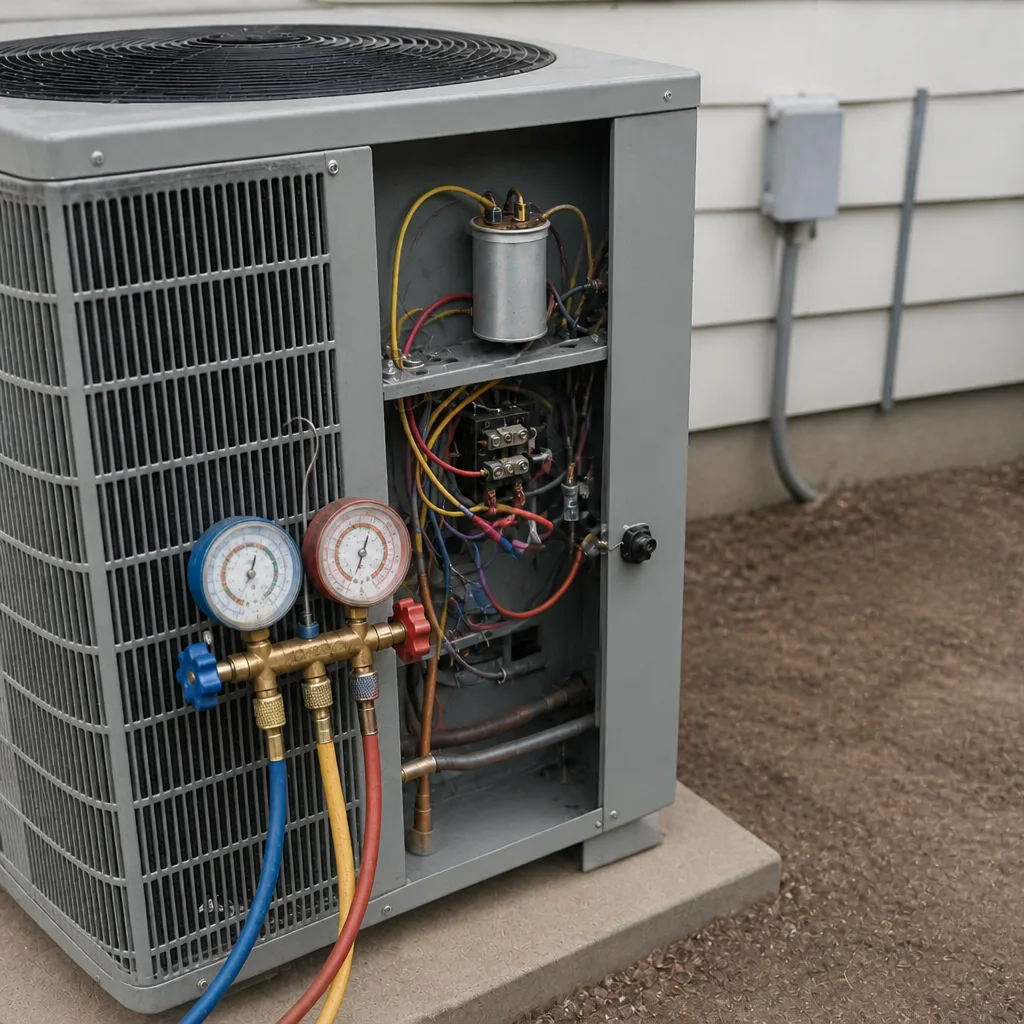
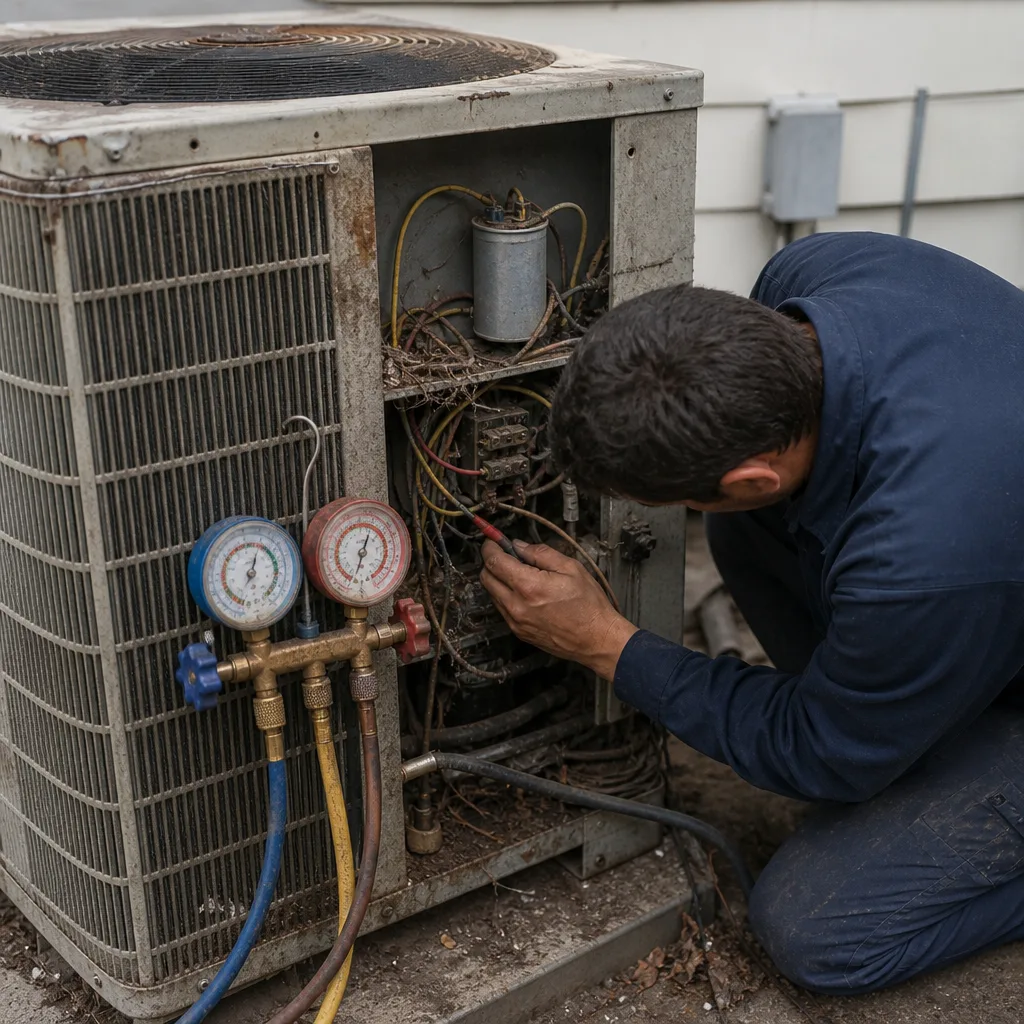 Before
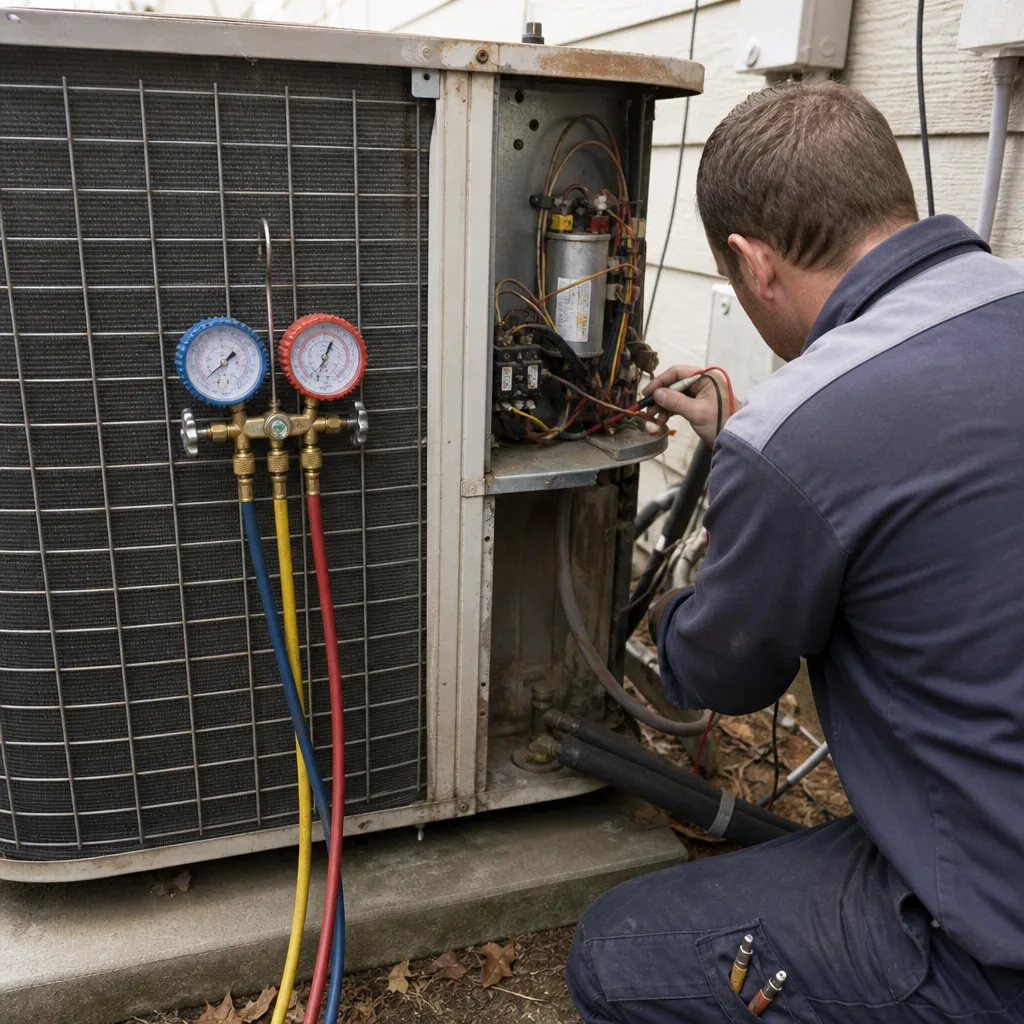
 After
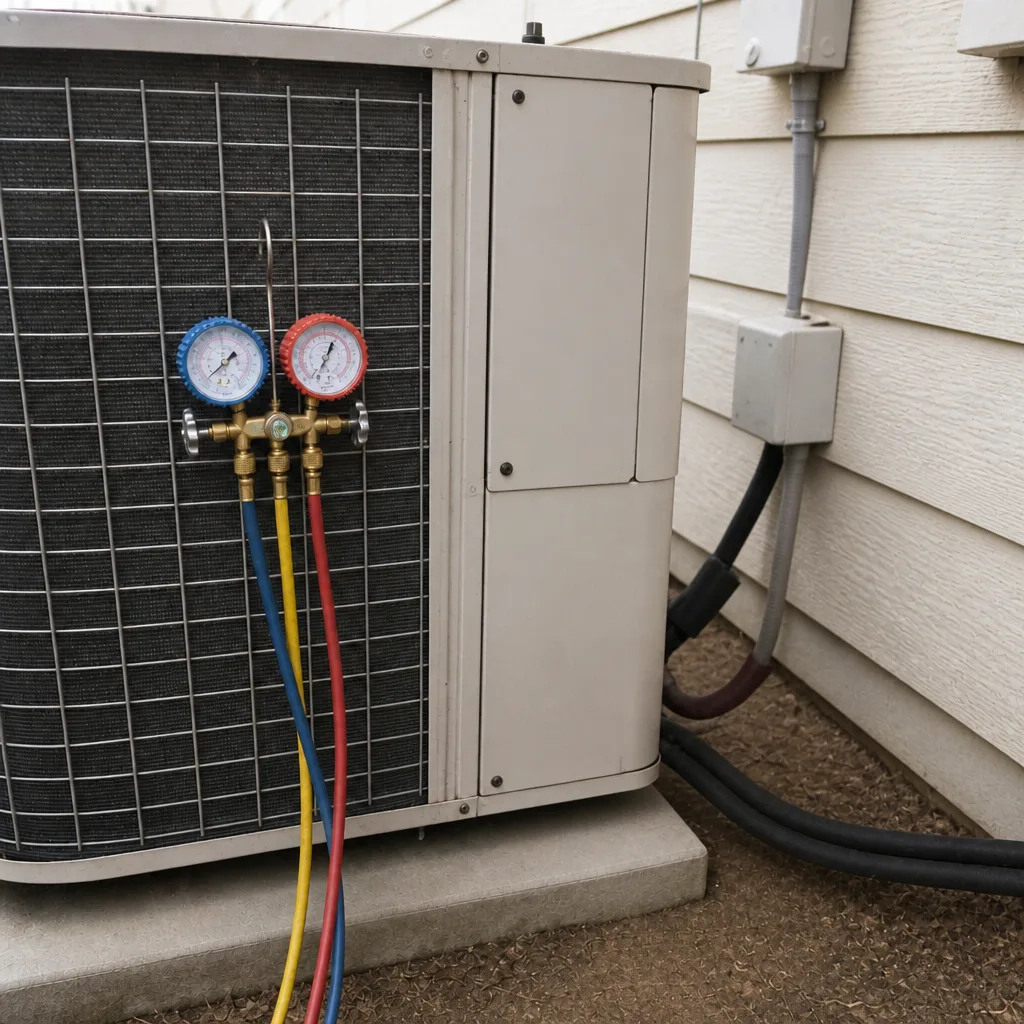
 Before
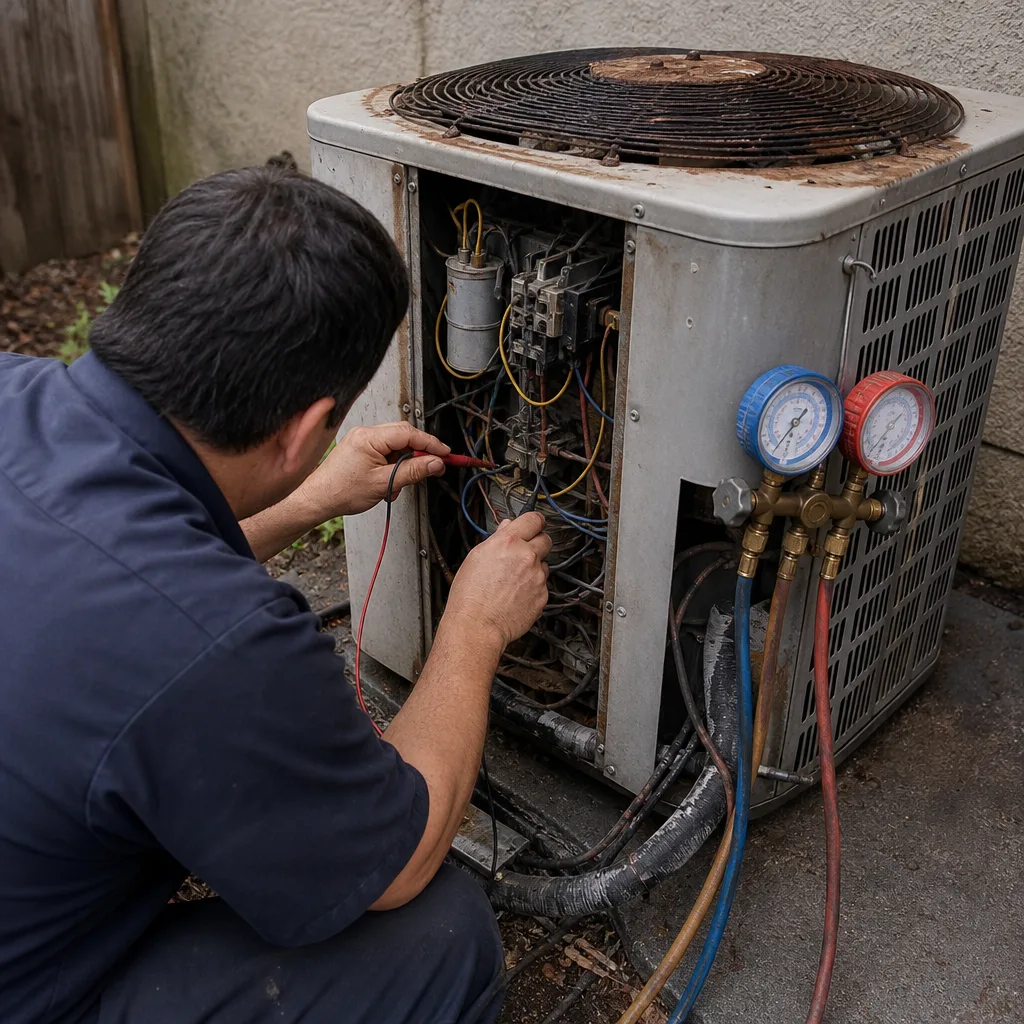
 After
 Before
 After
When to Call a Professional
Call a professional if your furnace is failing to ignite, short-cycling, making new noises, or if you smell gas (leave the home and call your gas utility first). Call us for a free assessment if a repair quote seems high, if you’re unsure whether to repair or replace, or if you’re ready to plan a replacement on your schedule before a cold snap forces the issue. Gas lines and combustion equipment are genuinely dangerous to work on without training, so please don’t attempt furnace repairs yourself. AC Repair Burbank offers free estimates in Burbank – call (844) 962-2046. We answer 24/7. Fast dispatch, 7am-7pm, Sunday through Friday, closed Saturday. A call outside dispatch hours is booked into the next opening. If you suspect a gas leak, do not wait: leave the home and contact your gas provider.
Frequently Asked Questions
Furnace replacement in Burbank is priced per job by written estimate, because the correct price depends on the home’s heating load, the efficiency tier you choose, whether the coil is reused or replaced, and the permit. There’s no single square-foot price that fits every home, and a fixed written estimate sets the final price. Call (844) 962-2046 for a free estimate; we’ll lay out the scope in writing so you can compare bids fairly.
Yes. Furnace replacement requires a permit through Burbank Building & Safety and an inspection of the finished work. Confirm current requirements with the building department for your specific address, and make sure the permit is included in your quote. A permitted, inspected installation protects you at resale and confirms the gas connection and venting meet code.
Usually not for fuel savings alone. Burbank’s heating load is low, so the number of therms a high-AFUE unit saves is small and the payback is slow. Most Burbank homes get a better return from correct sizing, good installation, and a two-stage unit than from a premium efficiency tier. We’ll tell you which one actually makes sense for your home.
We provide same-day service for urgent heating problems when scheduling allows. We answer 24/7, and fast dispatch runs from 7am to 7pm, Sunday through Friday, closed Saturday. A call outside dispatch hours is booked into the next opening. Call (844) 962-2046 and we’ll find the soonest available slot.
It depends on the coil’s age and condition. If the existing coil is near the end of its life or is mismatched to the new furnace, replacing it during the furnace job keeps the system matched and efficient. If it’s in good shape and matches well, it can be reused. Have your contractor inspect it during assessment and give you a clear recommendation.
We’re factory-familiar with the major brands installed across Burbank homes, including Carrier, Trane, Lennox, American Standard, Goodman, Rheem, York, Daikin, and Bryant. We work on the system you already have rather than steering you toward a preferred brand. Whether it needs a repair or a full replacement, we’ll tell you which one actually makes sense. Call (844) 962-2046 for a free estimate.
The Bottom Line
Burbank’s mild winters make furnace replacement easy to postpone and expensive to defer past the point of planning. Treat it as a scheduled capital decision: get the load calculated, choose the efficiency tier that actually pays back in a low-heating-load climate, read your data plate, pull the permit through Burbank Building & Safety, and check the coil so your system stays matched. The right plan keeps your Burbank home warm through the cold weeks that matter without forcing a rushed call in late December. For a free written estimate and honest guidance on repair versus replacement, call AC Repair Burbank at (844) 962-2046. We answer 24/7. Fast dispatch, 7am-7pm, Sunday through Friday, closed Saturday.
Written by the team at AC Repair Burbank.