
Last updated November 16, 2026
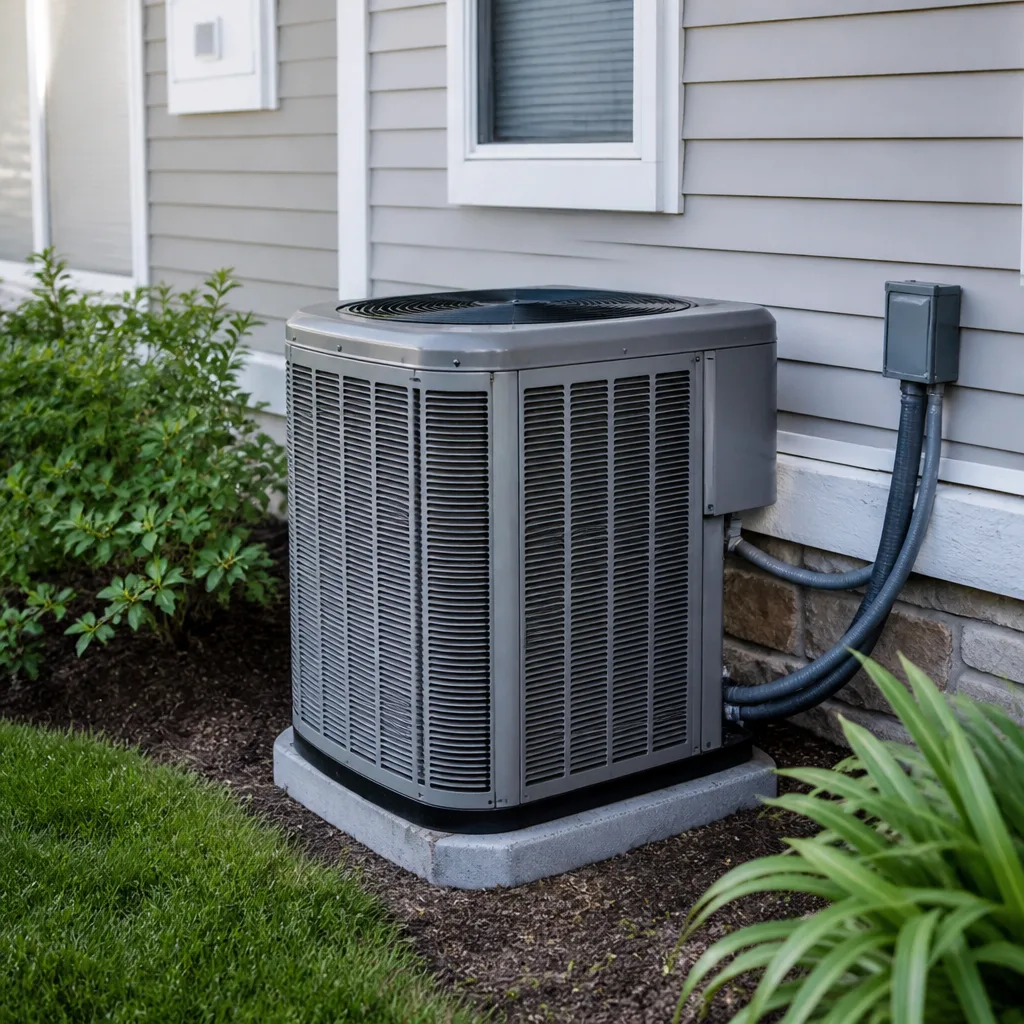 AC repair
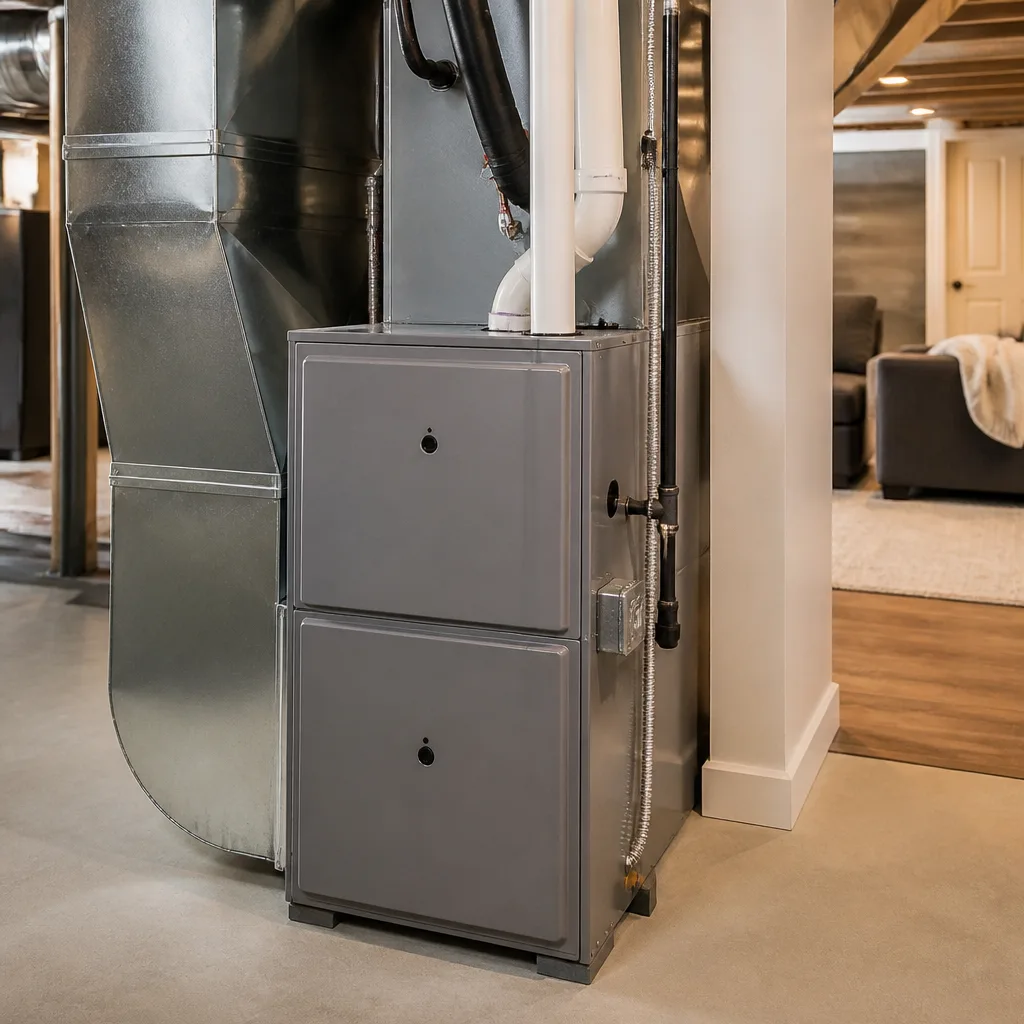 Furnace & heating
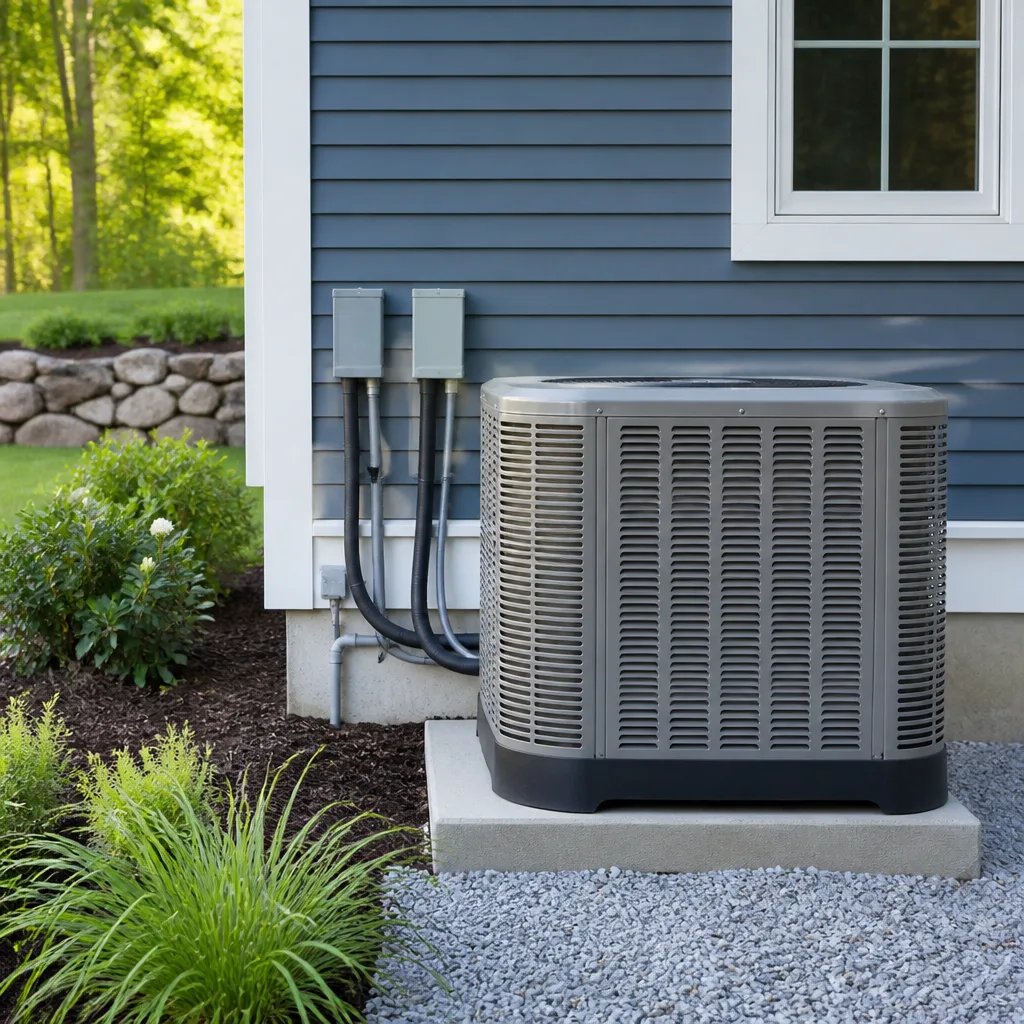 Heat pumps
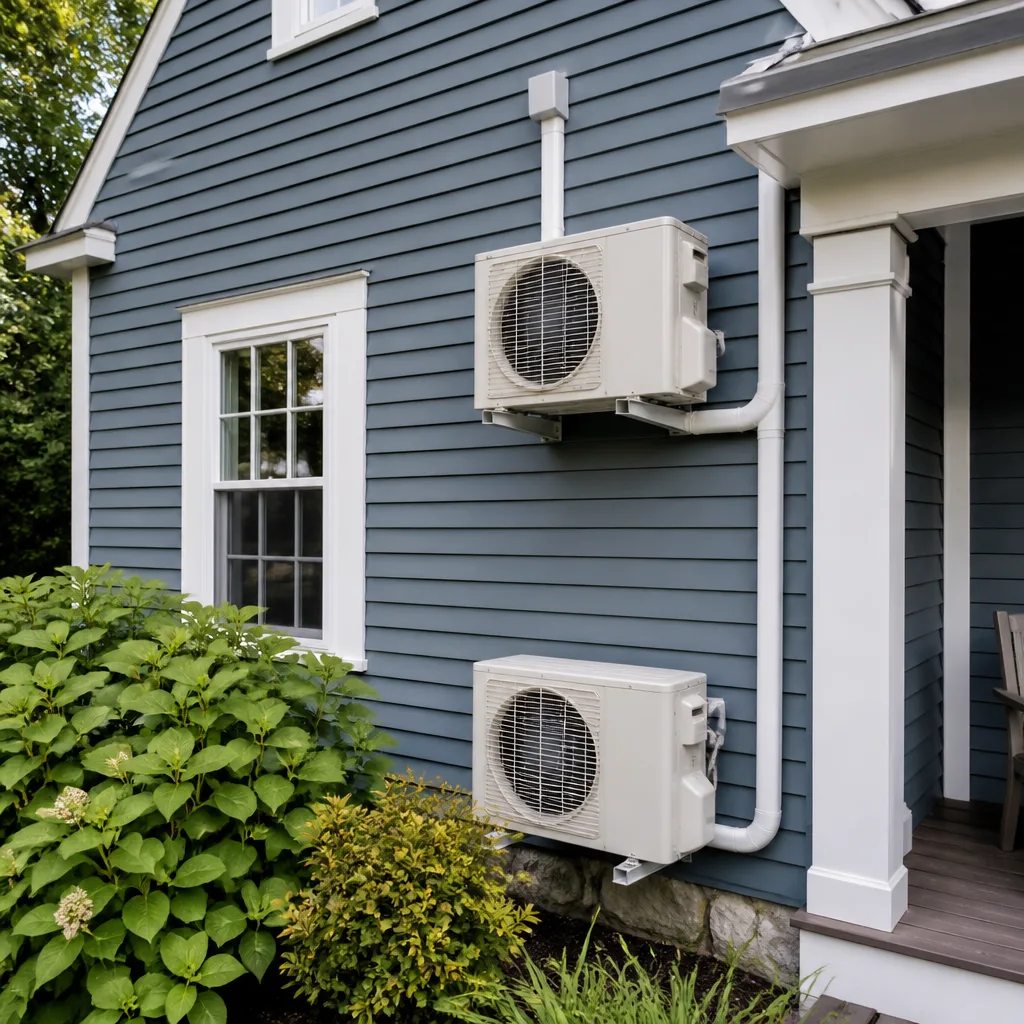 Ductless mini splits
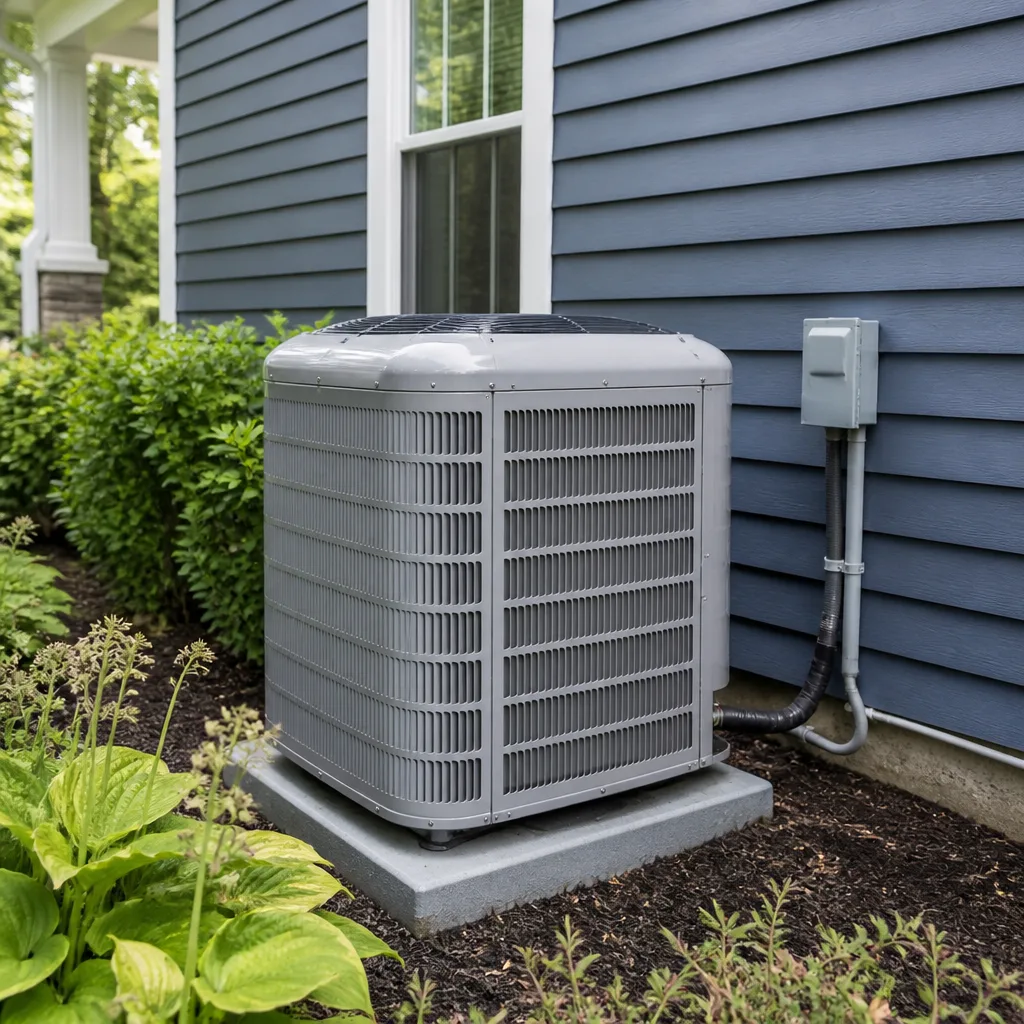 Carrier
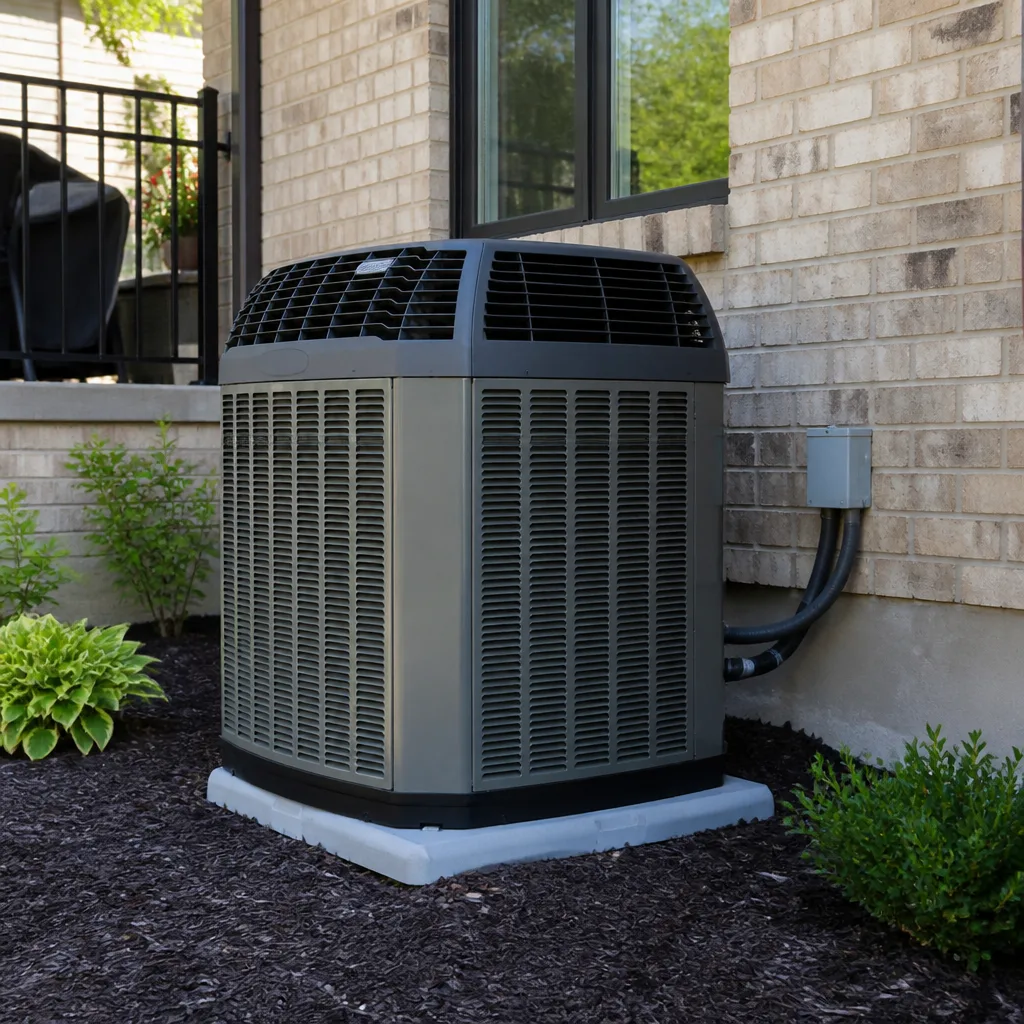 Trane
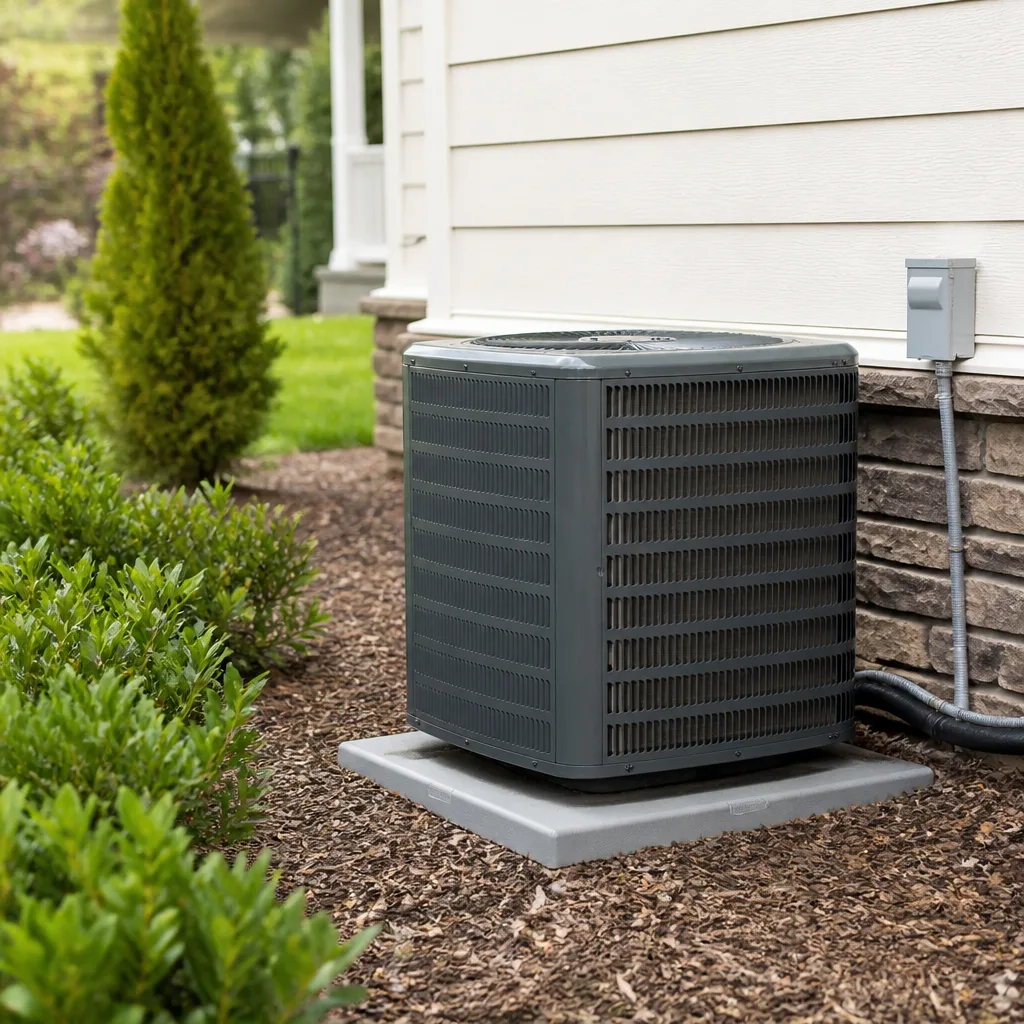 Goodman
Seasonal tune-up and full diagnostic on your Carrier, Trane, or Goodman system - readings shown to you before any repair is proposed
Diagnosis first, numbers second - you approve the repair price before a single part goes in.
Get your free estimateHVAC Cost Breakdown: The Burbank Homeowner’s Reference for 2026
The national average for a central AC replacement is frequently quoted at $5,000 to $7,000. In Burbank, that number rarely survives contact with a real job. Labor rates here run higher than the inland suburbs, permit and HERS testing fees are layered on top of the equipment, and refrigerant recovery and disposal aren’t optional line items you can wave away. The variables that push a comparable project from $7,500 toward $14,000 are almost entirely predictable once you know what to look for. This guide breaks down where every dollar goes on a Burbank HVAC project in 2026: equipment, labor, permits, testing, electrical upgrades, and the financing math that decides whether a new system actually pays for itself. Our technicians have up to experience, and we’ve walked Burbank homeowners through these numbers hundreds of times.
Quick Answer
A full AC replacement in Burbank in 2026 typically runs $7,500 to $14,000 for a standard single-family home, with the spread driven by system size, brand tier, permit and HERS testing costs, and whether the ductwork needs remediation. A straight furnace replacement usually lands between $4,500 and $9,000. Repair costs are a separate category and depend entirely on the failed component. The written estimate you receive after an on-site assessment sets the final price, not a quote tool or a phone guess.
Styles & brands we work with
- AC repair
- Furnace & heating
- Heat pumps
- Ductless mini splits
- Carrier
- Trane
- Goodman
Table of Contents
- Line-Item Breakdown: What You’re Actually Paying For
- Why Burbank Permits and HERS Testing Add $400 to $900
- Straight Replacement vs. Full System Replacement With Duct Remediation
- Financing Math: The 72-Month Loan vs. 10-Year Energy Savings
- Red Flags in a Low Quote
- Repair Costs: When Fixing Beats Replacing
- Brand Tier and What It Means for Your Quote
- How a Burbank Replacement Actually Goes, Step by Step
Line-Item Breakdown: What You’re Actually Paying For
A Burbank AC replacement quote is built from seven or eight distinct line items, and the total only makes sense when you see them separately. Equipment is the biggest single cost, but it’s far from the only one. Here’s how a typical $7,500 to $14,000 project splits out:
- Equipment (condenser and air handler or coil): $3,500 to $7,500 depending on tonnage and brand tier. A 3-ton Carrier or Trane unit sits toward the top of that range; a Goodman or similar value-tier system sits toward the bottom.
- Labor: $1,500 to $3,000 for a straight swap with no surprises. Burbank labor rates reflect the local cost of living and the technician time required for proper commissioning.
- Permit and HERS testing: $400 to $900. This is not a padded number – it’s a real fee stack from the city and a certified HERS rater who has to verify the installation.
- Refrigerant recovery and disposal: $150 to $400. Old refrigerant has to be recovered, logged, and disposed of through a licensed channel. The old equipment has to be hauled away.
- Line set and connections: $200 to $600 if the existing lines can’t be reused or need to be rerouted.
- Electrical: $0 to $1,200. If the existing panel or circuit can’t support the new unit, an electrician has to bring it up to code before the HVAC crew can commission.
- Thermostat and controls: $150 to $500 depending on whether you’re keeping the existing thermostat or upgrading to a smart model.
What surprises people most is the middle of that list. Permit and HERS costs are consistent and non-negotiable, and they’re the reason an online quote tool that estimates a Trane system at $6,200 from a national database will land $1,500 higher once a Burbank contractor puts pencil to paper. If you’re comparing quotes and one is dramatically lower than the others, check that every line above is accounted for. Missing items don’t disappear – they reappear as “additional charges” mid-project.
Why Burbank Permits and HERS Testing Add $400 to $900
Burbank requires a mechanical permit for AC and furnace replacement, and the permit isn’t the whole story. The city follows the state’s Title 24 energy code, which means a HERS (Home Energy Rating System) rater has to verify the installation before the job closes out. That rater is a third party, not the installing contractor, and their fee is baked into the project cost.
Here’s what the $400 to $900 covers in practice:
- City permit fee: assessed by system size and scope. A like-for-like replacement sits at the low end; a changeout that involves new ductwork or a different tonnage sits higher.
- HERS rater inspection: a field verification of refrigerant charge and airflow, required under Title 24 for new split-system installations.
- Final inspection scheduling: the contractor’s time to coordinate both the rater and the city inspector, plus any re-test if the first pass flags an issue.
This is the single biggest reason a quote comparison tool can’t tell you what a Burbank job costs. Those tools aren’t aware of the HERS requirement, so they omit it entirely. A contractor who quotes $6,800 for a Carrier changeout and a contractor who quotes $7,600 with permit and HERS itemized separately are often quoting the same job – one just showed their work. In our experience, the itemized quote is always the easier one to trust.
Ask every contractor to line out permit and testing separately. If they can’t or won’t, that’s your signal. While you’re at it, ask whether the final price is fixed or an estimate. A written fixed price protects you; a verbal range doesn’t. For more on how we handle the initial walk-through on these jobs, see our AC Repair Burbank service page.
Straight Replacement vs. Full System Replacement With Duct Remediation
Not every Burbank homeowner needs the full-scope job, and not every homeowner can get away with a straight swap. The difference comes down to what’s hidden above the ceiling: the ductwork.
A straight replacement means the existing ducts are sound, sealed, and correctly sized for the new equipment. The crew swaps the condenser and coil, reconnects the refrigerant lines, commissions the system, and closes the permit. If the ducts were installed well and haven’t degraded, this is the right call.
Duct remediation enters the picture when one or more of these is true:
- Visible gaps, disconnected flex runs, or crushed sections in the attic or crawlspace.
- R-6 or lower insulation on duct runs that sit in unconditioned attic space, where summer attic temperatures easily exceed 130°F and eat into system efficiency.
- Duct sizing that no longer matches the equipment. Many older Burbank homes were ducted for a smaller unit, and dropping a modern high-efficiency system onto undersized ducts erodes the efficiency you paid for.
- Refrigerant lines that run through unconditioned space without insulation, which leaks capacity before the air reaches a register.
Duct remediation in Burbank typically adds $2,500 to $5,500 depending on the number of runs and how much access the attic allows. That’s a real cost, and it’s often not necessary. But if the ducts are compromised, installing a brand-new high-SEER condenser on top of them means you paid for efficiency you can’t deliver. A technician who checks duct condition before he quotes the equipment is doing you a favor. A technician who quotes equipment without looking at the ducts isn’t.
Compact homes in the Magnolia Park and Rancho areas often have short, accessible duct runs that are straightforward to remediate. Larger homes toward the hills with longer runs and tighter attic clearance cost more to fix. Either way, it’s better to know before the job starts.
Financing Math: The 72-Month Loan vs. 10-Year Energy Savings
Financing an HVAC replacement is common in Burbank, and the math is worth understanding before a lender’s product sheet tells you a payment you like. A 72-month loan at a typical home-improvement rate spreads a mid-range job across six years. The monthly number looks modest. The total cost does not stay modest if you don’t compare it against the actual energy savings you’ll realize.
Here’s how we walk through the comparison:
- Total cost of the project including equipment, labor, permit, HERS, and any duct work. Call it the number on the written estimate.
- Monthly loan payment across 72 months, plus the interest paid over the life of the loan. Interest is a real cost, not a detail.
- Projected annual energy savings for the new system versus the one it replaces. This depends on the old unit’s efficiency, your thermostat habits, and Burbank’s climate – warm dry summers and mild winters limit the savings compared to a market like Phoenix or Fresno, because the system doesn’t run year-round the same way.
- Maintenance and repair avoided for the new system’s early years, which is real but hard to predict.
The honest answer most of the time: a 72-month loan over a $9,000 project will cost you more in interest than the first several years of energy savings will return. That’s not a reason to skip financing. It’s a reason to treat financing as a cash-flow tool, not an investment. If the old system is failing, the decision is a repair-versus-replace question, and the energy-savings piece is a bonus, not the justification.
What does move the needle on a Burbank utility bill: properly sealed ducts, a correctly sized system, and a thermostat programming schedule that matches how your household actually lives. We’ve seen homeowners chase high-SEER equipment when a $400 duct-sealing job would have delivered more savings. Get the free estimate on the whole scope before you decide the financing term.
Red Flags in a Low Quote
A low quote isn’t a scam on its face. Sometimes a smaller contractor has less overhead and can do the same job for less. But when a quote lands 25% below the others, look for missing line items. These are the ones that reappear later:
- No permit line item. If the quote doesn’t have a permit and HERS line, someone is planning to skip it or bill it later. Either way it’s a problem for you.
- No refrigerant recovery listed. Old refrigerant has to be recovered and disposed of legally. That’s not free, and it doesn’t go away because it wasn’t itemized.
- No disposal line item. Hauling away the old condenser and coil costs money. A missing line means you may be asked for it at the end.
- No electrical allowance. Older Burbank panels sometimes can’t support the new unit’s circuit. If the quote has no line for the possibility, that cost lands when the crew shows up.
- Vague equipment specs. “3-ton system” tells you nothing. You want manufacturer and model on the quote, so you know exactly what you’re paying for.
- No written warranty terms. Manufacturer warranty on parts is standard; labor warranty is not, and it varies by contractor.
- Cash-only or large upfront deposit with no written contract. Walk away. A written contract protects both sides.
Ask every contractor to list permit, HERS, recovery, disposal, and electrical separately. If the answer is “it’s all included in the total,” ask for the breakdown anyway. A contractor who runs a clean shop can show their work.
Repair Costs: When Fixing Beats Replacing
Repair costs are their own category and depend entirely on the failed component. As a rough Burbank 2026 reference for common jobs:
- Capacitor or contactor replacement: typically $180 to $340. A common summer failure and usually a same-day fix.
- Blower motor: typically $400 to $800 depending on motor type and access.
- Condenser fan motor: typically $350 to $650.
- Control board: typically $400 to $900 depending on the unit’s age and brand.
- Refrigerant leak search and repair: typically $350 to $1,200 depending on where the leak is and whether line set work is required.
- Furnace igniter or flame sensor: typically $200 to $450.
- Furnace heat exchanger: typically $800 to $1,800, and sometimes the case for replacement rather than repair depending on the rest of the unit’s condition.
The rule of thumb we work from: if a single repair exceeds roughly half the cost of a new system and the equipment is past the second half of its service life, replacement usually makes more financial sense. If the system is younger or the repair is a small one, repair. When we send a technician out on a furnace repair call, the job is to diagnose honestly and lay out both paths, not to steer you toward replacement. Fast diagnosis, honest options. For a broader view of how we approach AC service, our AC installation page covers the flip side of the decision.
Brand Tier and What It Means for Your Quote
Brand tier in HVAC breaks roughly into three bands, and understanding the differences matters for both your initial quote and your long-term repair costs.
Premium tier equipment from Carrier and Trane typically lands at the top of the equipment range. The build quality and parts availability are strong, and warranty coverage on premium lines tends to run longer. On the repair side, parts are widely stocked, so a five-year-old Carrier condenser is easy to service.
Mid-tier equipment from Lennox and Bryant sits a step below premium. The reliability difference between tiers is smaller than the price gap suggests, and for a properly sized and installed system, the practical difference over 15 years is less than marketing suggests.
Value tier equipment from Goodman and similar brands sits at the lowest end of the equipment range. The build is solid for the price, and the system will run reliably when installed correctly. What you may notice over time is shorter warranty rates on some components and slightly higher service frequency as the equipment ages.
The critical thing about brand: whichever system you buy, it will need service. A technician who works on your equipment brand specifically is faster and more accurate than one who has to learn the diagnostics on the job. We work on equipment from Carrier, Trane, Lennox, Goodman, Rheem, York, Daikin, Bryant, and American Standard, and we work on the system you already have whether or not it’s one we would have recommended. There’s no pressure to replace a working system with a preferred brand. If your existing Trane needs service, we service the Trane.
How a Burbank Replacement Actually Goes, Step by Step
A Burbank replacement is a multi-step project that spans more than a single day, and knowing the sequence helps you spot when a quote doesn’t line up with reality.
- On-site assessment and load calculation. A technician measures the home, inspects ducts, checks the electrical panel, and calculates the correct tonnage for the space. This is where a reputable quote comes from – not from square footage alone.
- Written fixed-price estimate. You receive a quote with equipment models, labor, permit, HERS, recovery, disposal, and any electrical allowance itemized. The written estimate sets the final price.
- Permit filing and equipment ordering. The contractor pulls the mechanical permit and orders the specified equipment. Depending on the brand and model, this can take several days to a couple of weeks.
- Install day. The crew removes the old condenser and coil, sets the new equipment, connects refrigerant lines and electrical, and commissions the system. Refrigerant recovery and disposal happen during this stage.
- HERS verification and city inspection. The HERS rater visits to verify refrigerant charge and airflow, and the city inspector signs off on the permit.
- Final walk-through. You get a system orientation, paperwork for the manufacturer warranty, and any registration documents.
That’s the standard sequence for a straightforward job. Duct work, electrical panel upgrades, or a change in equipment tonnage add steps and time. Set an install date when you sign, and don’t expect same-day installation on a full system replacement – that’s not how the process works, and a contractor who promises it is cutting corners on the load calculation or the inspection.
Common Mistakes to Avoid
- Size the system by square footage alone. Burbank homes vary widely in insulation, window quality, and orientation, so two houses on the same block can need different tonnage. A proper Manual J load calculation is the only way to get it right.
- Buy the highest-SEER equipment without sealing the ducts. An efficient condenser on leaky ducts wastes most of the efficiency gain. Money spent on duct sealing first usually delivers more savings per dollar than an upgrade in equipment tier.
- Accept a quote without a permit line item. The permit and HERS requirement isn’t optional. A quote that omits them is either incomplete or planning to skip the code.
- Skip the electrical check. Older Burbank panels sometimes can’t support a modern high-efficiency condenser. Finding out after the crew is on-site is more expensive than finding out before.
- Choose financing on monthly payment alone. A long term keeps the payment low and the total cost high. Understand the interest expense before you sign.
- Pay a large deposit in cash with no written contract. A signed contract with itemized scope protects you if the job goes sideways.
- Replace without checking on the old system’s warranty. Sometimes the existing equipment is still under manufacturer warranty on parts and the correct move is a repair rather than a replacement.
See the difference
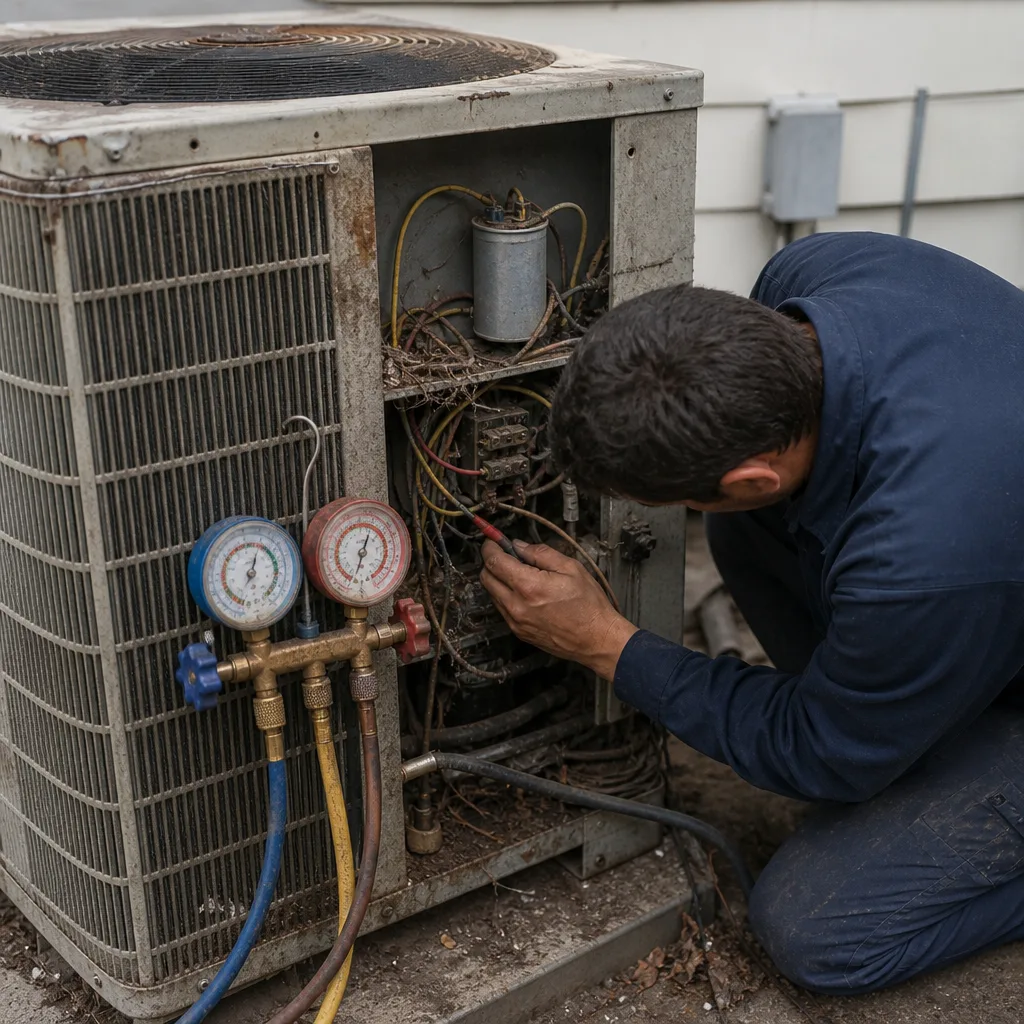 Before
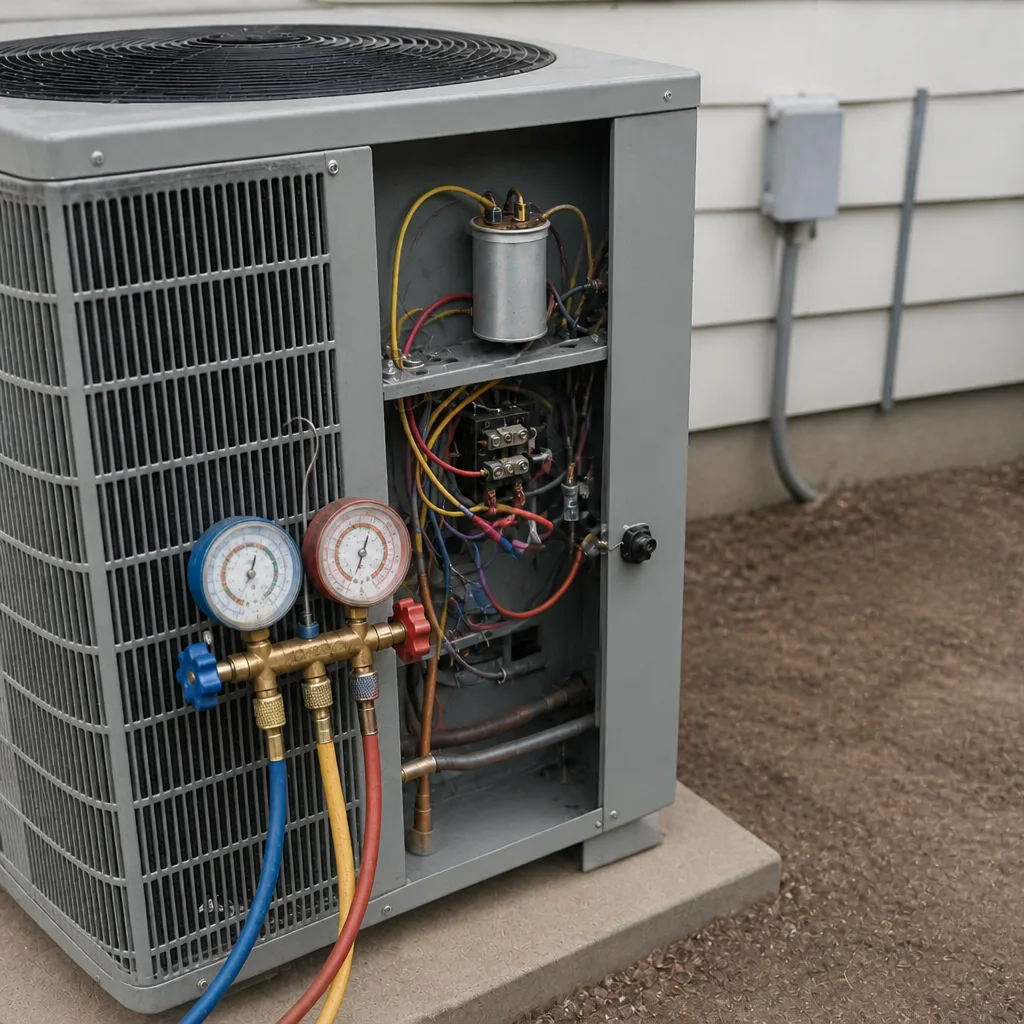 After
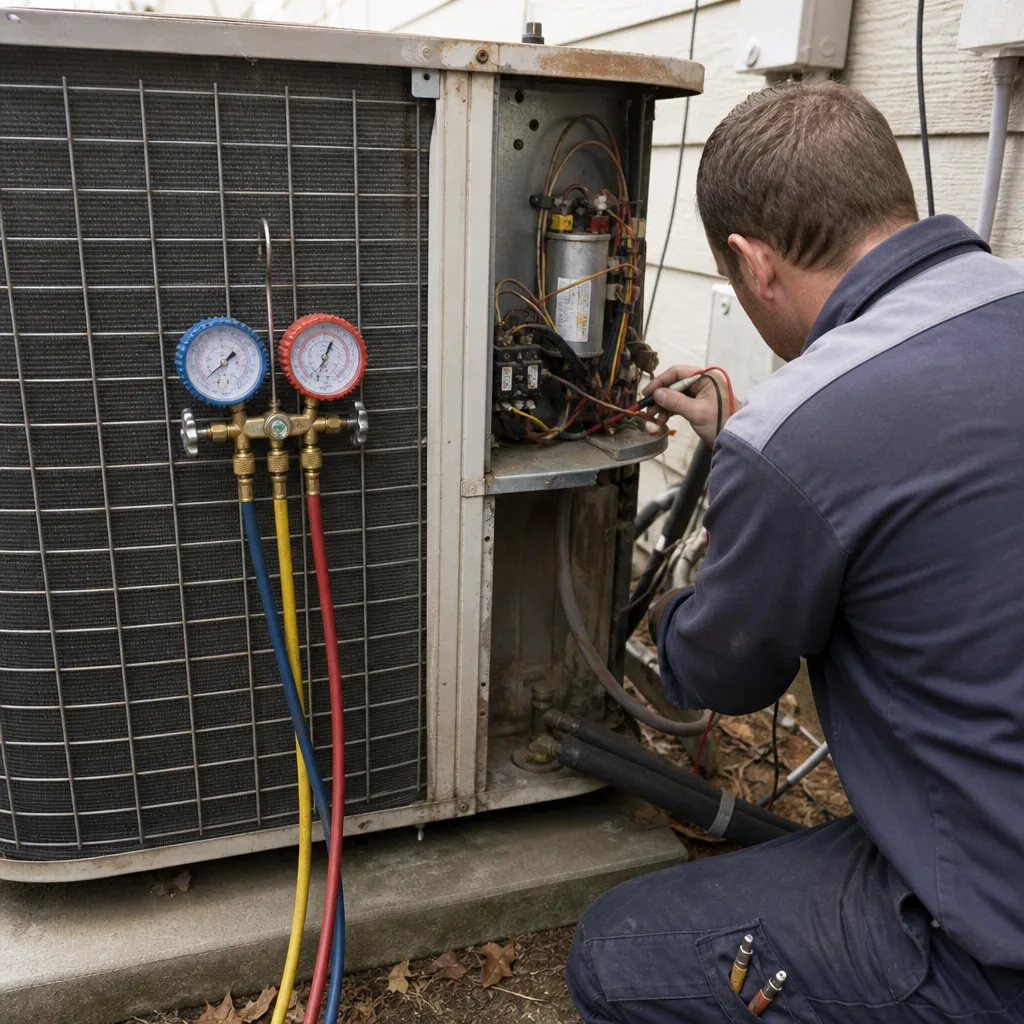 Before
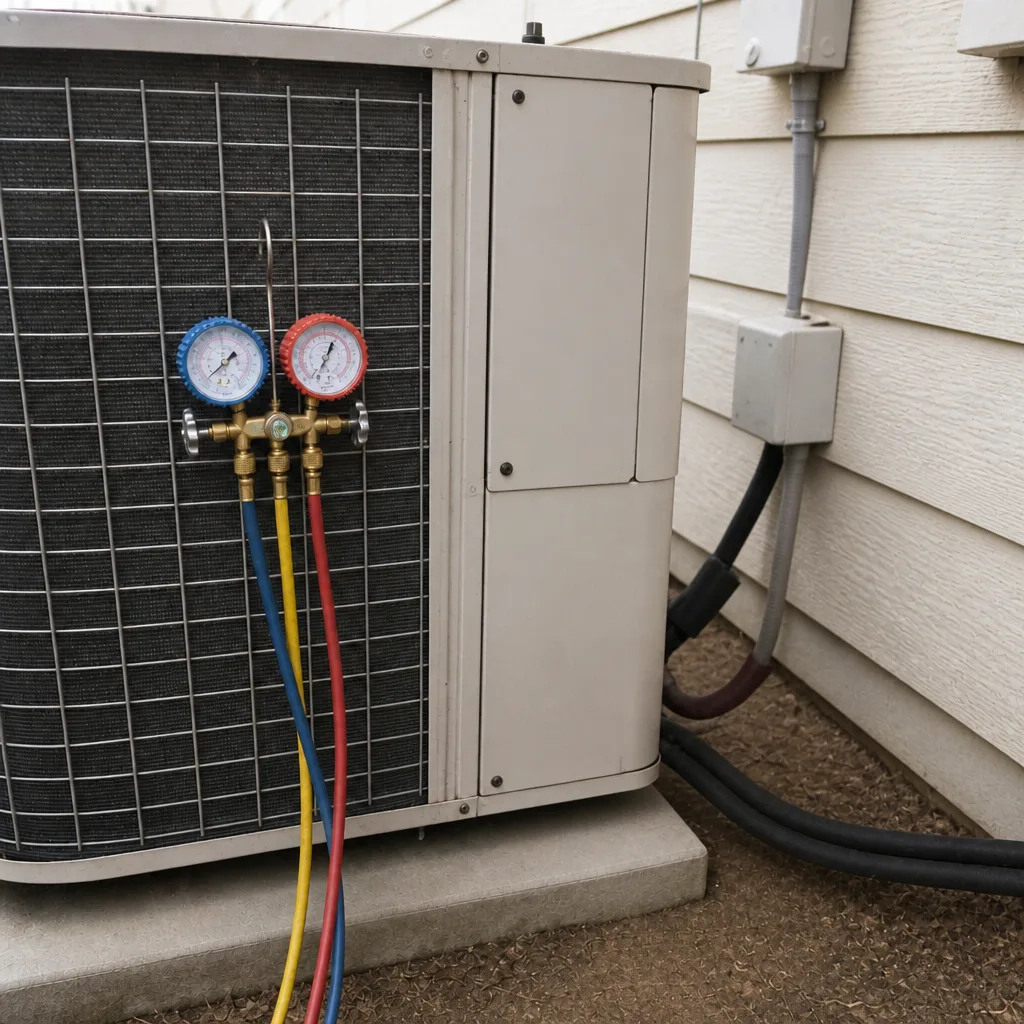 After
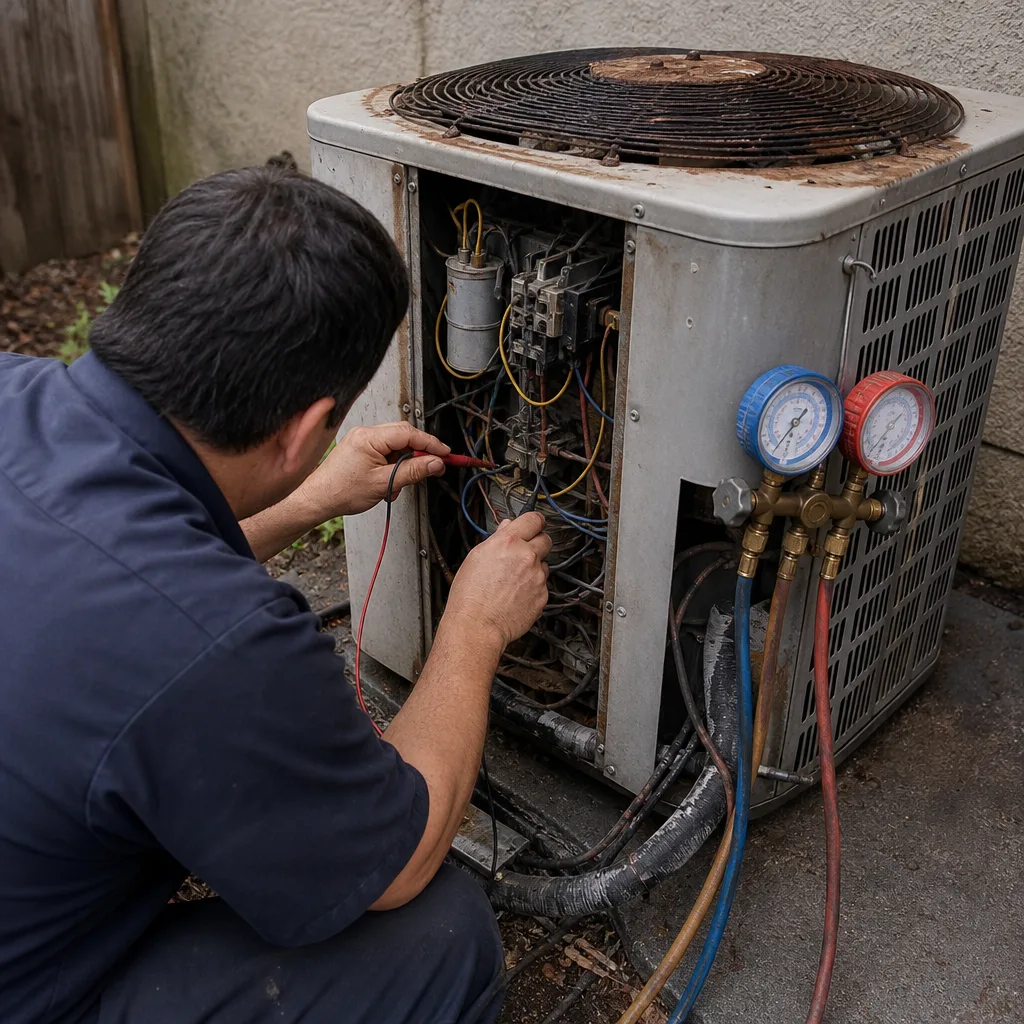 Before
 After
When to Call a Professional
Some HVAC issues are pure homeowner territory: replacing a thermostat battery, changing a filter, checking a tripped breaker. Everything else calls for a trained technician, and some things are genuinely dangerous. Refrigerant handling requires a licensed technician – the pressures and temperatures involved can cause serious injury and it’s illegal to vent refrigerant. Electrical work inside a panel or a condenser disconnect can be fatal if you don’t know what you’re doing. Gas line work on a furnace is a safety hazard if done wrong. When in doubt, stop and call.
Beyond safety, call a professional when: the system isn’t cooling as well as it used to, your energy bills have climbed without a change in usage, the system is making grinding or rattling noises, ice is forming on the refrigerant lines, or you’re simply unsure whether repair or replacement is the right call. AC Repair Burbank offers free estimates in Burbank – call (844) 962-2046. We answer 24/7. Fast dispatch from 7am to 7pm, Sunday through Friday.
Frequently Asked Questions
A full AC replacement in Burbank in 2026 typically runs $7,500 to $14,000 for a standard single-family home, with the range driven by system size, brand tier, permit and HERS costs, and any duct work. The written estimate after an on-site assessment sets the final price. Call (844) 962-2046 for an exact quote – estimates are free.
Three reasons: Burbank labor rates run above the national average, the city requires a mechanical permit and a HERS verification that together add $400 to $900, and refrigerant recovery and disposal are real line items that many national cost-estimate tools don’t include. Once those are added, the total lands in the range above.
Repair when the system is younger, the repair is a small component, and the equipment has remaining service life. Replace when a single repair exceeds roughly half the cost of a new system and the equipment is past the second half of its life, or when the compressor or heat exchanger fails on an older unit. We’ll tell you which one actually makes sense for your equipment. Call (844) 962-2046 for an exact quote – estimates are free.
Yes. Burbank requires a mechanical permit for AC and furnace replacement, and the state’s Title 24 energy code requires a HERS rater inspection after the installation. A quote that omits the permit line is incomplete. Ask your contractor to itemize permit and HERS costs separately so you can see what’s included.
A straight AC replacement typically takes one full install day plus a follow-up visit for HERS verification and city inspection. Duct remediation or an electrical panel upgrade adds days to the timeline. Full system replacement is scheduled, not same-day work. Call (844) 962-2046 for an exact quote – estimates are free.
Yes, many contractors offer 72-month financing on a replacement project, and the paperwork can be handled alongside the estimate. Understand the total cost of the loan including interest before you sign, and treat financing as a cash-flow tool rather than an investment that pays for itself through energy savings. Call (844) 962-2046 for an exact quote – estimates are free.
The Bottom Line
A Burbank HVAC replacement in 2026 belongs in the $7,500 to $14,000 range for a standard single-family home, and the spread is almost entirely predictable: equipment tier, permit and HERS testing, refrigerant recovery, disposal, and whether the ducts need remediation. A straight furnace replacement usually lands between $4,500 and $9,000. Repair costs are separate and depend on the failed component. The single biggest mistake is accepting a low quote without checking the line items – missing items reappear as “additional charges” once the crew is on-site. The written estimate sets the final price, and a free on-site assessment is the only honest way to get there.
If you’re ready to get a real number for your home, call AC Repair Burbank at (844) 962-2046 for a free estimate. We answer 24/7, fast dispatch runs from 7am to 7pm Sunday through Friday, and we work on the system you already have – whichever brand it is, from Carrier to Trane to Lennox to Goodman to Rheem to York to Daikin to Bryant to American Standard.
Written by the team at AC Repair Burbank.