
Last updated November 16, 2026
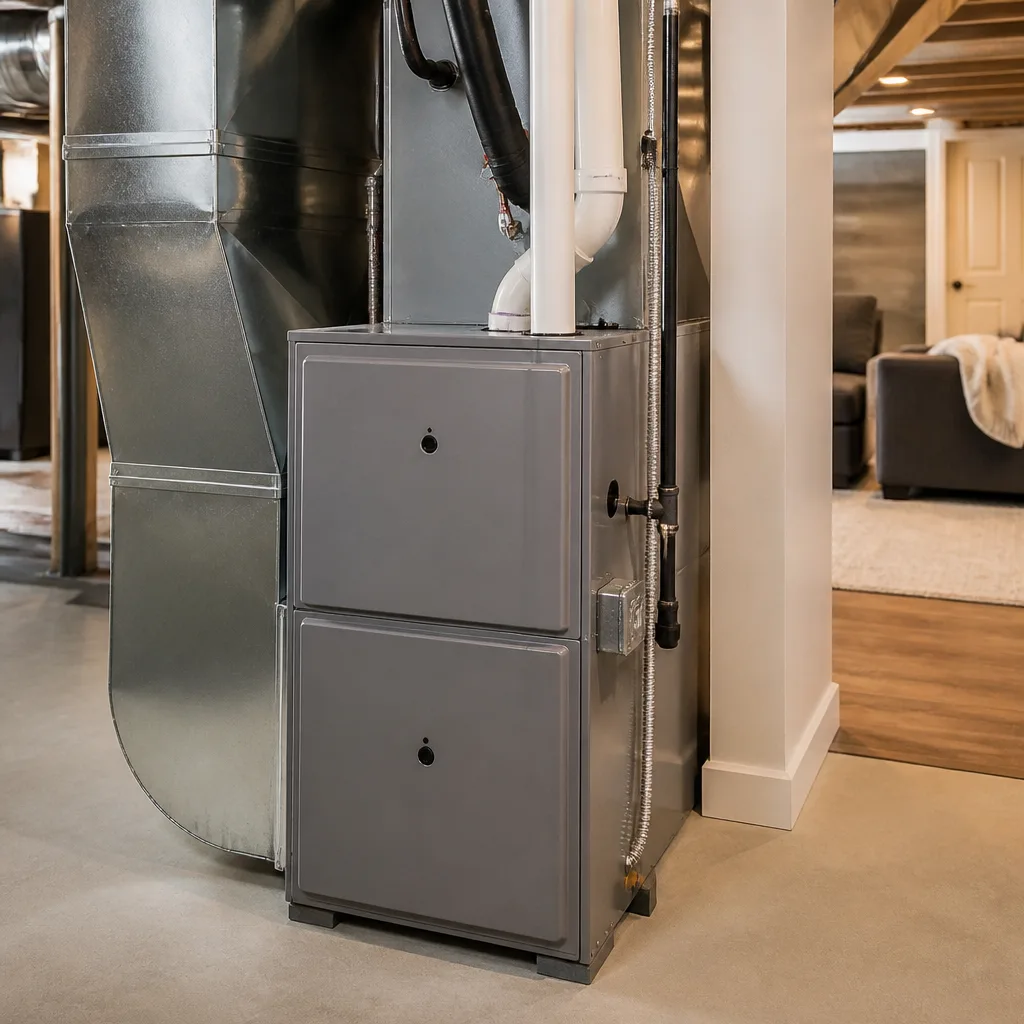 Furnace & heating
 AC repair
 Heat pumps
 Ductless mini splits
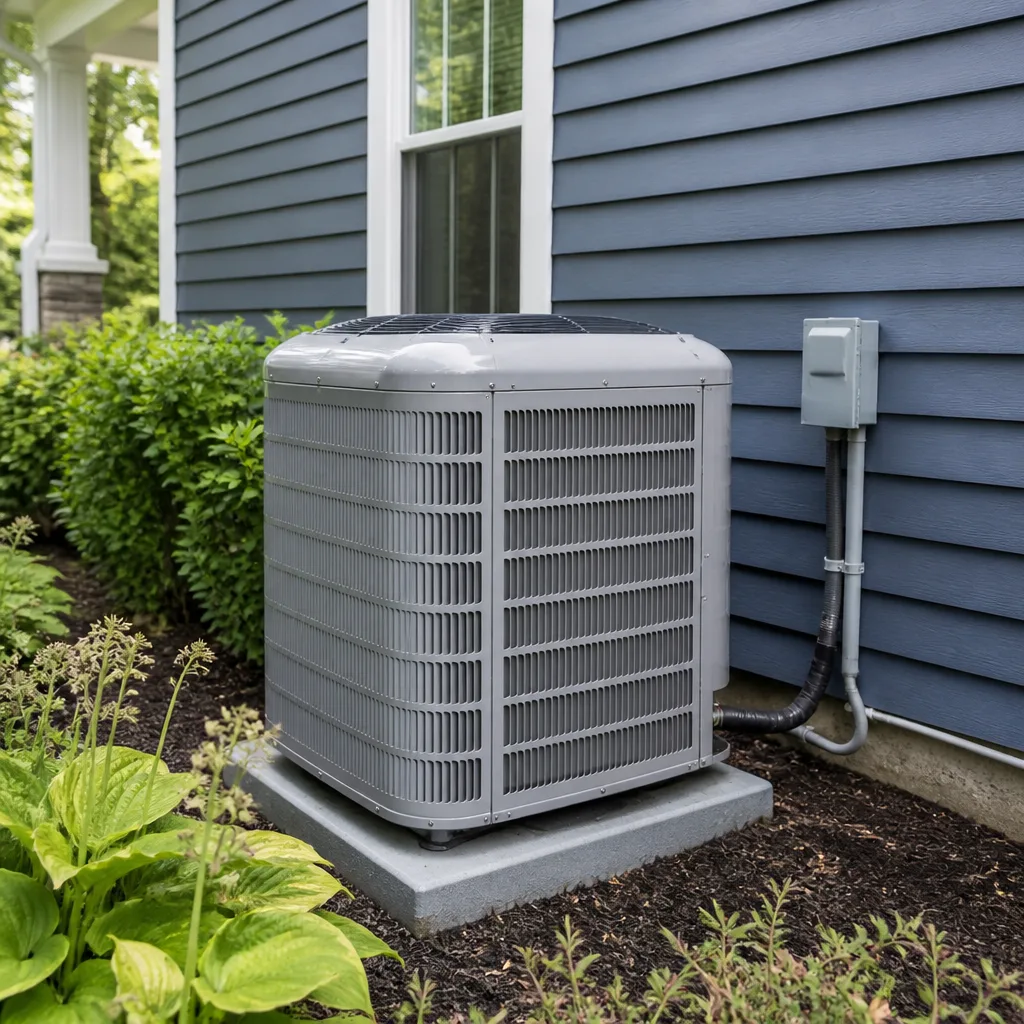 Carrier
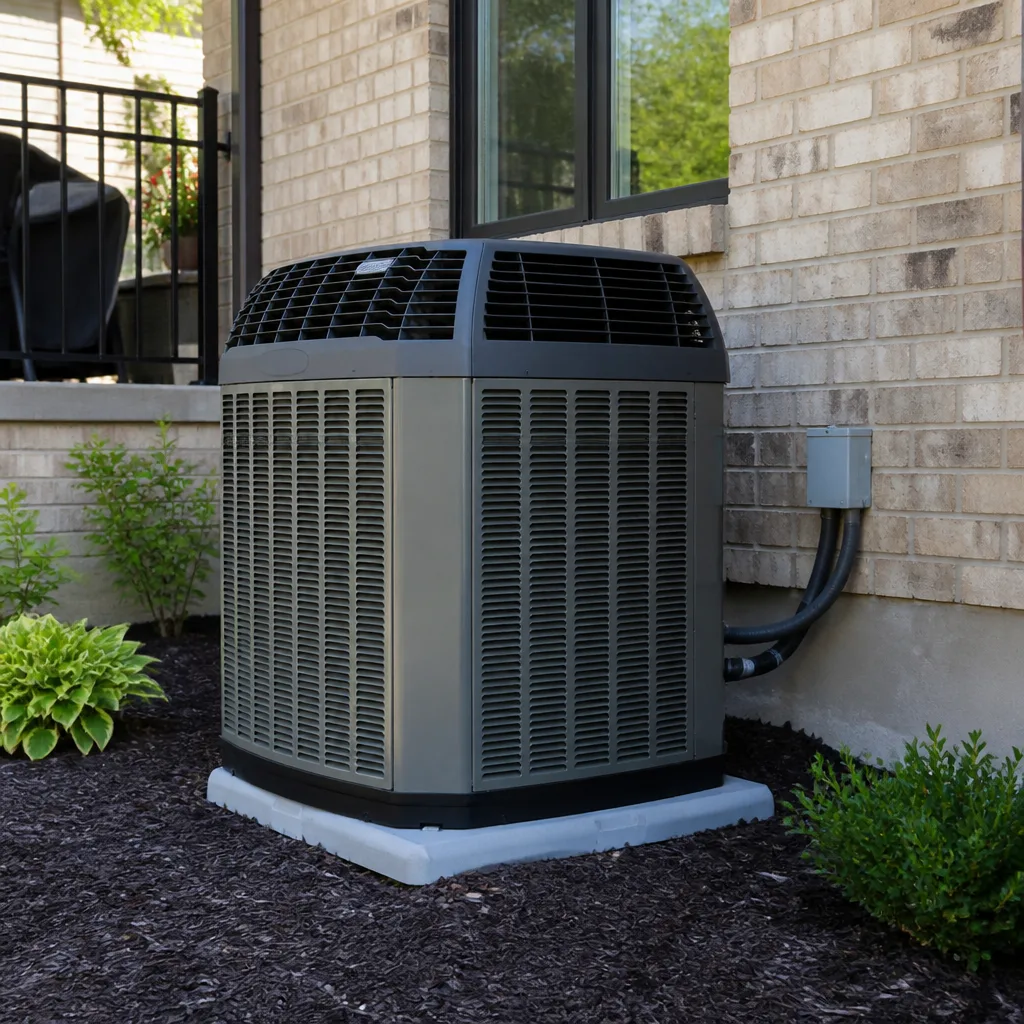 Trane
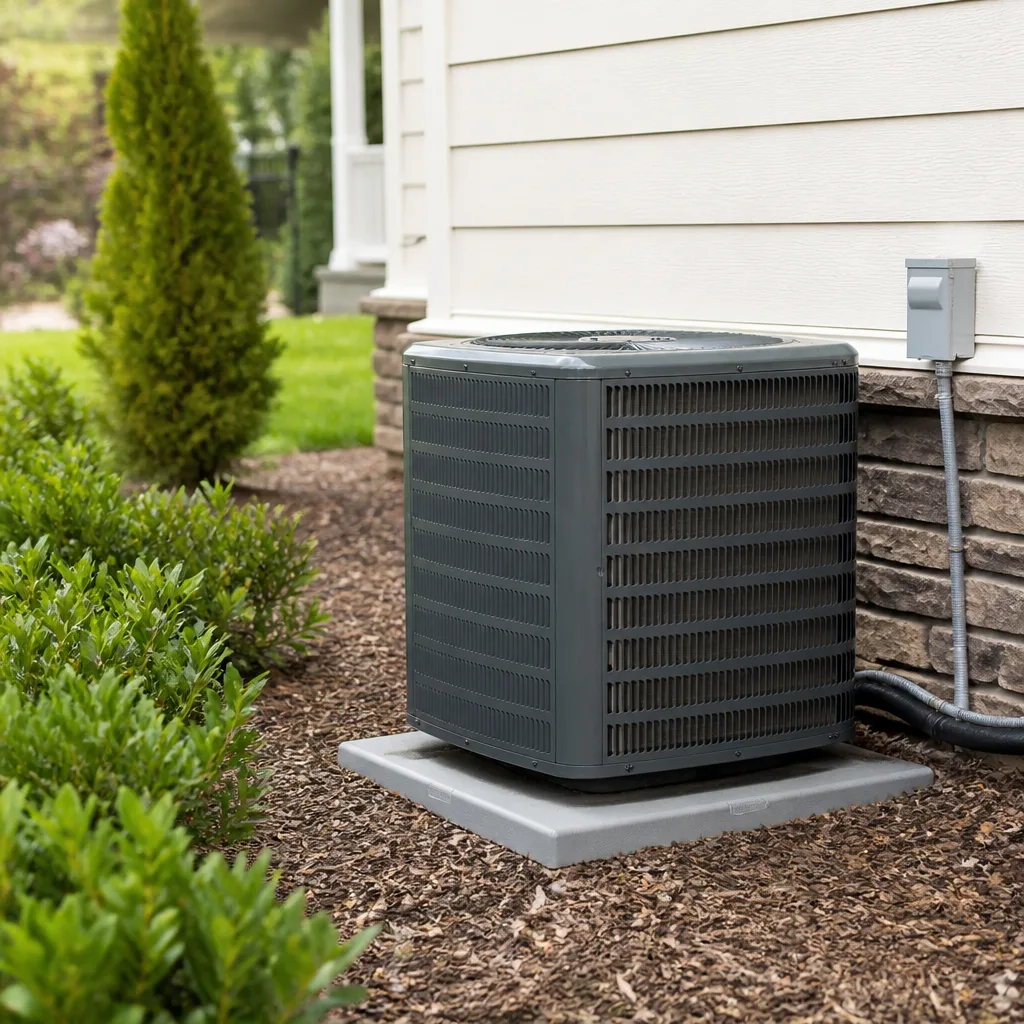 Goodman
Seasonal tune-up and full diagnostic on your Carrier, Trane, or Goodman system - readings shown to you before any repair is proposed
Diagnosis first, numbers second - you approve the repair price before a single part goes in.
Get your free estimateFurnace Replacement Maintenance Checklist for Burbank Homeowners
Here’s the part of furnace shopping nobody puts on the brochure: a 96% AFUE furnace dropped into a house with undersized return air will cycle harder, run hotter, and wear out faster than the 80% unit it replaced. The efficiency rating on the spec sheet is a laboratory number. It only becomes real when the ductwork, flue, and gas line around the furnace can actually support it. Most replacement checklists stop at the box in the closet. This one covers the whole system, which is where the expensive callbacks come from. We’ve put this together for Burbank homeowners who want to buy a furnace once and have it last, not spend the next two winters chasing problems a proper pre-install evaluation would have caught.
Quick Answer
A furnace replacement in Burbank goes well when you verify three things before signing: that your existing ductwork can handle the static pressure of the new blower, that the flue and venting are correctly sized for the AFUE rating you’re buying, and that your gas line has the BTU capacity for the new unit. Then protect the warranty with a filter baseline, a duct seal check, and a condensate trap inspection in the first year. Skip any of those steps and the efficiency you paid for never shows up on your gas bill.
Styles & brands we work with
- AC repair
- Furnace & heating
- Heat pumps
- Ductless mini splits
- Carrier
- Trane
- Goodman
Table of Contents
- Why the Furnace Is Only Half the System
- Checking Duct Static Pressure Before You Buy
- Flue and Venting Changes When You Move Up in AFUE
- Gas Line Pressure and BTU Capacity in Older Burbank Homes
- First-Year Maintenance That Protects Your Warranty
- Red Flags in a Contractor’s Scope of Work
- When to Replace Versus Repair
- What Brand Familiarity Actually Buys You
Why the Furnace Is Only Half the System
A furnace doesn’t heat your house. It heats air, and the duct system is what moves that air to the rooms. That distinction matters more in Burbank than in most places people think about, because a lot of the housing stock here went up in the 1950s and 1960s, when furnaces were smaller, blowers were weaker, and duct systems were sized by rule of thumb rather than by calculation. Sixty years later, homeowners are buying high-efficiency equipment designed for a duct system that was never built for it.
What happens when the mismatch goes unaddressed is predictable. The blower pushes against more resistance than it was designed for. Static pressure climbs. The furnace runs hotter than it should, the limit switch starts tripping, and the unit short-cycles. A furnace that short-cycles doesn’t just waste gas. It wears out the heat exchanger and the blower motor faster, and it can void a manufacturer’s warranty if the installation is found to be the cause.
That’s why a proper replacement evaluation in Burbank looks at four things together:
- The furnace itself – capacity, AFUE, blower type, and how it’s controlled
- The duct system – supply and return sizing, sealing, insulation, and static pressure
- The venting – whether the existing flue can handle the new unit or needs to change entirely
- The gas supply – line size, pressure, and whether the meter and piping can feed the new appliance
Any contractor who quotes a replacement without looking at all four is quoting a box, not an installation. This is the single biggest gap we see in Burbank, and it’s the reason the rest of this guide is organized the way it is.
Checking Duct Static Pressure Before You Buy
Static pressure is the resistance air meets as it moves through the duct system. It’s measured in inches of water column, and it’s the number that tells you whether your ducts can support the furnace you’re about to buy. A modern variable-speed blower is a wonderful piece of equipment, but it can only push so hard before it runs into back pressure from undersized returns, crushed flex duct, or a filter grille that’s too small.
The measurement takes a technician about fifteen minutes with a manometer. It should happen before you sign, not after the new furnace is bolted in. Here’s the sequence we walk through:
- Baseline the existing system. Measure static pressure at the supply plenum and the return plenum on the current furnace. Compare the total to the equipment’s rated maximum.
- Inspect the return path. Count the return grilles, measure the filter rack, and look at the return duct runs. Older Burbank homes frequently have a single undersized return serving the whole house.
- Check the filter. A restrictive filter in a too-small rack will spike static pressure on its own. Verify the filter size matches the furnace’s rated airflow.
- Look for crushed or disconnected ducts. Flex duct that’s kinked, sagging, or disconnected in the attic or crawlspace raises resistance across the whole system.
- Project the new furnace’s airflow. Match the proposed equipment’s CFM rating against what the ducts can actually deliver without exceeding the manufacturer’s maximum external static pressure.
If the numbers come back high, you have options: seal and resize a few key returns, upgrade the filter rack, or select a different furnace with a blower curve that fits your system better. None of those decisions can be made after the fact without pulling equipment back out. In our experience, this one measurement prevents more first-year callbacks than any other step in the process.
If your existing system is limping along while you plan the replacement, furnace repair can keep the heat on in the meantime. Just make sure the repair decision is made with the replacement plan in view, not in isolation.
Flue and Venting Changes When You Move Up in AFUE
This is the checklist item most often skipped, and it’s the one that catches homeowners by surprise. Furnaces at 80% AFUE vent through a traditional metal flue, usually a Type B vent that goes up through the roof. Furnaces at 90% AFUE and above condense their exhaust, which means they vent through PVC pipe, produce liquid condensate that has to drain somewhere, and use a completely different venting scheme.
You cannot simply swap an 80% furnace for a 96% furnace and reuse the old flue. The venting has to change with the equipment. That’s a real cost, and it has to be in the estimate, not discovered mid-install.
What the change involves:
- New PVC venting. Two pipes, typically one for intake air and one for exhaust, routed to an appropriate termination point through a wall or roof. Routing has to respect clearances from windows, doors, and other appliances.
- A condensate drain. The furnace produces water as it condenses exhaust, and that water has to drain to a suitable location through a trap. If the furnace sits somewhere without a gravity drain path, a condensate pump is added.
- Condensate trap maintenance. The trap is part of the system now, and it needs checking, especially in the first heating season. A blocked or dry trap can shut the furnace down.
- Abandoned or repurposed flue. If the old metal flue stays in place, it either needs to be properly sealed or removed depending on the configuration, and any other appliance sharing it has to be checked for continued safe venting.
If you stay at 80% AFUE, the existing flue may still be usable, but it should be inspected for condition and sized against the new furnace’s venting requirements. Venting is a combustion safety issue, not a convenience item. Get it right on paper before the install date, and the transition is uneventful. Skip it, and you can find yourself with a code issue or a failing draft in the middle of the heating season.
Gas Line Pressure and BTU Capacity in Older Burbank Homes
A new furnace may pull more gas than the old one did, and the gas line serving it may not have been sized for the larger load. This is a quiet problem. The furnace lights, runs, and heats the house – until it doesn’t. Undersized gas supply shows up as rough ignition, flame rollout, or pressure-drop faults during a call for heat, and none of those symptoms point obviously at the gas line unless someone thinks to measure.
The checks that belong in a furnace replacement scope in Burbank:
- Verify the meter capacity. The gas meter serving the house has a rated capacity, and adding a larger furnace plus a water heater plus a range and dryer can push past it.
- Measure inlet gas pressure. Static and dynamic pressure at the furnace inlet, compared to the manufacturer’s required range, tells you whether the line is delivering what the furnace needs under load.
- Check the line size against the run. Long runs of small-diameter pipe lose pressure. Older homes with the furnace at the far end of a long run are the ones most likely to need an upgrade.
- Confirm the manifold pressure after install. The furnace’s internal gas valve has to be adjusted to the correct manifold pressure, and that has to be verified at commissioning, not assumed.
- If the line needs to change, that’s a call for a licensed gas professional. Gas piping is not a DIY item, and it’s not something to let an installer skip because the old line “looked fine.”
Gas work sits on the safety side of a furnace replacement, and we treat it that way. If anything in the gas supply looks marginal, we recommend a licensed gas contractor evaluate it before the install date, not during it.
First-Year Maintenance That Protects Your Warranty
Manufacturers require documented maintenance in order to honor a warranty on parts, and the first year of a new furnace is when the installation is either proven or found wanting. What most homeowners don’t realize is that the first-year checks are as much about the installation as they are about the equipment. They’re how you catch the problems the install evaluation was supposed to prevent.
These are the tasks to put on the calendar for the first heating season:
- Filter baseline. Record the filter’s size, MERV rating, and install date. Check it at 30 days, then set a replacement interval based on how dirty it actually gets. A filter that loads up in three weeks is telling you something about the duct system.
- Duct seal inspection. Look at the connections at the plenum, the takeoffs, and any accessible joints. Tape and mastic fail, and small leaks at the plenum cost more than leaks farther downstream. A technician can measure duct leakage if it’s a concern.
- Condensate trap check (high-efficiency units). Confirm the trap is filled, the drain is flowing, and there’s no standing water around the furnace. Clean or clear the trap if needed.
- Static pressure recheck. Compare the post-install static pressure to the numbers from the pre-install evaluation. If it’s higher than projected, the ductwork needs attention sooner rather than later.
- Temperature rise verification. Measure the temperature difference between return air and supply air and compare it to the manufacturer’s specified range. Out-of-range temperature rise is a red flag.
- Combustion check. A combustion analyzer reading confirms the furnace is burning cleanly and venting properly, which is both a safety check and a warranty-protection step.
That last item matters for safety as well as warranty. A furnace that isn’t venting properly can produce carbon monoxide, and the only way to know is to measure. Don’t skip it.
Red Flags in a Contractor’s Scope of Work
The scope of work is where a good installation and a bad one start to diverge. If the written scope is a single line item that says “replace furnace with new 96% unit,” that’s a warning sign. A real furnace replacement scope in Burbank should be specific about what’s being added, removed, and checked. Here’s what to look for.
Red flags in a replacement scope:
- No mention of ductwork. A scope that replaces the furnace without evaluating the ducts, returns, or filter is a scope that assumes the existing system is adequate. Sometimes it is. It should still be checked and stated.
- No static pressure measurement. If nobody measured it during the estimate, they’re guessing about airflow, and guessing is how you get a furnace that short-cycles.
- No venting plan. Every replacement quote should say what happens to the flue, whether it’s reused, replaced, or converted to PVC, and where the new vent terminates.
- No gas line review. If the scope says nothing about gas pressure or line size, that’s a gap.
- No commissioning steps. Proper commissioning includes temperature rise, gas manifold pressure, static pressure, and combustion analysis. If those aren’t in the scope, they may not happen.
- No permit discussion. Most cities require a permit for a furnace replacement. Ask your city’s building department what applies to your address and make sure the scope accounts for it.
- A price that seems unusually low. The difference usually shows up somewhere – in the venting, the commissioning, or the duct evaluation – and it will show up eventually.
If you get a scope that covers all of those points, you’re working with someone who treats the whole system as the project. If you get a one-line quote, ask questions before you sign.
When to Replace Versus Repair
Not every failing furnace needs to be replaced, and not every working furnace is worth repairing. The right answer usually becomes clear once you have a diagnosis, and the diagnosis should include the system factors this guide covers, not just the furnace itself. Waiting for a furnace to fail completely in the middle of a Burbank cold snap is the worst time to make the decision, so if you’re seeing warning signs, get ahead of it.
The factors that point toward replacement:
- Age and diminishing returns. A furnace near the end of its expected service life with a major repair coming is usually a candidate for replacement, though the decision depends on the condition of the rest of the system.
- A cracked heat exchanger. This is a safety issue, not a repair decision. A cracked heat exchanger can allow combustion byproducts into the supply air, and the furnace should be taken out of service until it’s evaluated.
- Repeated repairs on the same component. Three failures of the same part in two seasons is the system telling you something.
- Rising energy bills with no other explanation. A furnace losing efficiency is often losing it slowly, so a steady climb is worth investigating.
- Comfort problems that aren’t the furnace’s fault. If half the house is cold and the other half is warm, the furnace may be fine and the ducts may need attention. Replacing the furnace won’t fix it.
Our position on this is simple: whether it needs a repair or a full replacement, we’ll tell you which one actually makes sense, and give you the reasoning behind the recommendation. That’s how we approach the call on every Burbank home we look at.
What Brand Familiarity Actually Buys You
Brand familiarity isn’t about loyalty to a manufacturer. It’s about how quickly a technician can diagnose a problem and how confidently they can recommend the right replacement. Every brand has its own design quirks, its own parts availability, its own control boards and sequence-of-operation quirks. A technician who has worked on Carrier, Trane, Lennox, Goodman, and the other major brands understands those differences and doesn’t have to learn on your equipment.
We work on the system you already have, whether it’s a Trane or a Lennox, a Goodman or a Carrier. That’s the approach behind AC installation too, since a lot of Burbank homeowners are replacing heating and cooling equipment in the same project. If the cooling side is due, it pays to look at the whole system at once, and there’s more on that at our AC Repair Burbank home page.
Brand-agnostic service means we don’t nudge toward one label. If your existing Carrier is a good fit for a new high-efficiency replacement, we’ll say so. If a Lennox or Goodman model is the better match for your duct system and budget, we’ll say that instead. The recommendation should fit the house, not the sales sheet.
Common Mistakes to Avoid
- Buying on AFUE alone. A high-efficiency rating is only worth paying for if the duct system, venting, and gas line can support it. The spec sheet sells the furnace; the installation makes it work.
- Skipping the static pressure test because the old furnace “worked fine.” The old furnace was designed for the old ductwork. New equipment with a different blower can behave very differently in the same system.
- Assuming the existing flue will work for a 90%+ AFUE furnace. It won’t. High-efficiency furnaces vent through PVC and need a condensate drain. That cost has to be planned for.
- Not budgeting for a permit. Most cities, Burbank included, require a permit for furnace replacement. Ask your city’s building department what applies to your address and confirm the contractor’s scope covers it.
- Replacing the furnace while ignoring a leaky duct system. If the ducts leak, the efficiency of the new furnace walks right out of the house. Sealing and evaluating ducts is part of a proper replacement.
- Choosing the low bid without checking the commissioning steps. The cheapest installation is the one where temperature rise and combustion analysis were skipped. That’s the one that comes back six months later.
- Waiting until the furnace fails in winter to make the decision. The choice between repair and replacement is easier to make in the fall with time to plan than in the middle of a cold week.
See the difference
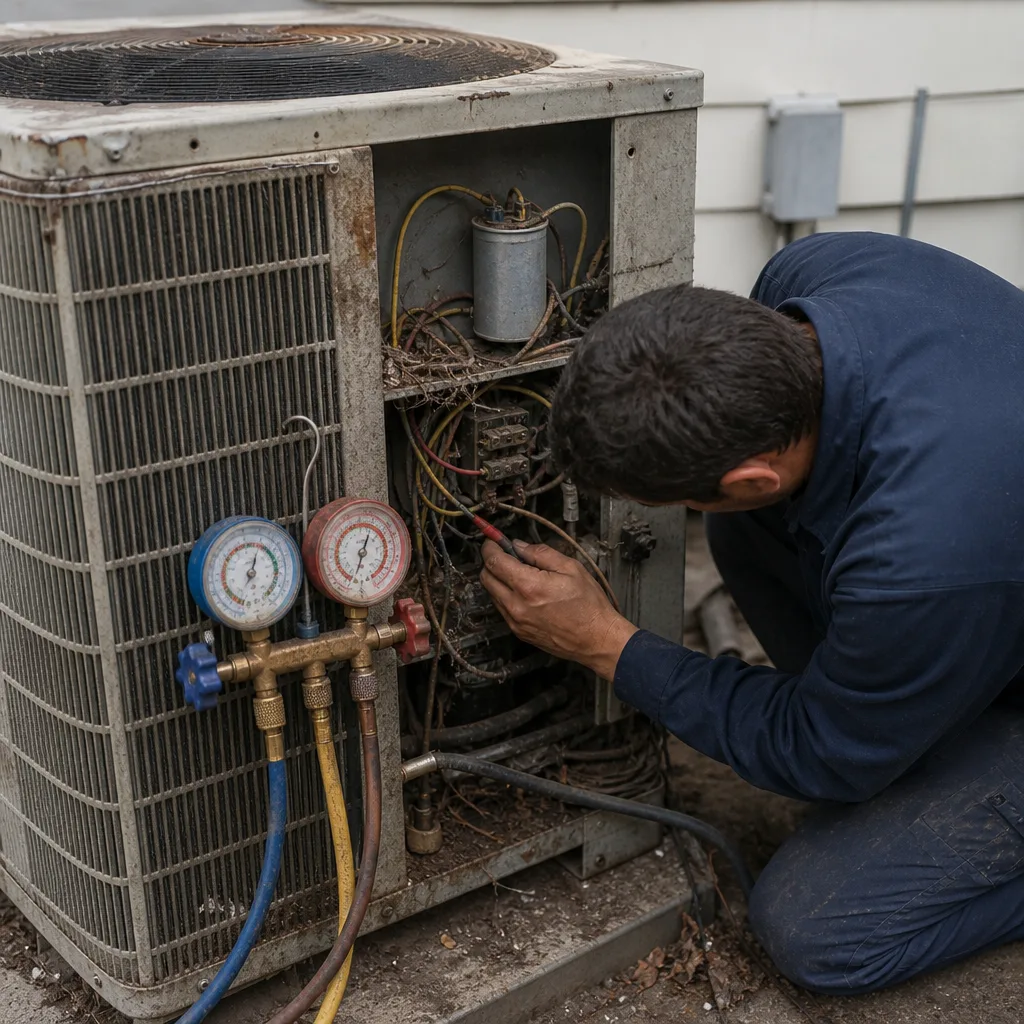 Before
 After
 Before
 After
 Before
 After
When to Call a Professional
Some furnace problems are worth calling a professional for right away. A furnace that smells like gas, shows flame rollout, or has been tripping the limit switch repeatedly needs to come out of service until it’s evaluated. A cracked heat exchanger is a stop-use issue, not something to monitor. A furnace that short-cycles or won’t hold temperature against a Burbank cold spell needs a proper diagnosis, not another filter change. And if you’re planning a replacement, the pre-install evaluation itself – static pressure, venting, gas supply – is where a professional’s time is best spent. AC Repair Burbank offers free estimates in Burbank – call (844) 962-2046. We answer 24/7. Fast dispatch from 7am to 7pm, Sunday through Friday. Our technicians have up to experience and are certified to work on nine major HVAC brands, including Carrier, Trane, Lennox, and Goodman.
Frequently Asked Questions
Furnace replacement cost in Burbank varies with the equipment you choose, whether the flue needs to change, and what the ductwork, gas line, and venting evaluations turn up. Replacing an 80% furnace with another 80% unit using the existing flue costs less than moving to a 90%+ AFUE furnace that requires new PVC venting and a condensate drain. The written estimate is the number that counts, and it’s free. Call (844) 962-2046 for an exact quote.
Most cities require a permit for a furnace replacement, so check with the City of Burbank’s building department for the rule that applies to your address. A proper replacement scope should account for the permit and any related inspections. Ask your contractor how the permit will be handled before you sign. Call (844) 962-2046 if you want to talk through what a Burbank replacement scope should include.
No. A 90% or higher efficiency furnace vents through PVC and produces condensate, so the existing metal flue has to be replaced with a new venting system and a condensate drain has to be installed. That’s part of the cost of moving up in efficiency, and it needs to be in the estimate. Call (844) 962-2046 for a free estimate on your specific configuration.
Record a filter baseline and check it at 30 days, inspect the duct seals at the plenum and accessible joints, verify the condensate trap is draining (on high-efficiency units), recheck static pressure against the pre-install numbers, verify temperature rise against the manufacturer’s specification, and get a combustion check. Those steps protect the warranty and catch installation problems early. Call (844) 962-2046 to schedule a first-year checkup.
You won’t know for sure without measuring static pressure on the existing system before the new furnace is selected. A technician measures supply and return static pressure, checks the return grilles and filter rack, and compares the total to the new furnace’s maximum external static pressure rating. Do that before you sign, not after the install. Call (844) 962-2046 to book the evaluation.
Not always, but it needs to be checked. A larger furnace may draw more gas than the old one, and older Burbank homes sometimes have gas piping that wasn’t sized for the load. A qualified contractor verifies meter capacity, line size, and dynamic pressure at the furnace before the install. If the gas line needs work, that’s a job for a licensed gas professional. Call (844) 962-2046 for a free estimate and evaluation.
The Bottom Line
The furnace is one part of a system that includes the ducts, the venting, the gas supply, and the first-year maintenance. Get the static pressure measured, plan the venting change if you’re moving to high efficiency, verify the gas line, and put the first-year checks on the calendar before the install. Those four steps prevent almost every callback we see. If you’re planning a furnace replacement in Burbank, get the evaluation done before the purchase, not after. Call (844) 962-2046 for a free estimate. We answer 24/7. Fast dispatch from 7am to 7pm, Sunday through Friday.
Written by the team at AC Repair Burbank.