
Last updated November 16, 2026
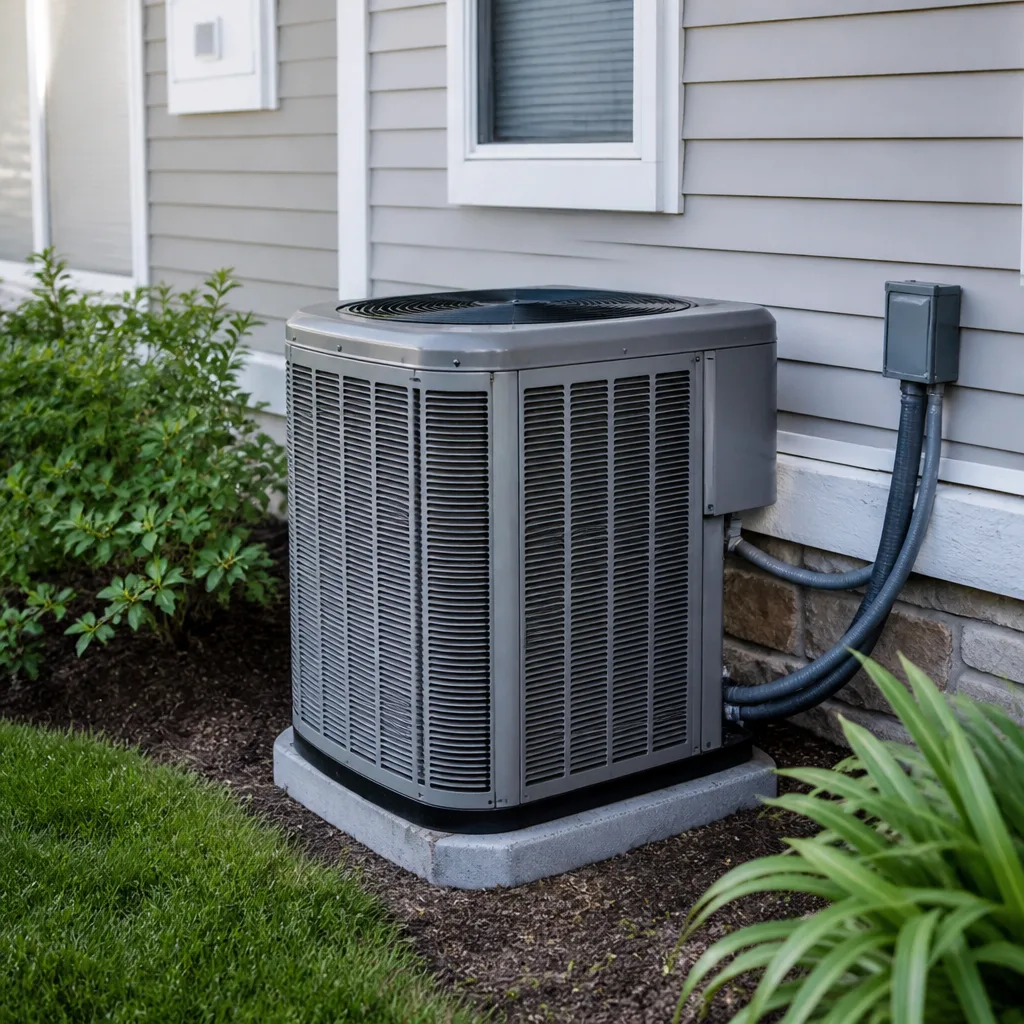 AC repair
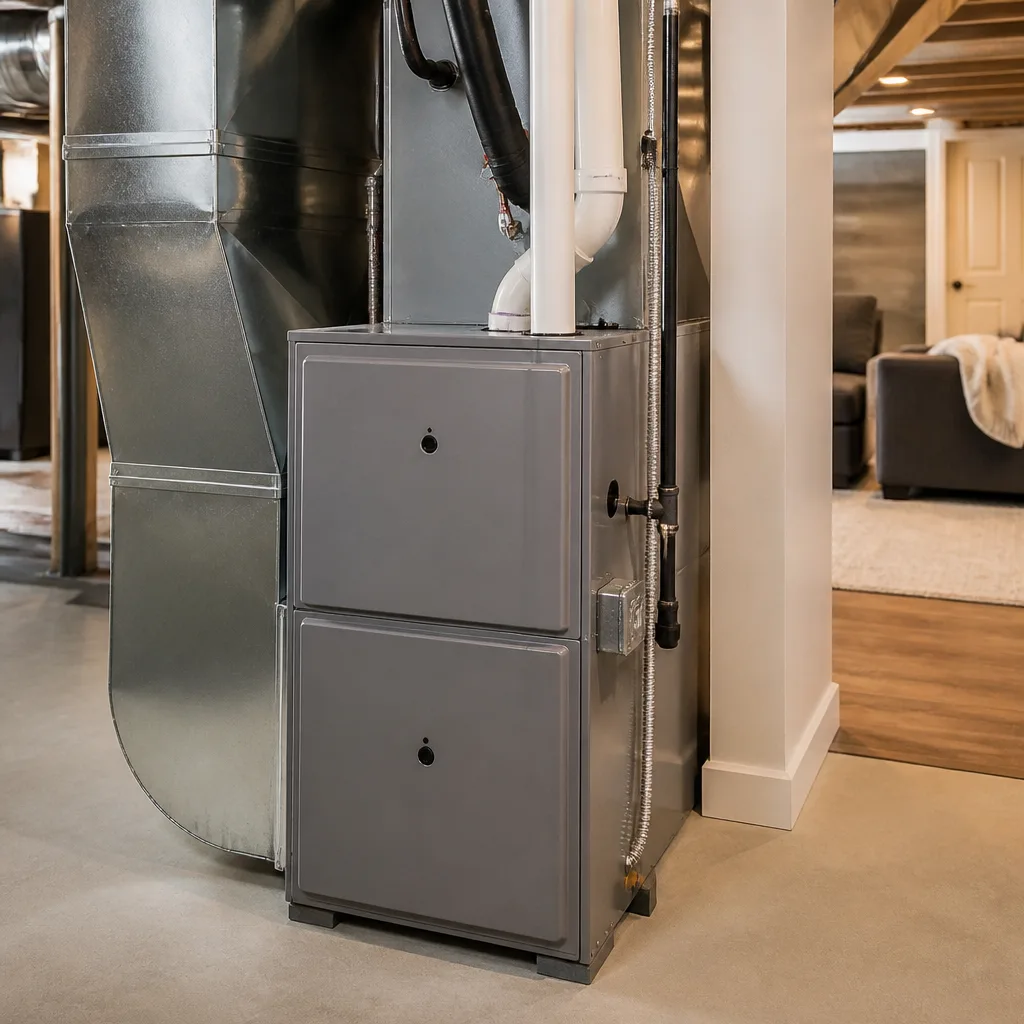 Furnace & heating
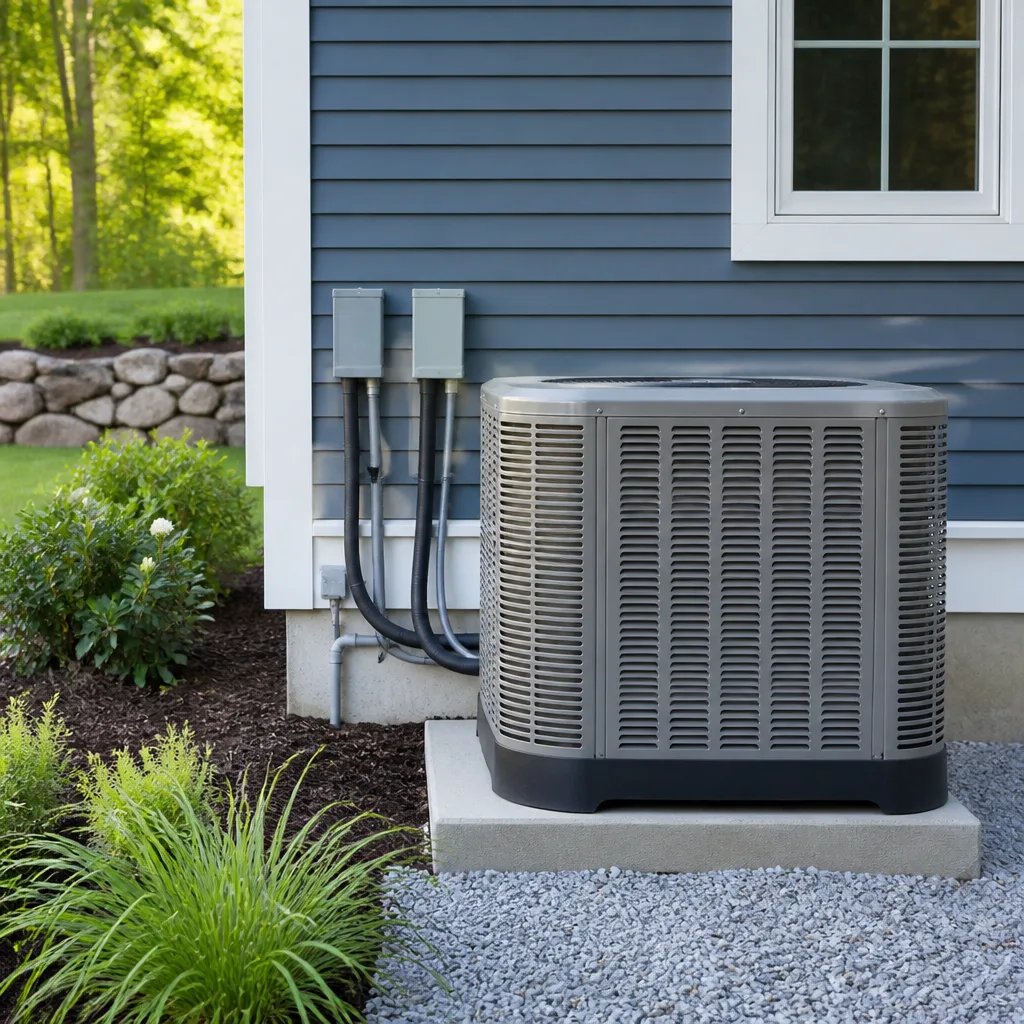 Heat pumps
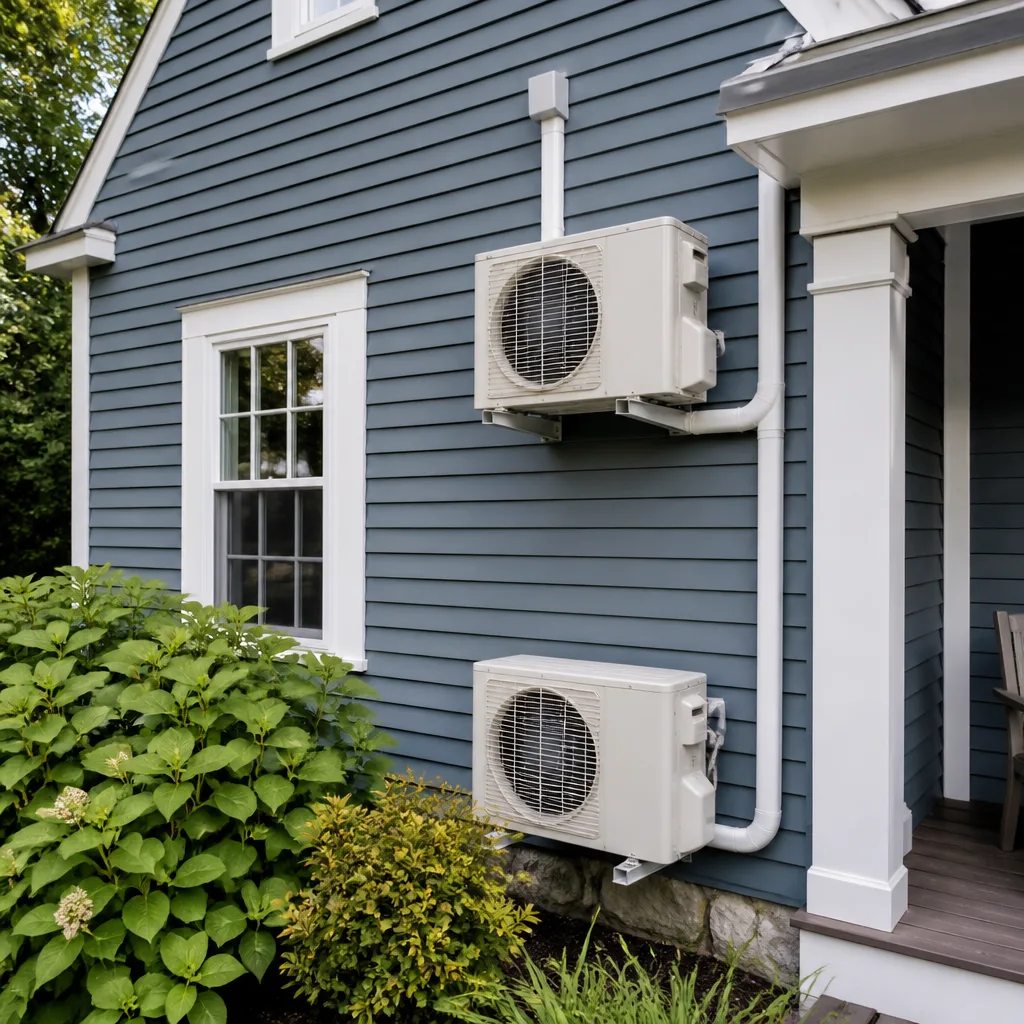 Ductless mini splits
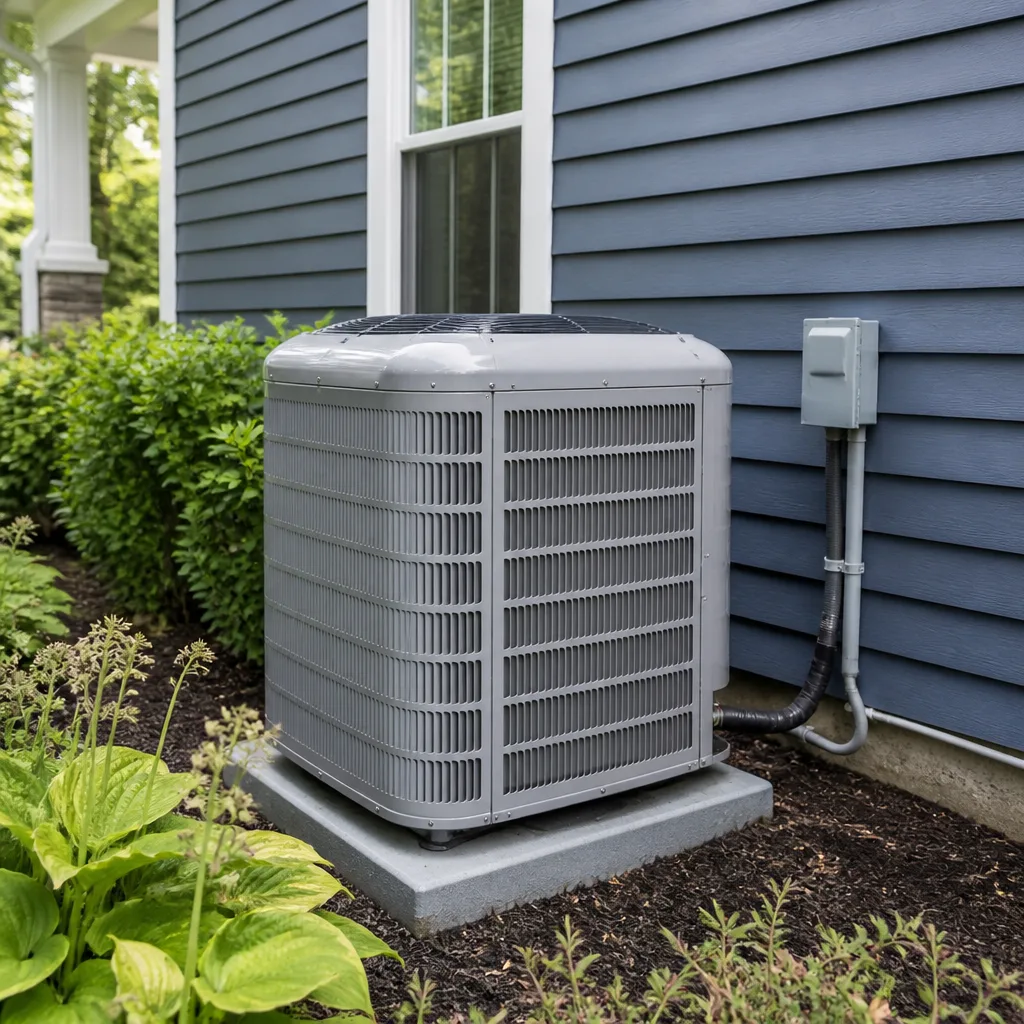 Carrier
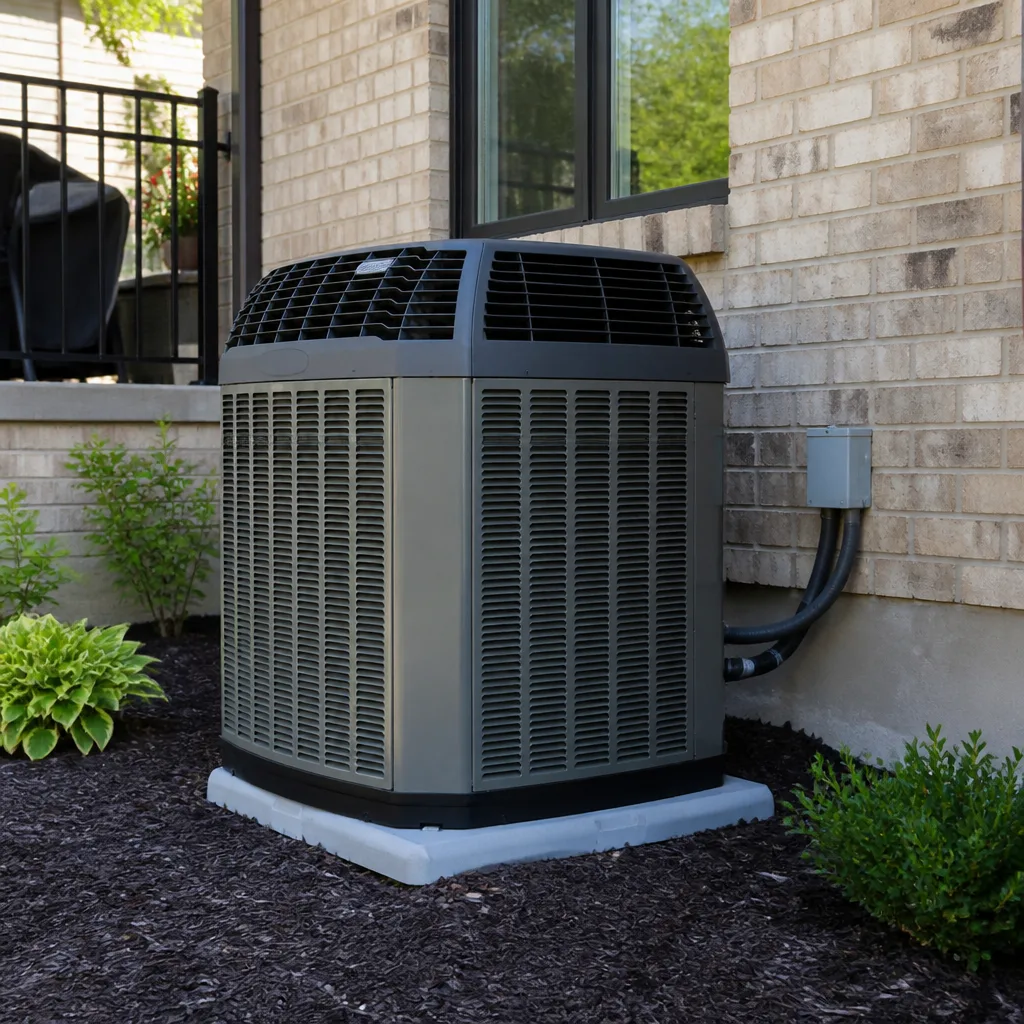 Trane
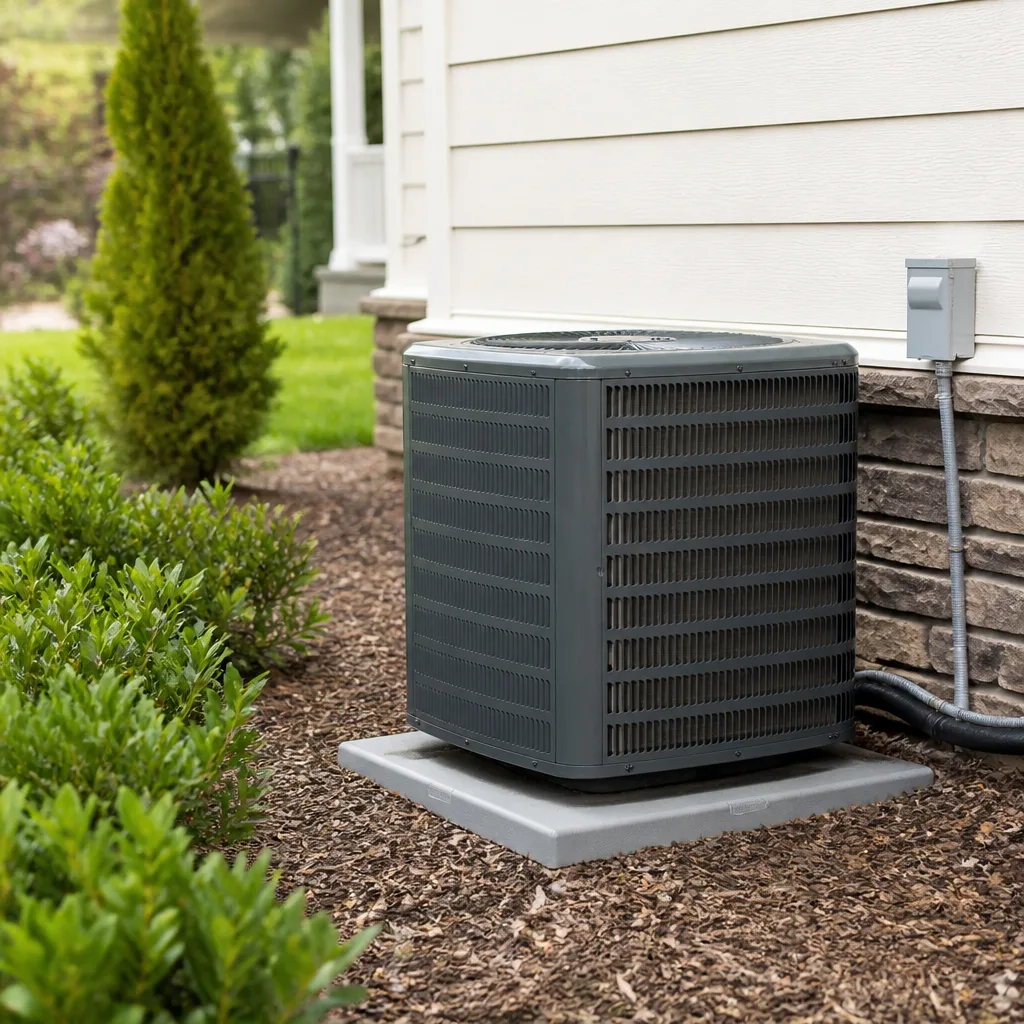 Goodman
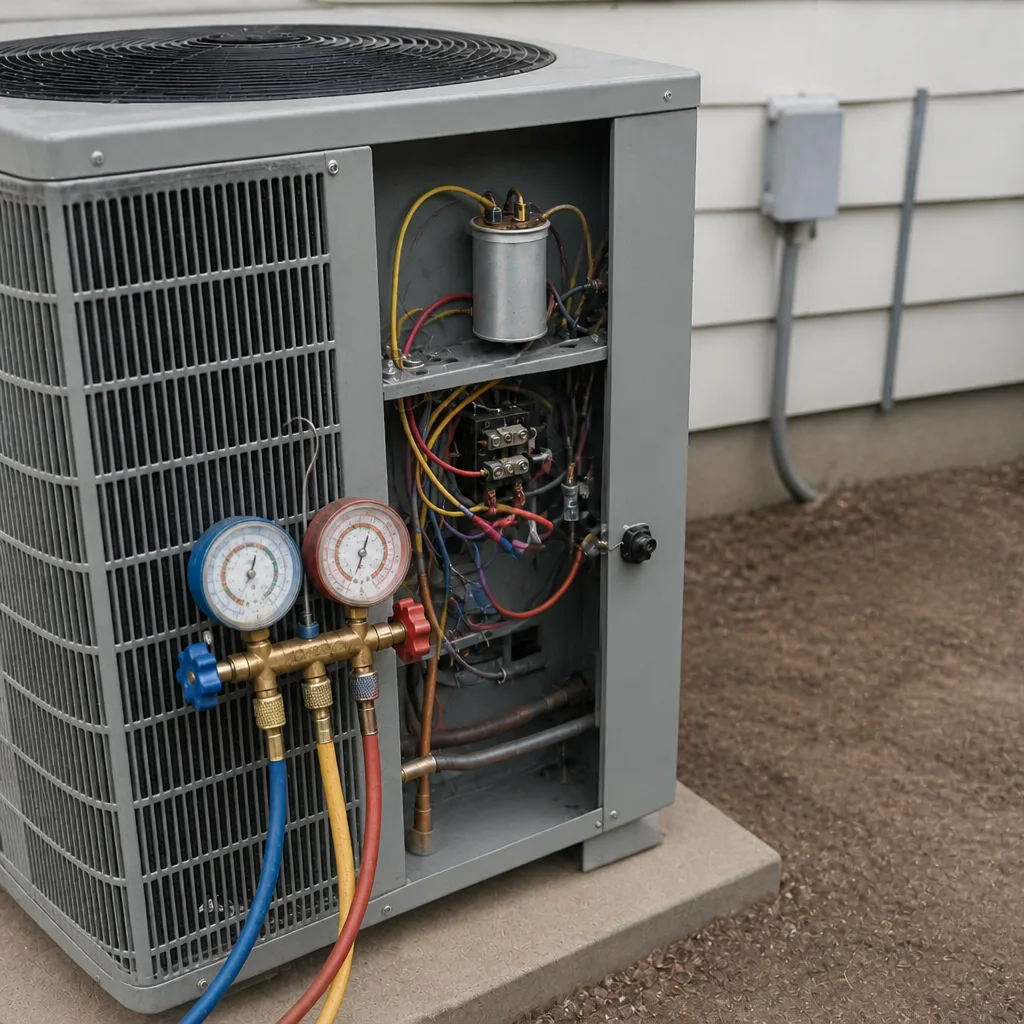
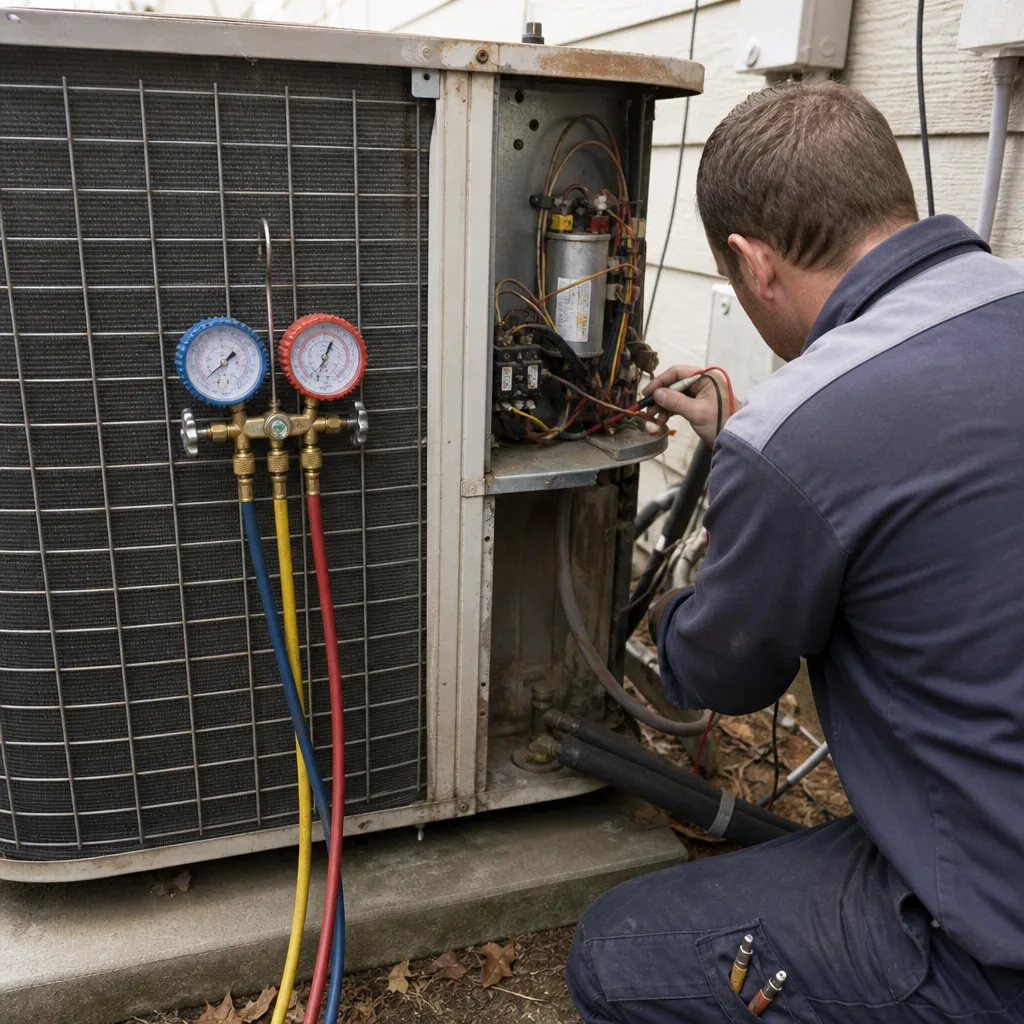
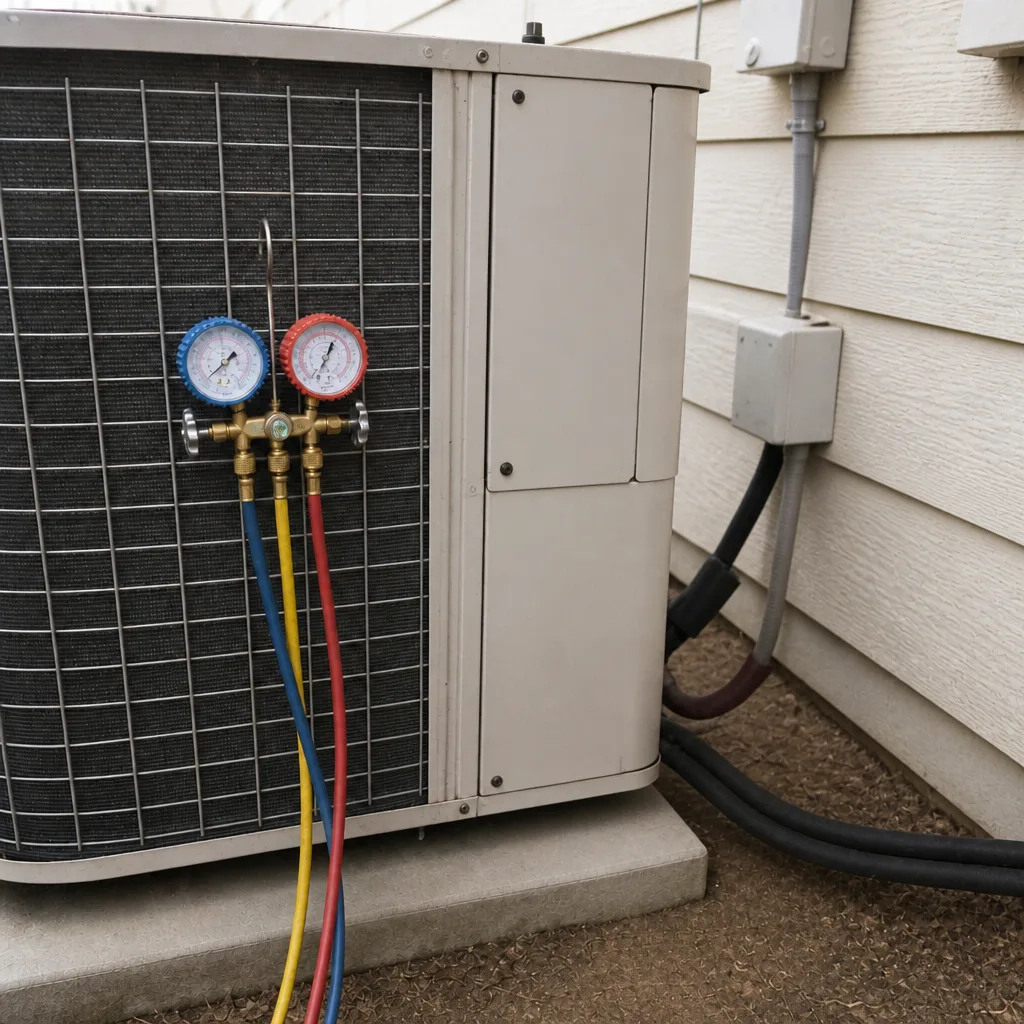
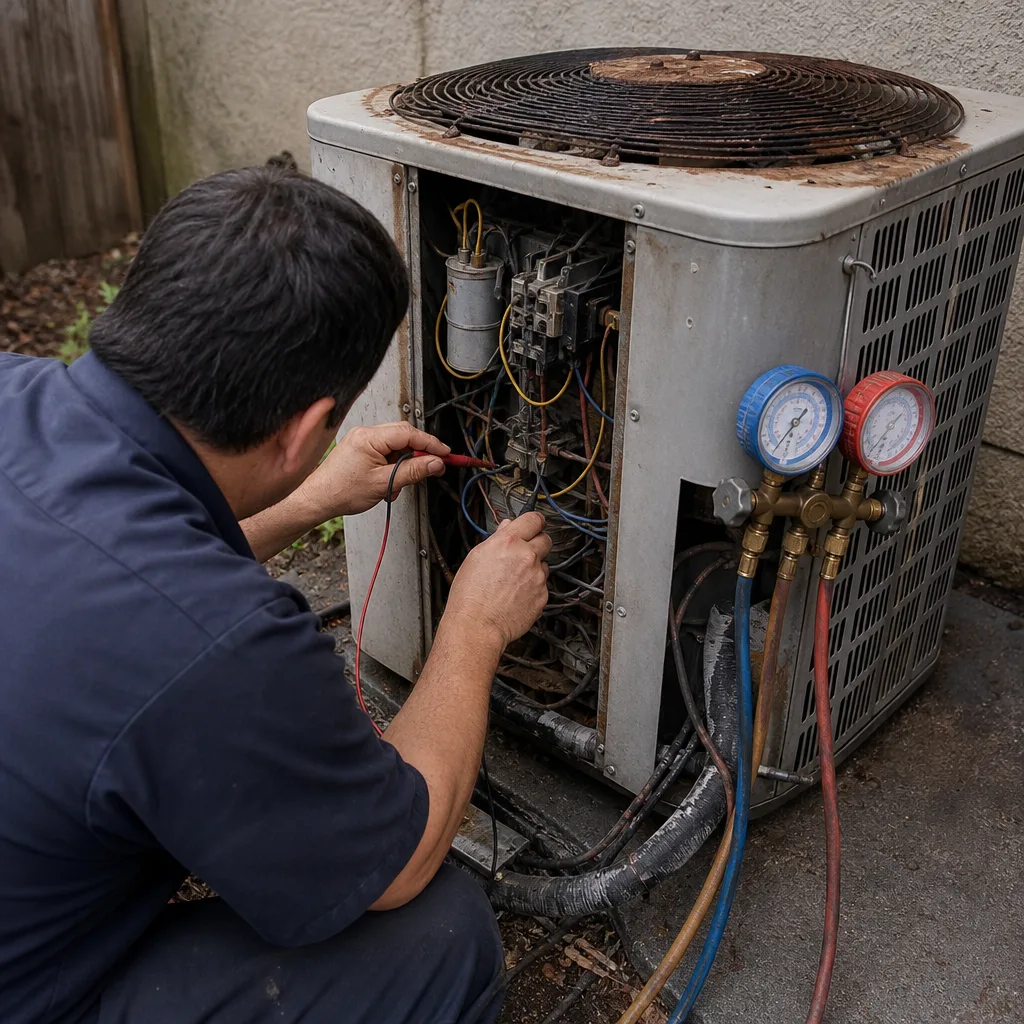
Seasonal tune-up and full diagnostic on your Carrier, Trane, or Goodman system - readings shown to you before any repair is proposed
Diagnosis first, numbers second - you approve the repair price before a single part goes in.
Get your free estimateSeasonal HVAC Care for Burbank: Year-Round Homeowner’s Guide
Most homeowners here schedule their AC tune-up in the fall, right after the cooling season ends. That’s backwards for our climate. Burbank doesn’t get four equal seasons. It gets a long, punishing cooling stretch from June through October, a couple of brief shoulder months, and a short heating window in January and February. A maintenance calendar built for a Midwest climate will consistently mistime your service and leave your system heading into its hardest months without a checkup. This guide builds a calendar around the weather Burbank actually gets, month by month, so you know what to do yourself and what needs a technician.
Styles & brands we work with
- AC repair
- Furnace & heating
- Heat pumps
- Ductless mini splits
- Carrier
- Trane
- Goodman
Quick Answer
The best time to service your air conditioner in Burbank is March or April, before the cooling season starts, not in the fall after it’s already been stressed for months. Heating service belongs in late fall or early winter, ahead of the short January-February cold snap. Beyond those two anchors, monthly filter checks and a drain flush before the hot months cover most of what a homeowner can do without help.
Table of Contents
- Why Burbank’s Climate Needs Its Own HVAC Calendar
- March and April: Pre-Season AC Service
- May through September: Cooling Season Survival
- The Santa Ana Wind Checklist
- October and November: The Shoulder Months
- December through February: Heating Season and the Cold Snap
- What You Can Do Yourself vs. What Needs a Technician
- Common Mistakes to Avoid
- When to Call a Professional
- Frequently Asked Questions
- The Bottom Line
Why Burbank’s Climate Needs Its Own HVAC Calendar
Burbank sits in a valley basin that traps heat during the day and holds warmth well into the evening. That means your air conditioner doesn’t just run more hours in summer; it runs more consecutive days without a break. A system in Burbank can log more runtime hours between June and October than a comparable system in a cooler part of the country logs across an entire year. That wear accumulates quietly, and it shows up as a failed capacitor or a burned-out compressor contactor in the middle of a hot week, not in October when the weather is mild.
The winter side is almost the opposite story. Burbank winters are mild enough that the furnace gets light use most years, but the valley still gets a brief cold stretch in January and February when overnight temperatures drop and the system has to work. That short, intense heating window is exactly when an aging heat exchanger is most likely to show a problem. If you’ve never had the heat exchanger inspected, the weeks before that cold snap is when to do it, not when it fails.
The practical takeaway is simple: Burbank’s HVAC calendar should be front-loaded in spring for cooling and checked in late fall for heating. Most of the generic “fall tune-up” advice homeowners find online assumes a climate where summer is moderate and winter is long. Neither is true here. A calendar tuned to this valley keeps your equipment ready for the months that actually stress it.
March and April: Pre-Season AC Service
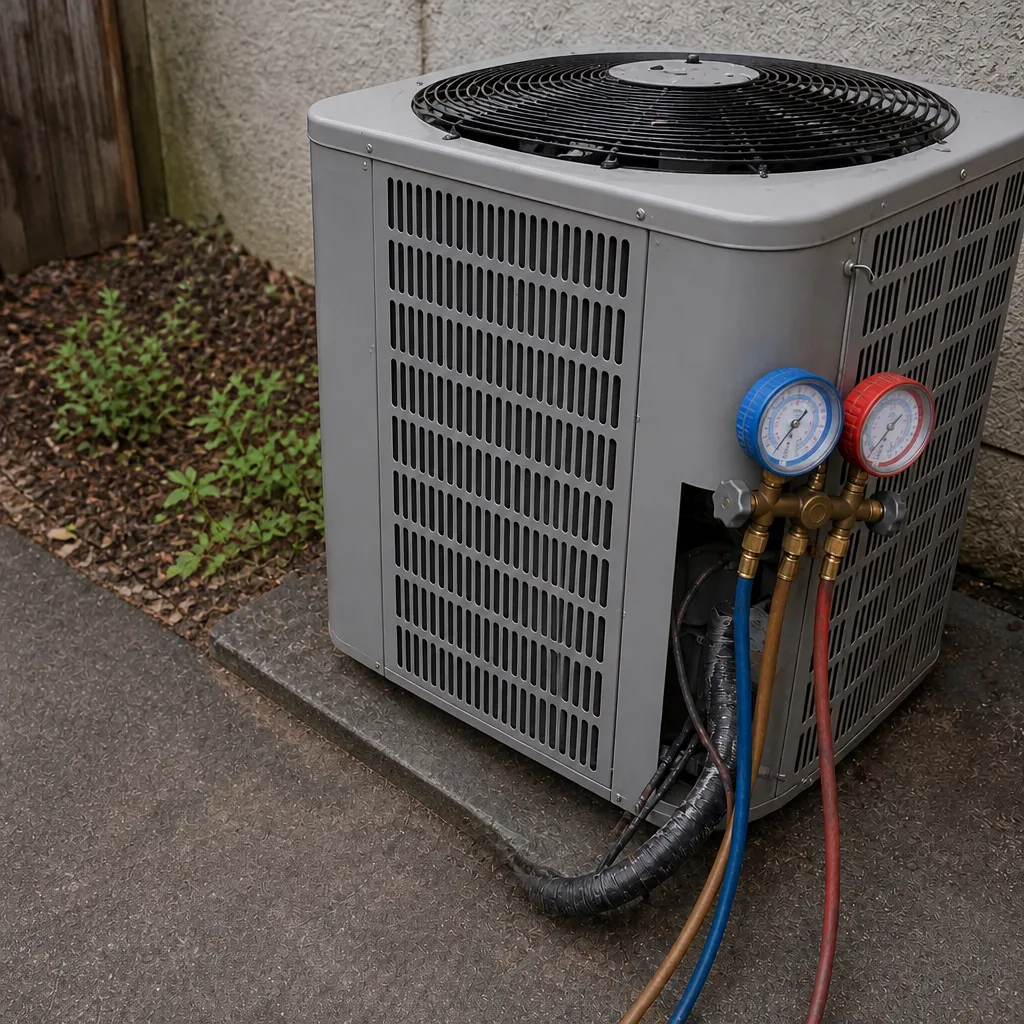
March and April are the highest-value months to service your air conditioner in Burbank. The system has been mostly idle since October, so any issue that developed during last cooling season or over the winter is still findable and fixable before the heat arrives. A technician can catch a weak capacitor, a dirty condenser coil, or a refrigerant charge that’s drifted low while the weather is mild and the repair schedule is open.
Fall service has its place, but the return on investment is lower. In October, the system has just finished its hardest workload, and anything that was marginal has already been tested. Spring service protects the equipment before the stress, not after it. That timing difference matters for Burbank because the cooling season here is long enough that a small problem found in March is a small problem; the same issue found in July is a system that’s been struggling for weeks.
A typical spring AC service visit covers:
- Checking the refrigerant charge and verifying it matches the manufacturer’s specification.
- Cleaning or rinsing the outdoor condenser coil, which collects dust and debris through the dry months.
- Testing the capacitors, contactor, and blower motor for wear.
- Inspecting the condensate drain and pan for buildup that could cause a mid-summer overflow.
- Replacing or cleaning the air filter and confirming airflow at the registers.
- Running the system through a full cooling cycle and measuring the temperature split between return and supply air.
If you notice the system short-cycling or making a rattling noise during the first warm week of the year, don’t wait for the summer rush. That’s the signal to schedule AC installation consultation only if the repair cost doesn’t make sense; otherwise a straightforward repair is the better path. A technician who has worked on your brand, whether it’s a Lennox or a Rheem, will know the common failure points and give you a straight answer.
May through September: Cooling Season Survival
Once May arrives, the system is running daily and the priority shifts from preparation to protection. The single most useful thing you can do in Burbank during this stretch is check the air filter every thirty days instead of every ninety. Valley dust and pollen load up filters faster than in the coastal parts of Los Angeles, and a clogged filter forces the blower to work harder, which raises your energy use and shortens motor life.
Here’s what the cooling season looks like month by month:
- May: First full month of daily operation. Replace the filter, check for any unusual noise, and confirm the outdoor unit has clear airflow around it.
- June: Check the condensate drain line for algae growth; flush it with water. Verify the thermostat is holding the setpoint accurately.
- July: Peak heat. Watch for ice on the indoor coil or refrigerant lines, which usually means low charge or restricted airflow. If the system runs continuously without cooling, call for furnace repair only if it’s the heating side at issue; for cooling, a diagnostic visit is the priority.
- August: The system is at maximum runtime. Clean the outdoor coil if you see dust buildup, and check that the unit isn’t sitting in the direct sun if you can add light shade without blocking airflow.
- September: The season starts tapering off. Note any changes in performance or noise and address them before the shoulder month, when scheduling is easier.
Same-day repair is worth prioritizing during this window. A failed AC in August in a Burbank valley home isn’t a comfort issue; it’s a heat exposure risk. That’s why fast diagnosis matters more in these months than at any other point in the year.
The Santa Ana Wind Checklist
Santa Ana wind events are the HVAC task most guides leave out entirely, and they’re a real factor in Burbank. When hot, dry wind pushes through the valley, it lifts fine dust and blows it into every outdoor condenser and every return vent. The dust coats coils, packs filters, and in some cases finds its way into the condensate pan. What happens over a single windy event can undo a month of normal maintenance.
When a Santa Ana event is forecast, do these three things before and after:
- Check the filter before the wind arrives. A filter that’s already partway clogged will load up fast once the dust hits. Swap it beforehand if it’s near the end of its cycle.
- Inspect the outdoor coil after the event. The condenser coil on the outdoor unit is the most exposed part of the system. If it’s visibly coated, the coil needs rinsing; this is something a homeowner can do carefully with a garden hose on low pressure while the system is off, if you can safely access the unit.
- Flush the condensate drain after the event. Dust and debris can clog the drain line, which causes water to back up and eventually triggers a shutdown or causes water damage around the indoor unit. A flush with water is usually enough if the drain isn’t already blocked.
If the system doesn’t return to normal cooling after a wind event, or if the drain won’t clear, that’s a technician call. Dust ingestion can affect the blower wheel and indoor coil in ways that aren’t visible from outside. If your system is a Goodman or a York, the technician will know what the airflow path looks like and where debris tends to collect.
October and November: The Shoulder Months
October and November are Burbank’s brief shoulder months, and they’re the best scheduling window of the year. Most homeowners call for AC service in September and don’t think about the system again until spring, which means October is quiet for technicians. If you skipped spring service or noticed a performance issue late in the cooling season, this is the time to get it addressed without waiting.
The shoulder months are also when to shift attention to the heating side. Before the first cold snap in January, the furnace should get a checkup and a filter replacement. A heating tune-up at the start of this window is far less disruptive than one done in the middle of a cold stretch when the system is working and a failure would leave the house cold. If your furnace is showing age and the checkup turns up a heat exchanger crack or another problem that makes repair impractical, this is when it makes sense to get a replacement scheduled, before the rush.
November is also a good time to clear leaves and debris from around the outdoor unit. A condenser that’s covered in leaves going into winter can rust, and airflow blockage there doesn’t fix itself. It’s a five-minute task that protects the system for the next cooling season. Burbank’s dry fall weather means this debris tends to stay put until the next wind removes it, or until someone moves it.
December through February: Heating Season and the Cold Snap
Burbank’s heating season is short, but it matters for equipment that runs hard for a few weeks and then sits idle. The critical task for this window is having the heat exchanger inspected before the cold snap arrives. A cracked heat exchanger is a carbon monoxide risk, not just a performance problem, and the time to find one is before the system runs continuously. Our technicians have up to experience and know what to look for on the brands we work on, including Carrier, Trane, and American Standard furnaces that are common in Burbank homes.
During the cold stretch, check the furnace filter and listen for any change in how the system sounds. A furnace that’s running steadily through the night in the cold snap will reveal a weak igniter or a failing inducer motor quickly. If the heat stops working, that’s a safety issue rather than a comfort issue: a failed heat exchanger or a blocked vent can push carbon monoxide into living space, so the system should be shut down and checked by a trained technician rather than restarted repeatedly.
What to watch for in the winter months:
- Unusual smell on startup: A brief dust smell at the first heat of the season is normal. A persistent smell is not; get it checked.
- Yellow or flickering burner flame: A healthy flame is blue. Yellow or orange suggests incomplete combustion and warrants a technician visit.
- Tripping the breaker when the heat cycles on: Could be a component failure or a short; don’t reset it more than once without calling someone.
- Condensate leaking near the furnace in high-efficiency units: High-efficiency furnaces produce condensate, and drains can freeze or clog in cold weather. This is worth a check before the first cold night.
After the cold snap passes, a quick filter change and an inspection of the drain and condensate lines will have the system ready for a quiet spring.
What You Can Do Yourself vs. What Needs a Technician
The line between homeowner tasks and technician tasks is clearer than most people assume. The rule of thumb we use: anything that touches refrigerant, gas, or the sealed combustion system belongs to a trained technician. Everything else is fair game for a careful homeowner.
Homeowner tasks, monthly or seasonal:
- Filter replacement every thirty days during the cooling and heating seasons. This is the single highest-impact maintenance task and it’s entirely manageable.
- Condensate drain flush with clean water before the cooling season and after Santa Ana events.
- Outdoor unit clearance: keeping a foot or two of clear space around the condenser, removing leaves and debris.
- Thermostat check: verifying the setpoint holds and the display isn’t showing an error code.
- Visual inspection of the outdoor coil for dust or coating, which usually just needs a low-pressure rinse.
Technician tasks, seasonal at minimum:
- Refrigerant charge check and any topping up, which requires gauges and a knowledge of the system’s specification.
- Electrical testing of capacitors, contactors, and motors; these are the most common failure points, and a visual check won’t find a marginal component.
- Heat exchanger inspection on the furnace, which is a safety check and needs a trained eye and the right tools.
- Coil cleaning on the indoor evaporator coil, which is often out of reach and needs a specific technique to avoid damage.
- Combustion testing on gas furnace components, which involves flue gases and needs specialized equipment.
If you’re unsure which side a task falls on, err toward the technician. A filter change when a coil problem is present won’t fix anything, and getting a proper diagnosis at the start of the cooling season is cheaper than dealing with a failure in July. We’re happy to talk through what’s worth handling yourself and what’s worth a visit.
Common Mistakes to Avoid
- Waiting for the first hot day to schedule service. In Burbank, the first 90-degree week of the year brings a rush of calls, and you’ll wait longer for a slot. Schedule in March or April when the calendar is open.
- Tuning up the AC in October after a full season of stress. Fall service checks a system that’s already been through its hardest 120 days. Spring service protects it before the stress begins, which is the timing that actually matters in this climate.
- Ignoring the filter during Santa Ana wind events. The dust kicks up more than most people realize, and a filter that’s two-thirds clogged going into a wind event can end up nearly blocked by the time it passes.
- Skipping the heat exchanger check because winter is short. A short heating season doesn’t make a cracked heat exchanger less dangerous. If the furnace hasn’t been inspected, the weeks before the January cold snap are when to do it.
- Resetting a furnace breaker repeatedly after it trips. If the breaker trips when the heat cycles on, the cause isn’t going away with a reset. Repeated attempts to run a system with a fault risk the equipment and, in the case of a combustion problem, safety.
- Assuming a mild winter means furnace maintenance is optional. Equipment that sits for most of the year and then runs hard for a few weeks is exactly the equipment that fails when you need it most.
- Cleaning the outdoor coil with high-pressure water. A garden hose on low pressure works; a pressure washer can bend the fins and reduce performance. If you’re not comfortable with the unit, leave it to the technician.
When to Call a Professional
Some situations need a technician rather than a DIY task. Call us if the AC runs continuously without reaching the setpoint, if the outdoor unit trips its breaker repeatedly, if you see ice on the indoor coil or refrigerant lines, or if the system makes grinding or rattling noises you can’t locate. On the heating side, call if the furnace shows a yellow or flickering flame, if you smell gas, if the heat exchanger is suspected of cracking, or if the system trips a breaker when the heat cycles on. These are the cases where a fast diagnosis saves money and, in a few, protects your household.
AC Repair Burbank offers free estimates in Burbank. Call (844) 962-2046. We answer 24/7. Fast dispatch from 7am to 7pm, Sunday through Friday. We work on the system you already have, whether that’s a Lennox, a Goodman, or a Rheem, and we’ll tell you whether a repair or a replacement is the right call for the season ahead.
Frequently Asked Questions
March or April is the best time for AC maintenance in Burbank. That’s before the cooling season starts, so the system gets checked before its hardest workload instead of after. Spring service also means shorter wait times because most homeowners schedule in the fall. Call (844) 962-2046 to book a spring appointment; estimates are free.
It’s a lower priority than spring service in Burbank’s climate. A system that ran fine through September has already been tested by the season. If you only schedule one AC visit a year, do it in spring. If you had any performance issues late in the summer, fall is a reasonable time to get them looked at before they get worse. Call us if you want a technician’s view on whether an October visit makes sense.
Santa Ana winds push fine dust into outdoor condenser coils and return vents, which can clog filters and coat the coils within a single event. After a wind event, check your filter, rinse the outdoor coil carefully if it’s accessible, and flush the condensate drain. If cooling performance drops after a wind event, a technician visit is the next step.
Get the furnace inspected before the cold arrives, including the heat exchanger, and replace the filter. The cold snap in January and February is when the furnace will run the hardest, so it’s the worst time to discover a problem. Our technicians have up to experience and know the common failure points on the brands we service. Call (844) 962-2046 to schedule.
You can rinse it carefully with a garden hose on low pressure while the system is off, if the unit is safely accessible. Don’t use a pressure washer; high pressure bends the aluminum fins. If the coil is heavily coated or you can’t access the unit safely, a technician can clean it properly. We’re happy to take a look.
Every thirty days during the cooling and heating seasons is a reasonable interval for most Burbank homes. Valley dust loads filters faster than in cooler coastal areas, and a clogged filter forces the blower to work harder. If you notice reduced airflow or the filter looks grey before thirty days, replace it sooner. Call us if airflow stays low after a fresh filter; that’s a symptom worth a diagnostic visit.
The Bottom Line
Burbank’s HVAC calendar should follow the valley’s actual seasons, not a generic template. Service the AC in March or April, before the cooling season, not in the fall after it. Check the furnace and heat exchanger in late fall, before the January cold snap. Watch the filter and drain during Santa Ana wind events, since those are the maintenance tasks that keep the system from failing in the middle of a heat wave. Most day-to-day checks are things a homeowner can handle; refrigerant, gas, and combustion work belongs to a technician. When you need one, AC Repair Burbank is a call away.
Written by the team at AC Repair Burbank.
See the difference
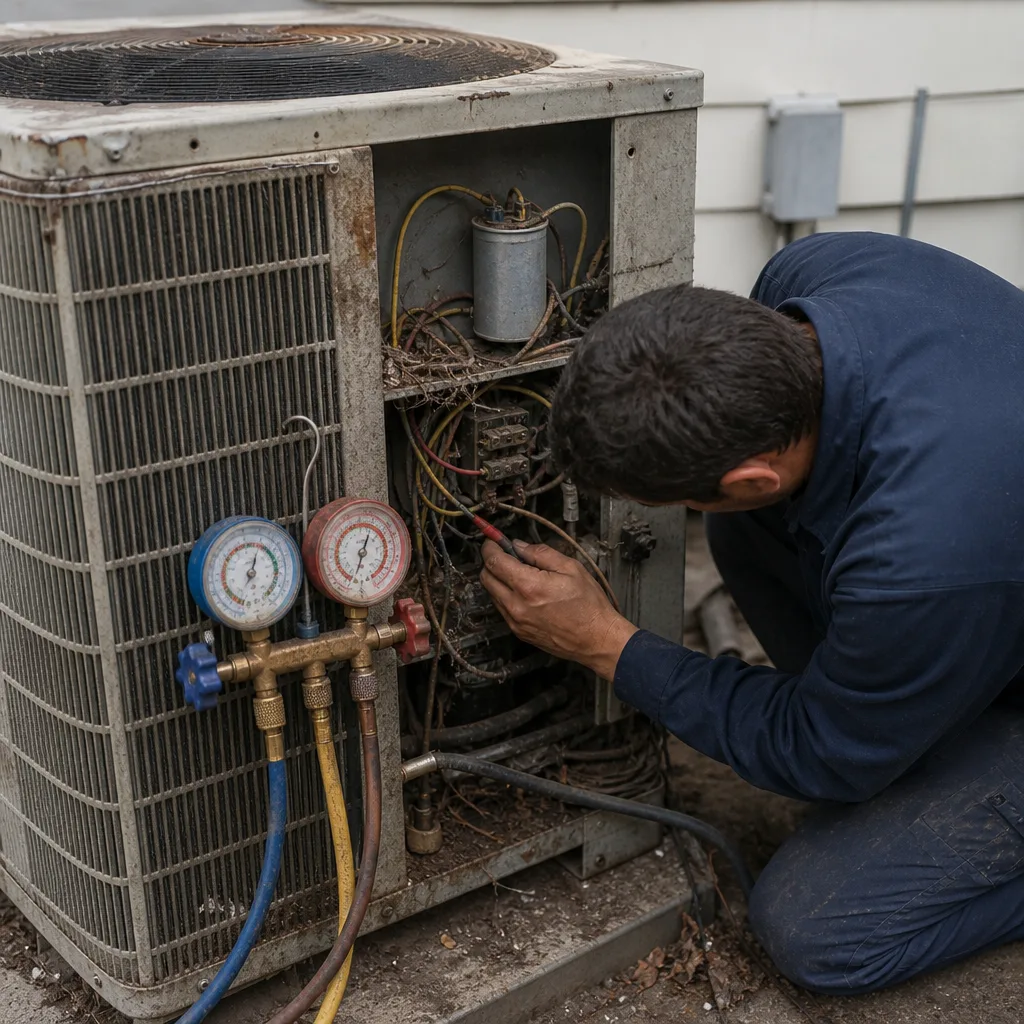 Before
 After
 Before
 After
 Before
 After