
Last updated November 16, 2026
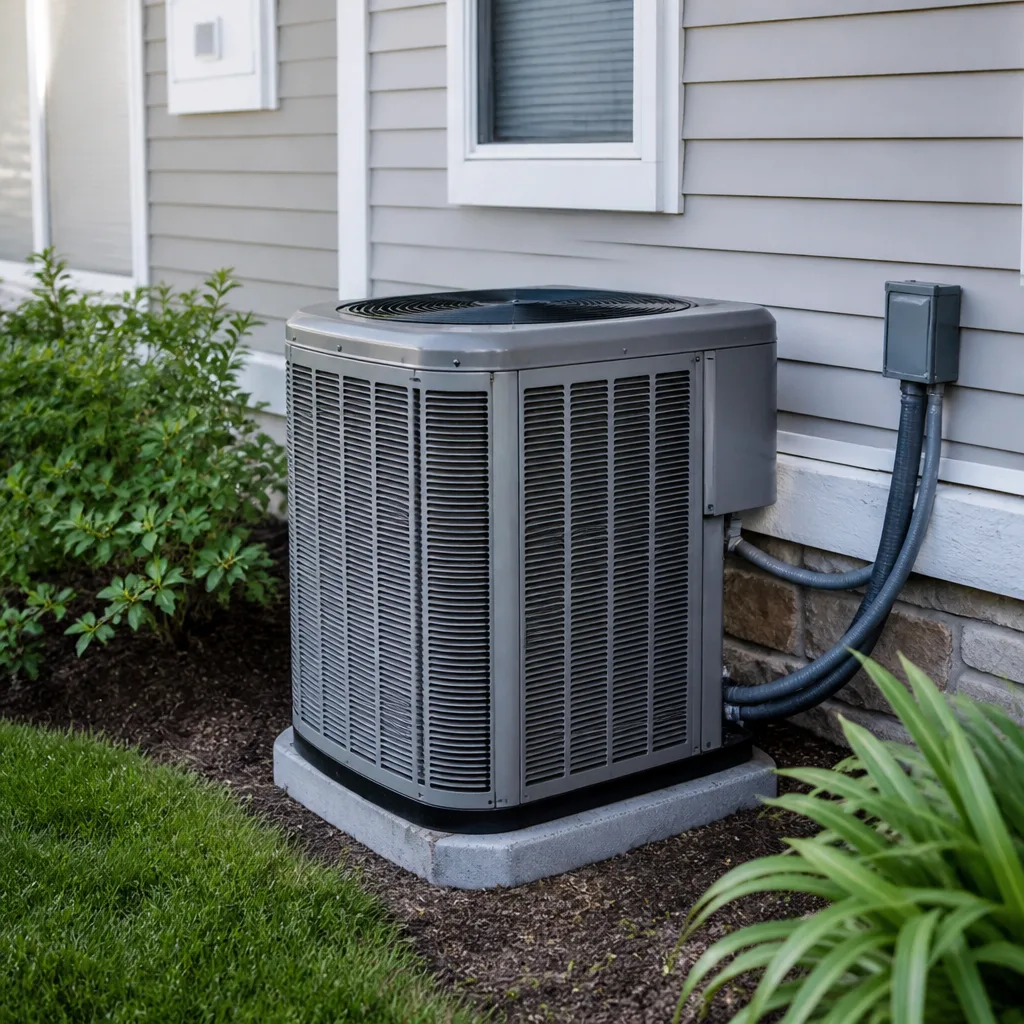 AC repair
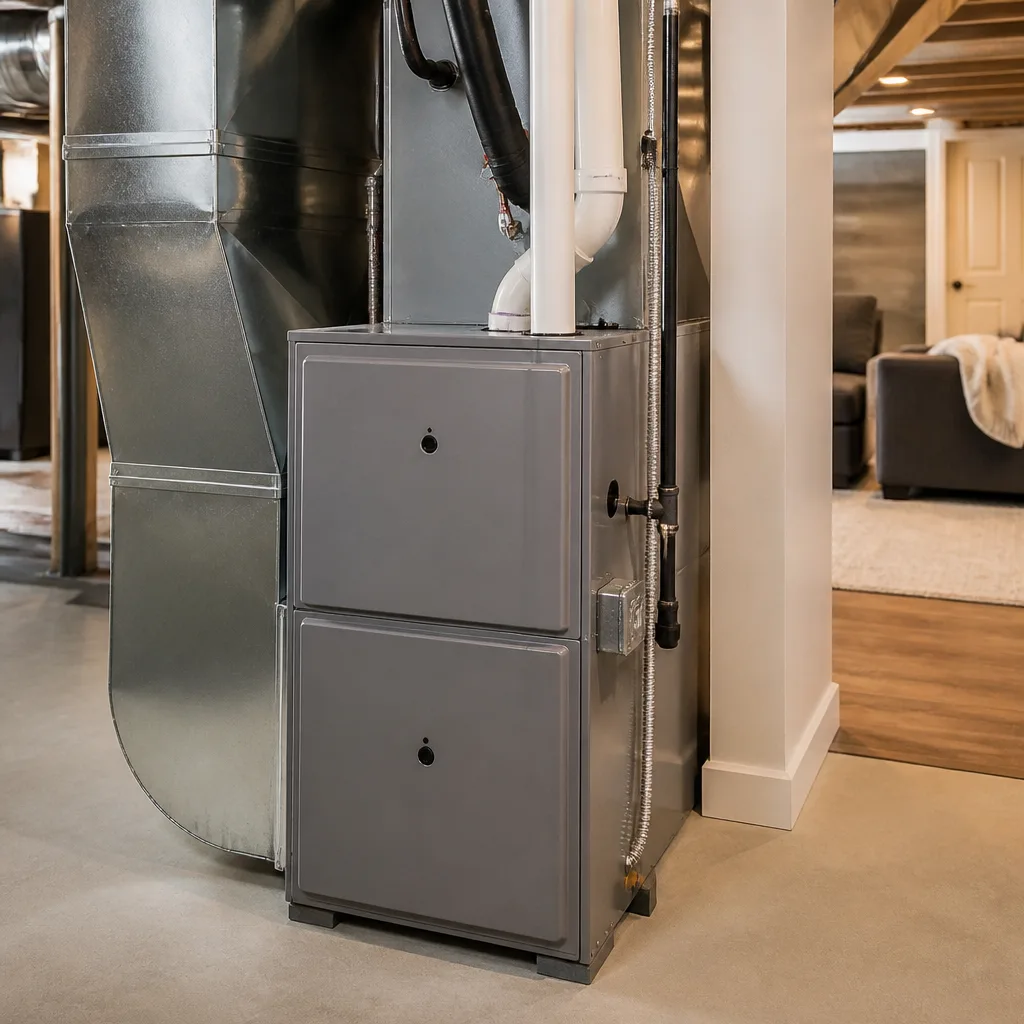 Furnace & heating
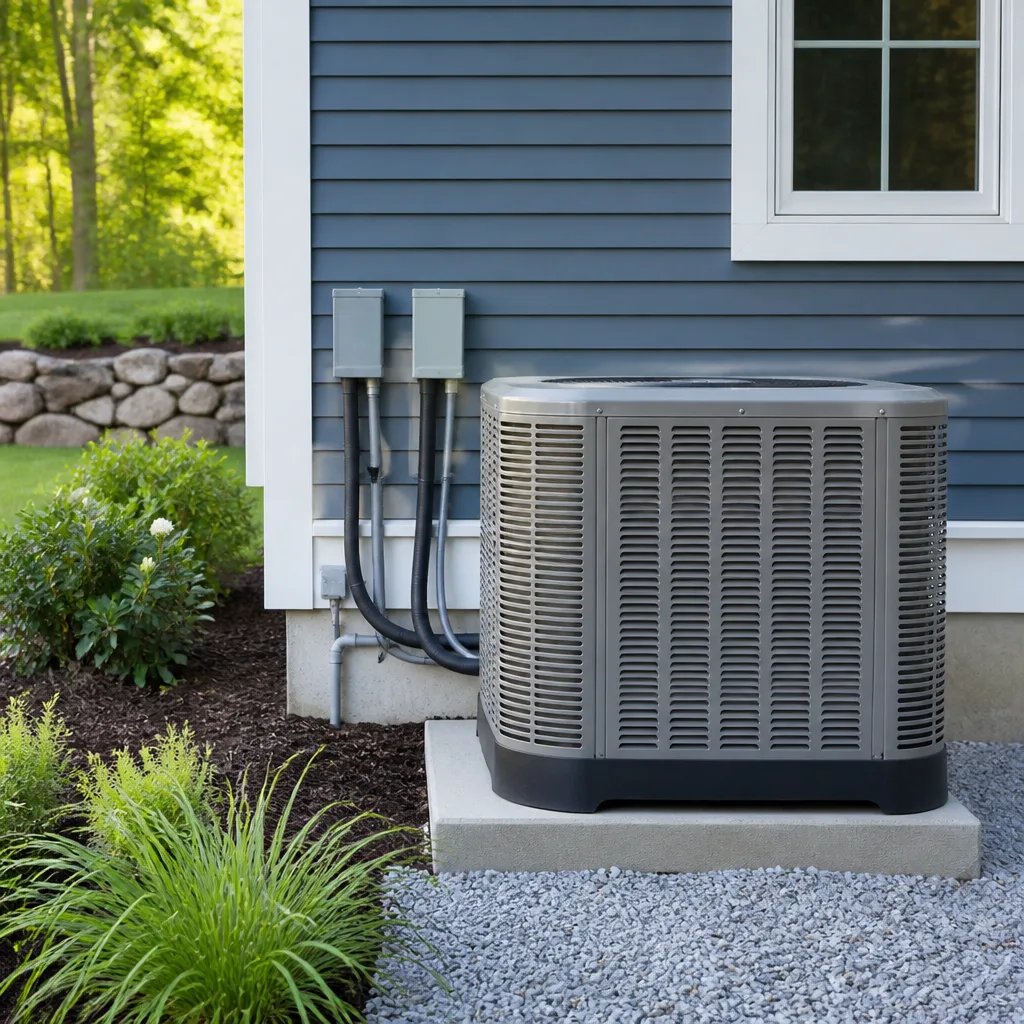 Heat pumps
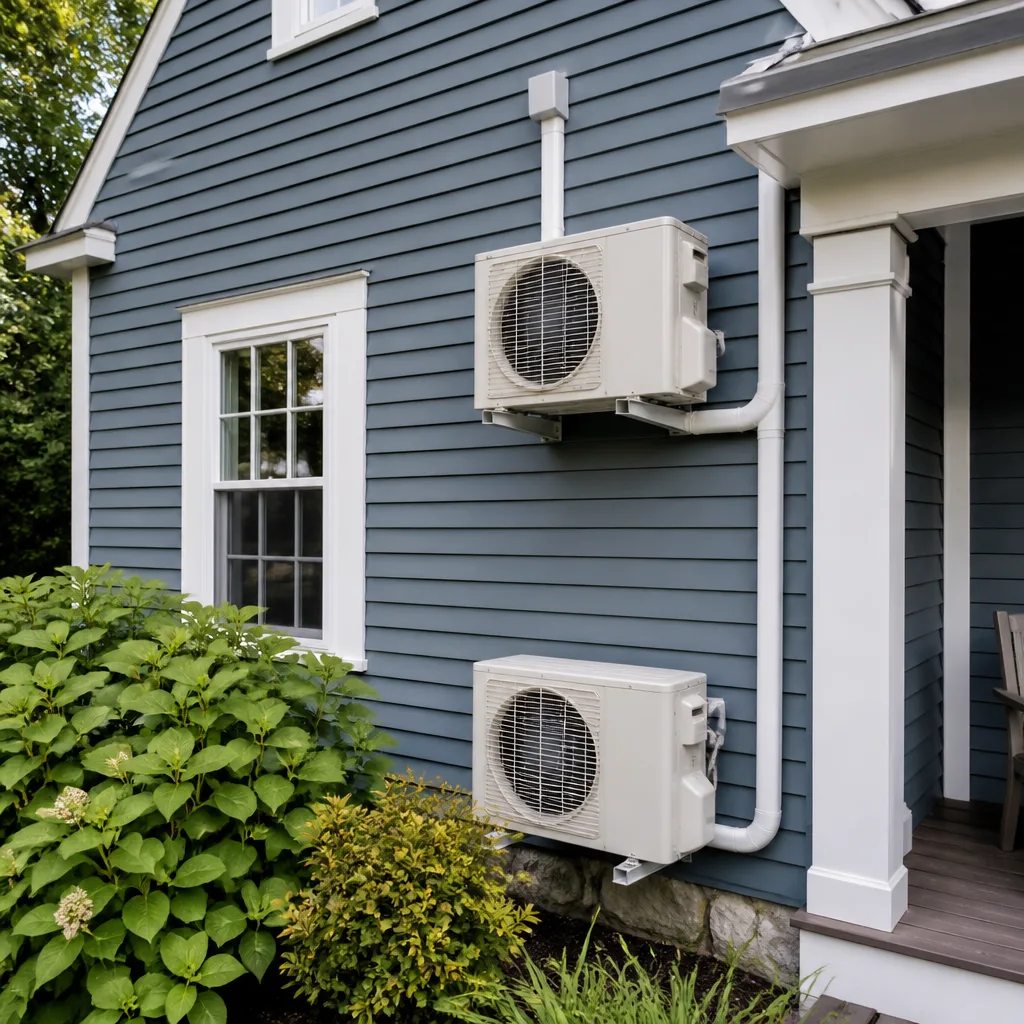 Ductless mini splits
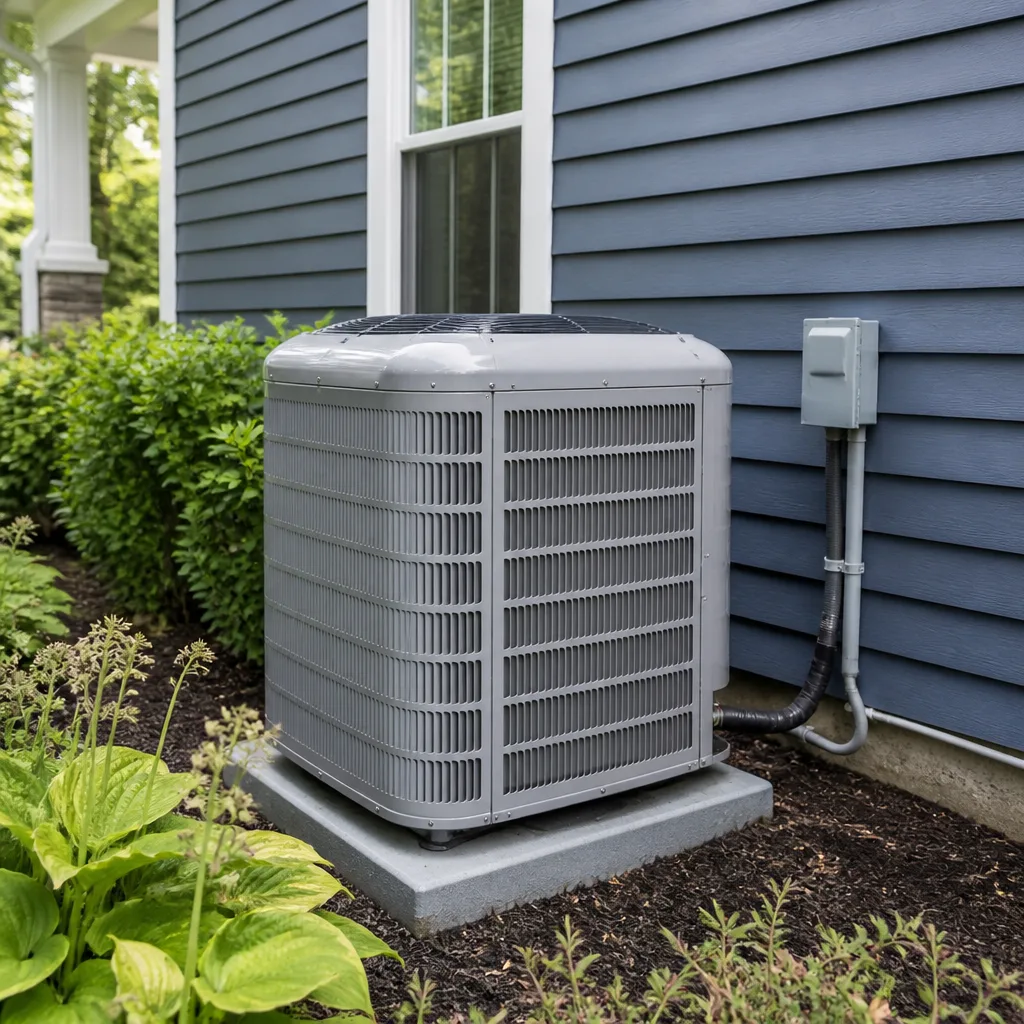 Carrier
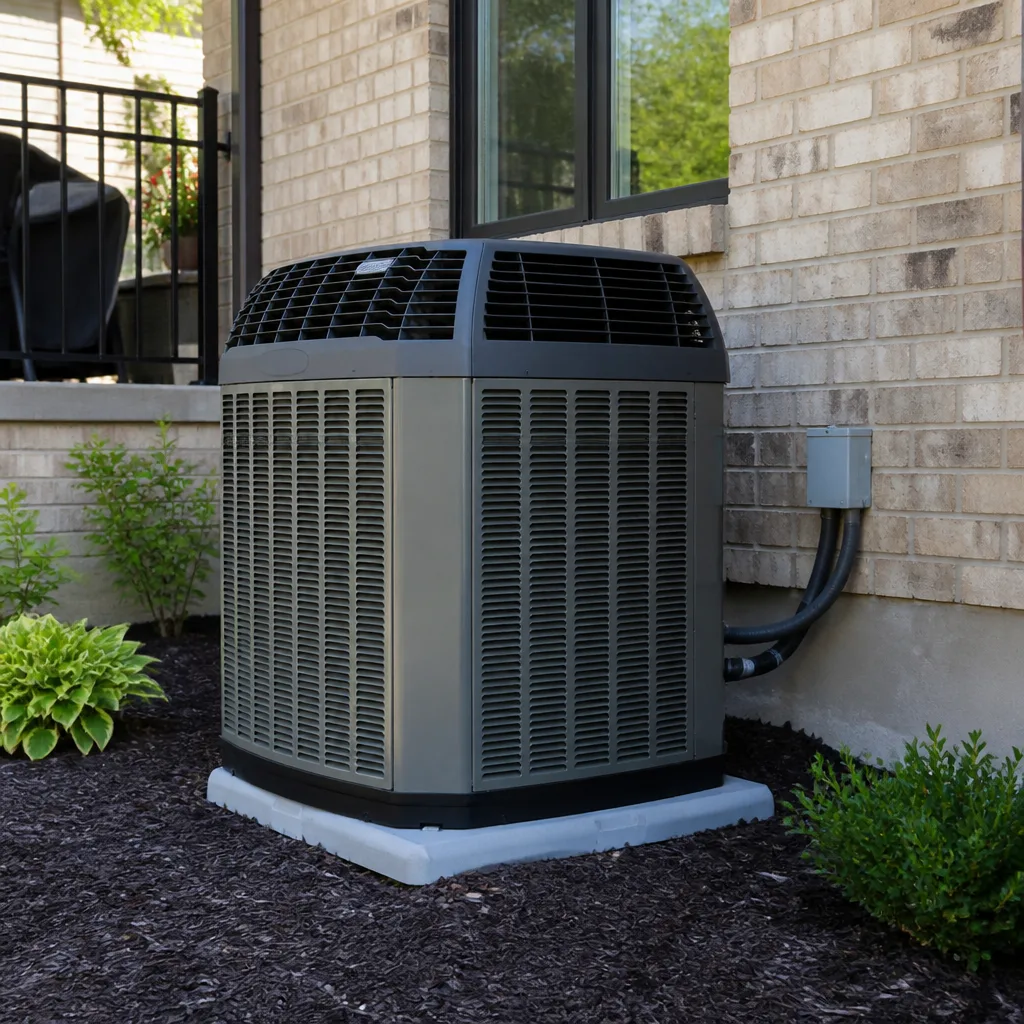 Trane
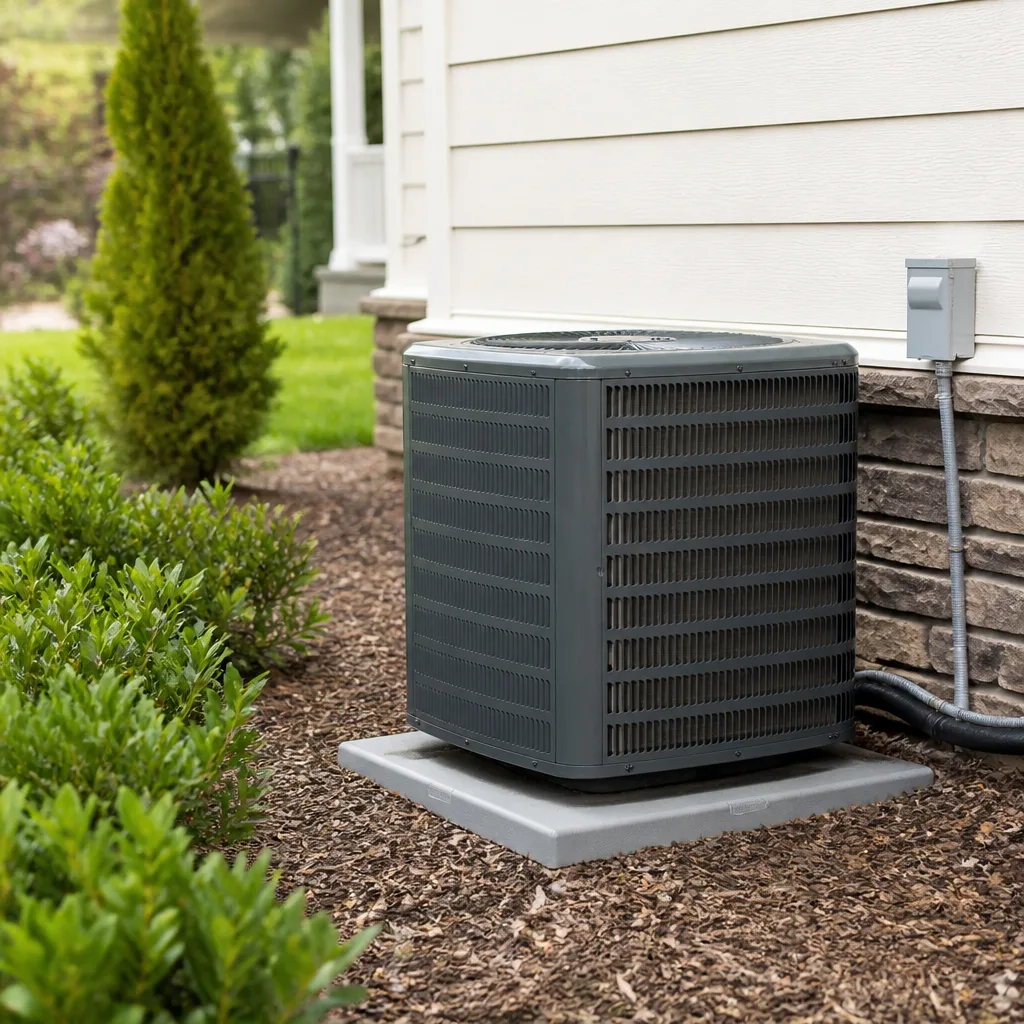 Goodman
Seasonal tune-up and full diagnostic on your Carrier, Trane, or Goodman system - readings shown to you before any repair is proposed
Diagnosis first, numbers second - you approve the repair price before a single part goes in.
Get your free estimateHVAC Warning Signs: A Burbank Homeowner’s Reference Guide
A system that starts and stops every 8 minutes isn’t struggling. It’s short-cycling, and that pattern overheats the compressor windings fast. Left alone, it can turn a capacitor replacement into a compressor job within a single Burbank summer. That distinction matters because most warning-sign lists stop at the symptom. They tell you the AC is “acting up” and leave you to guess whether it’s serious. This guide goes further. Every symptom below is tied to its likely cause and sorted into a three-tier urgency scale, so you know what to stop using right now, what to schedule within 48 hours, and what can wait for your next service visit. We cover the signs that show up specifically in Burbank homes, from sustained 100°F operation to slab-foundation duct signals, and the difference between problems that feel identical but aren’t. Before you call anyone, you’ll know what you’re looking at and why it matters.
Quick Answer
The most serious HVAC warning signs in Burbank are a sulfur or rotten-egg smell (possible heat exchanger crack or gas issue) and repeated breaker trips (electrical fault) – both mean stop using the system immediately. The next tier includes short-cycling, weak airflow from some vents but not others, and ice on the refrigerant lines in summer – these warrant a call within 48 hours. Low-level signs like a faint burning-dust smell on first startup or mildly uneven cooling can be monitored but should be documented and addressed at your next service.
Styles & brands we work with
- AC repair
- Furnace & heating
- Heat pumps
- Ductless mini splits
- Carrier
- Trane
- Goodman
Table of Contents
- The Three-Tier Urgency System: How to Triage Any Warning Sign
- Short-Cycling and Compressor Stress in Burbank Heat
- Dirty Filter or Failing Blower Motor? Telling Two Lookalikes Apart
- Duct Leakage Signals in Slab-Foundation Burbank Homes
- What That Smell Actually Means: Four Possibilities
- Heat Exchanger Fatigue in Older Wall Furnaces
- Refrigerant Stress Under Sustained 100°F Operation
- What to Photograph and Note Before You Call
The Three-Tier Urgency System: How to Triage Any Warning Sign
Here’s the framework we use on every call, and you can apply it yourself in about a minute. Sort what you’re seeing into one of three buckets. The bucket determines what you do next, not how much you worry.
- Tier 1 – Stop using the system now. A rotten-egg or sulfur smell, a breaker that trips repeatedly, visible scorching or a burning smell that’s sharp and chemical rather than dusty, or a gas smell of any kind. Shut the system off at the thermostat and call. These point to gas leaks, electrical faults, or a cracked heat exchanger – all of which are health and safety issues, not comfort issues.
- Tier 2 – Schedule within 48 hours. Short-cycling, ice on the refrigerant lines during hot weather, a blower that runs constantly or not at all, weak airflow from some vents but strong from others, or a system that cools during the day but can’t keep up after sunset. These usually mean a component is failing, and the failure tends to accelerate.
- Tier 3 – Monitor and document. A faint burning-dust smell the first time the furnace runs after months of disuse, mildly uneven room-to-room temperatures, or occasional odd noises at startup. Note the dates and conditions, then raise the list at your next service appointment.
Tier 1 is where a homeowner can make a real difference by acting quickly. Tier 2 is where we see the most avoidable damage, because these signs get waited on. Tier 3 is where good notes save diagnostic time later. The framework is the same whether you have a Bryant split system from the 1990s or a newer Daikin heat pump. In Burbank, the urgency scale skews toward Tier 2 during summer because sustained heat stress moves a small problem along faster than it would in a milder climate.
Short-Cycling and Compressor Stress in Burbank Heat
Short-cycling is when the system turns on and off in shorter intervals than it should, often every 5 to 10 minutes instead of running long, steady cycles. Left unchecked, it overheats the compressor windings. The compressor is the most expensive single component in a split system, and it’s the one you don’t want to replace prematurely.
To know if you’re short-cycling, time it. Watch a clock during a hot afternoon and see how long the system runs before it stops, and how long it stays off before starting again. A properly sized unit on a 100°F day in Burbank should run in longer cycles, typically 15 minutes or more, because it’s working harder to remove heat and humidity. If yours is cutting out every 8 minutes, that’s a signal.
Likely causes, in rough order of frequency
- A failing capacitor – the cheap part that keeps the compressor cycling smoothly. This is the $400-ish repair that prevents the compressor job.
- A clogged air filter – restricted airflow causes the system to overheat and shut down on a safety.
- Low refrigerant charge – the system cools poorly, the compressor runs long and hot, then cycles.
- A thermostat or control board fault – the system reads conditions wrong and cycles prematurely.
- An oversized system – cools too fast, satisfies the thermostat too quickly, and never runs long enough to dehumidify.
- A dirty condenser coil – the outdoor unit can’t shed heat, so the system protects itself by shutting down.
Burbank summers push the whole system harder than a coastal climate does, so a short-cycling compressor here sees more accumulated heat stress per season. That’s the mechanism behind the warning sign: it isn’t the cycling itself that costs money, it’s the winding temperature rising with every premature shutdown. If your system is short-cycling and you’re not sure why, this is the pattern to describe clearly on the phone.
Dirty Filter or Failing Blower Motor? Telling Two Lookalikes Apart
These two problems feel identical from inside the house. The air coming out of the vents is weak, some rooms stay warm, and the system seems to be running without accomplishing much. Knowing which one you have changes what the fix looks like and how fast you should act.
A simple test you can do yourself
- Find your filter and pull it out. Hold it up to a light source. If you can’t see daylight through it, it’s loaded and should be replaced.
- Put in a clean filter and run the system for 20 minutes.
- Check airflow at the vents again. If it comes back strong, you had an airflow restriction and the fix is a filter schedule.
- If airflow is still weak, the problem is upstream: the blower motor, the blower wheel, or a blockage in the return duct. That’s a technician call.
One more check that helps: listen at the air handler. A blower motor on its way out often makes a bearing noise – a hum, a rumble, or a squeal that changes with speed. A dirty filter doesn’t. And note which vents are weak. If it’s all of them evenly, it’s usually a filter or a blower. If it’s some rooms but not others, it’s usually a duct or balancing issue, which we cover next.
Filter changes are genuinely a homeowner task, and in Burbank’s dusty months the interval matters. A filter that looks fine in spring can be loaded by August. If you can’t remember the last time you changed it, that’s your first step before you call anyone. Once you’ve confirmed a clean filter and the airflow is still wrong, that’s when you should schedule a diagnostic. Our technicians have up to experience, and they work on the system you already have, whatever brand it is – which matters when the airflow problem turns out to be a model-specific blower control.
Duct Leakage Signals in Slab-Foundation Burbank Homes
Burbank has a lot of older homes on slab foundations, and slab-foundation ductwork runs under the floor rather than through a basement or crawlspace. That changes what leakage looks like. You’re not going to see a disconnected duct in a basement here. You’ll see its symptoms.
Signs that point to duct leakage in a slab home
- Room-to-room temperature swings. One bedroom stays warm in summer and cold in winter while the rest of the house is fine. This is the classic under-slab leak signal.
- Dust puffing from vents on startup. A small amount is normal, but a noticeable puff suggests the ducts are pulling in dust from under the floor.
- Higher bills with no change in use. Leaked cooled air is paid for and then lost.
- A musty smell at specific vents. Leaks can pull air from under the slab into the supply.
- Longer run times than the temperature should require. The system is conditioning air that never reaches the room.
We can’t see the ducts without a camera or pressure test, so the homeowner’s job is to note which rooms and which vents show the symptoms. That gives the technician a starting point. Duct access in slab homes is limited, which is why documenting the pattern saves time. If a leak is small, a targeted repair may be possible. If the under-slab run is badly compromised, the conversation shifts to rerouting through the attic, and that’s a bigger decision. Either way, the place to start is with good observations, not a guess.
What That Smell Actually Means: Four Possibilities
A smell is one of the fastest ways to triage a system, but only if you can name what you’re smelling. Four common smells point to four different problems, and only one of them is harmless.
- Burning dust. A faint, dusty, slightly scorched smell the first time the system runs after a long off-season. Dust on the heat exchanger or the electric strip is burning off. This is usually Tier 3 – monitor it. If it persists past a few cycles, it may be time for a service.
- Electrical insulation. Sharp, acrid, and sometimes accompanied by a scorched plastic smell. This is Tier 1 – shut the system off and call. Insulation on a wire or a motor winding is overheating, and that’s a fire risk.
- Heat exchanger crack. Often a sulfur, rotten-egg, or formaldehyde type smell if the furnace is gas. This is Tier 1 – stop using the furnace and call. A cracked heat exchanger can allow exhaust gases into the supply air, which is a carbon monoxide concern.
- Refrigerant leak. A sweet, faintly chemical, or musty smell from the air handler or outdoor unit, sometimes with the “smell of cold.” This is Tier 2 – schedule within 48 hours, and if the system is running, shut it off to prevent compressor damage from running low on charge.
The key is to trust your nose but confirm with other signals. A burning-dust smell the first time the furnace runs is expected. The same smell in the middle of summer, when the furnace hasn’t run in months, is not. A sulfur smell in a Burbank home is the one to take most seriously because it often points to a gas-side issue. If you ever smell raw gas – the unmistakable gas-station smell – leave the house and call your gas provider first, then call us. Never investigate a gas smell by turning things on and off.
Heat Exchanger Fatigue in Older Wall Furnaces
Older Burbank homes often have wall furnaces rather than central heating, and wall furnaces have a specific failure mode worth knowing about. The heat exchanger in a wall furnace is the metal boundary between the combustion gases and the air you breathe in the room. Over time, that metal can develop cracks from thermal cycling – heating up and cooling down season after season.
Mild Burbank winters mean a wall furnace might cycle only a few times a week, or only on the coldest nights, and that intermittent use can actually slow detection of a developing crack. A furnace that runs daily shows more obvious symptoms. One that fires up occasionally may not until the crack is significant.
Signs to watch for on a wall furnace
- A yellow or lazy burner flame instead of a crisp blue one. Yellow flame suggests incomplete combustion.
- Soot or blackening on the grille or around the burner access.
- Condensation on windows near the furnace during operation.
- A sulfur or “exhaust” smell when the furnace runs.
- Physical symptoms in the home – headaches, dizziness, or nausea that improve when you leave and worsen when you return. If these correlate with the furnace running, leave the house and call.
A cracked heat exchanger is one of the few genuine safety emergencies in residential HVAC, and no homeowner tool can diagnose it. A technician uses a combustion analyzer and visual inspection. If you have a wall furnace of unknown age and any of the above signs, treat it as Tier 1. A carbon monoxide alarm in the home is a reasonable safeguard regardless of system type. When in doubt, shut the furnace off and schedule a service visit.
Refrigerant Stress Under Sustained 100°F Operation
Burbank summers regularly push past 100°F, and that’s when refrigerant issues surface. A system that’s properly charged handles high outdoor temperatures fine – it was designed for them. A system that’s undercharged or has a slow leak handles them poorly, because the compressor has to run longer and hotter to move the same amount of heat.
You can’t check refrigerant charge yourself, but you can watch for the indirect signs:
- Ice on the refrigerant lines, especially the larger insulated line at the outdoor unit. This is counterintuitive – ice usually means low charge, not low temperature. It’s Tier 2, and you should shut the system off to prevent more strain.
- Longer cycles than usual in hot weather. If the system used to keep up in July and doesn’t now, that’s a signal.
- The outdoor unit runs constantly during the hottest part of the day and never satisfies the thermostat.
- A faint sweet or chemical smell near the equipment. The refrigerant itself has a faint odor for many blends.
The mechanism matters here. Undercharged refrigerant means the compressor can’t cool itself properly. The compressor relies on returning refrigerant vapor to stay within temperature limits. When the charge is low, that return vapor is reduced or hotter, and the compressor windings run above their design temperature. Over weeks of Burbank heat, that shortens the compressor’s life. This is the second reason short-cycling is expensive – the same underlying mechanism is at work. Refrigerant doesn’t get used up, so a low charge always means a leak somewhere. If the system has been running poorly through a Burbank summer and you haven’t had it checked, a visit now costs less than a compressor later.
What to Photograph and Note Before You Call
Documentation does two things. It shortens the diagnostic, and it protects you against a technician who guesses. The more specific your information, the less time a technician spends discovering what you already know, and the less room there is for a diagnosis that doesn’t match the evidence on the ground.
Photograph these before the technician arrives
- The outdoor unit’s data plate – the metal label with the model and serial numbers. This tells us exactly what equipment you have.
- The indoor air handler or furnace data plate.
- The thermostat settings and the current room temperature.
- Any ice, soot, scorching, or visible damage on the equipment.
- The filter before you change it – this gives us a baseline for how loaded the system has been running.
- Any error codes the thermostat displays.
Note these on paper or your phone
- When the problem started, and what the weather was doing at the time.
- Whether the problem is constant or intermittent, and if intermittent, how long each episode lasts.
- Which rooms or vents are affected.
- Any sounds: squeal, rumble, clunk, rattle. Note when they happen.
- Any smells, described as specifically as you can.
- The last time you changed the filter.
This documentation also helps you ask better questions. A technician can show you the problem and connect it to what you observed, and a diagnosis that doesn’t match your notes is worth a second look. If you don’t have photos, the first thing the technician will do is take them. Having them ready is simply a faster path to an answer.
Common Mistakes to Avoid
- Waiting to “see if it resolves itself” on a Tier 2 sign. Short-cycling and ice on the refrigerant lines rarely resolve. They usually get worse and take the compressor with them. A capacitor repair now is a fraction of a compressor replacement later.
- Ignoring a sulfur smell because the AC “still works.” A heat exchanger crack or a gas-side issue is a safety problem regardless of whether the house feels comfortable. Shut the system off and call.
- Changing the filter but never checking the vents. The filter change is only useful if you confirm airflow actually came back. If it didn’t, you’ve been chasing the wrong symptom.
- Assuming some vents are “just like that” in an older Burbank home. Room-to-room swings in a slab-foundation house are usually a sign of duct leakage, not a design feature. Have it diagnosed rather than living with it.
- Letting a wall furnace go without a check because it’s only used a few nights a year. Intermittent use can hide heat exchanger fatigue. Signs of yellow flame or soot are the reason to schedule a service, not a reason to wait.
- Hiring a technician who doesn’t photograph or document the problem. A diagnosis without evidence is a guess. Any technician should be willing to show you what they found and connect it to what you observed.
- Judging a fix by price alone. The cheapest available repair on a compressor-stressing problem is the one that didn’t address the cause. On a system with a known brand issue, the right technician is the one who knows the model, not the one who quotes lowest.
See the difference
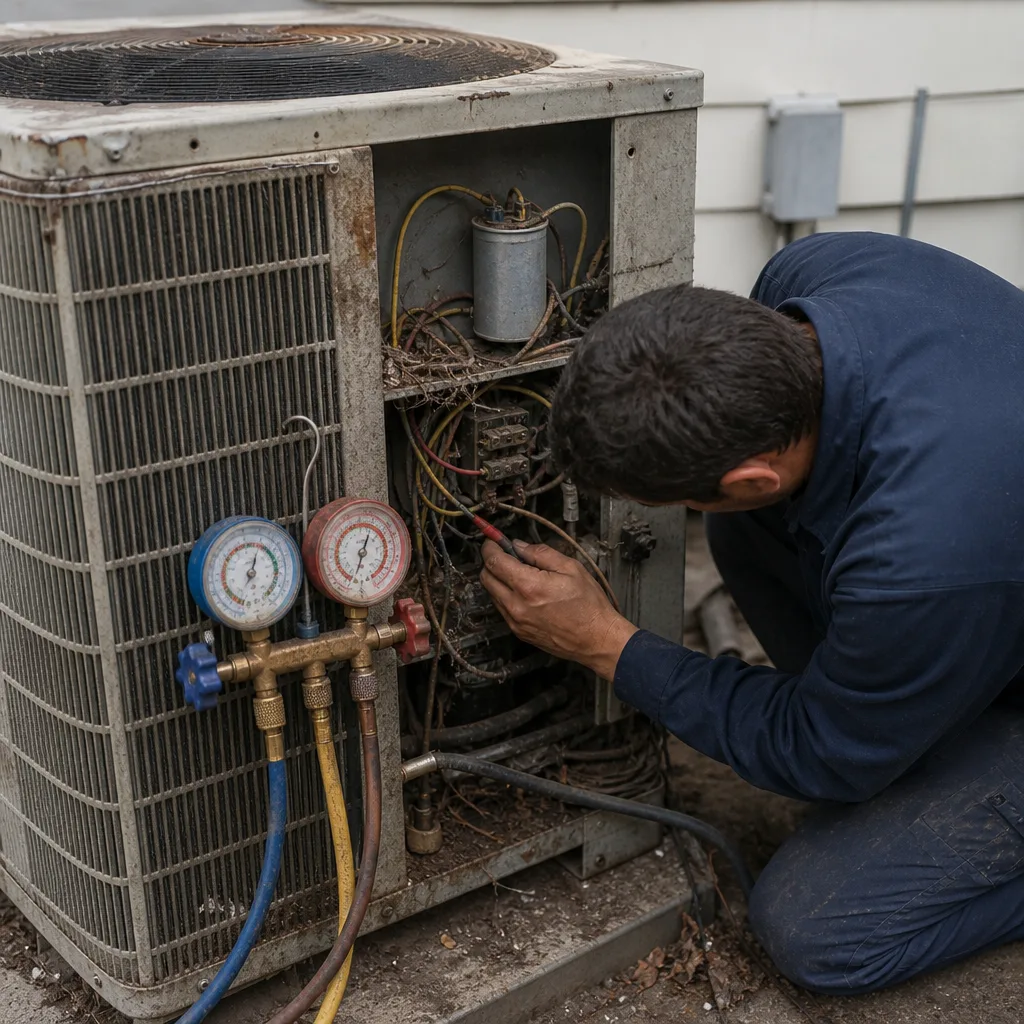 Before
 After
 Before
 After
 Before
 After
When to Call a Professional
Call today – not tomorrow – if you smell sulfur or gas near the furnace, if the breaker trips repeatedly, if there’s ice on the refrigerant lines during hot weather, or if the system short-cycles every few minutes on a hot Burbank afternoon. Call within 48 hours if airflow is weak even after a clean filter, if the furnace shows a yellow flame or soot, or if the system can’t keep up during peak heat. Note what you can, photograph the data plates, and describe the pattern clearly on the phone. If the smell is raw gas, leave the house and call your gas provider first. AC Repair Burbank offers free estimates in Burbank – call (844) 962-2046 for an exact quote, and we’ll tell you whether the system needs a repair or a replacement.
Frequently Asked Questions
Shut the system off at the thermostat and note what kind of noise it was. A squeal usually points to a bearing, a rumble to a blower wheel, and a clunk to a failing contactor or compressor issue. Each is a different repair. Call (844) 962-2046 with the description – estimates are free.
Yes, but only the first time the furnace runs after a long off-season. That’s dust burning off the heat exchanger, and it fades after a few cycles. A burning smell that persists, or that comes with a sharp rather than dusty quality, is not normal and should be treated as Tier 1.
Time it. On a hot afternoon, a properly sized system typically runs in longer cycles, often 15 minutes or more, and stays off for a stretch before restarting. If it’s cycling every 5 to 10 minutes, that’s short-cycling, and it should be scheduled within 48 hours.
Ice on the refrigerant lines usually means low refrigerant charge, not low temperature. A leak drops the pressure, which drops the coil temperature below freezing, and the moisture in the air freezes on the line. It’s Tier 2 – shut the system off and schedule a diagnostic.
Yes. A cracked heat exchanger can allow combustion gases, including carbon monoxide, into the air in the room. A carbon monoxide alarm is a reasonable safeguard, and any sulfur smell, yellow flame, or soot should be treated as Tier 1. Stop using the furnace and call.
Try the filter first, but confirm by checking airflow at the vents after 20 minutes. If airflow came back, the filter was the problem. If it didn’t, or if you’re also hearing a bearing noise from the air handler, that’s a technician call. With up to experience on our team, we can diagnose the difference quickly.
The Bottom Line
Every warning sign on this list is a mechanism talking. A short-cycling compressor is telling you its windings are overheating. A sulfur smell is telling you combustion gases may be entering the home. Ice on a refrigerant line in summer is telling you the charge is low. A weak vent that didn’t improve after a new filter is telling you the blower or the duct is the problem. Once you know the mechanism, the urgency tier follows. Tier 1 signs mean stop the system and call now. Tier 2 means schedule within 48 hours. Tier 3 means document and monitor. Photograph the data plates, note the pattern, and when you call, describe what you saw instead of what you fear. You’ll get a faster diagnosis and a cleaner estimate.
If any sign in this guide is pointing at your system right now, our phones are the fastest way to get an answer. We’re a dedicated HVAC company in Burbank, focused only on heating and cooling, and we work on the system you already have – including Carrier, Trane, Lennox, Goodman, Rheem, York, Daikin, Bryant, and American Standard equipment. Whether it needs a repair or a replacement, we’ll tell you which one actually makes sense. Call (844) 962-2046 for a free estimate. We answer 24/7. Fast dispatch from 7am to 7pm, Sunday through Friday. For AC installation or furnace repair, the same line reaches us. If you’re in the neighborhood and want our main page, it’s at AC Repair Burbank.
Written by the team at AC Repair Burbank.