
Last updated November 16, 2026
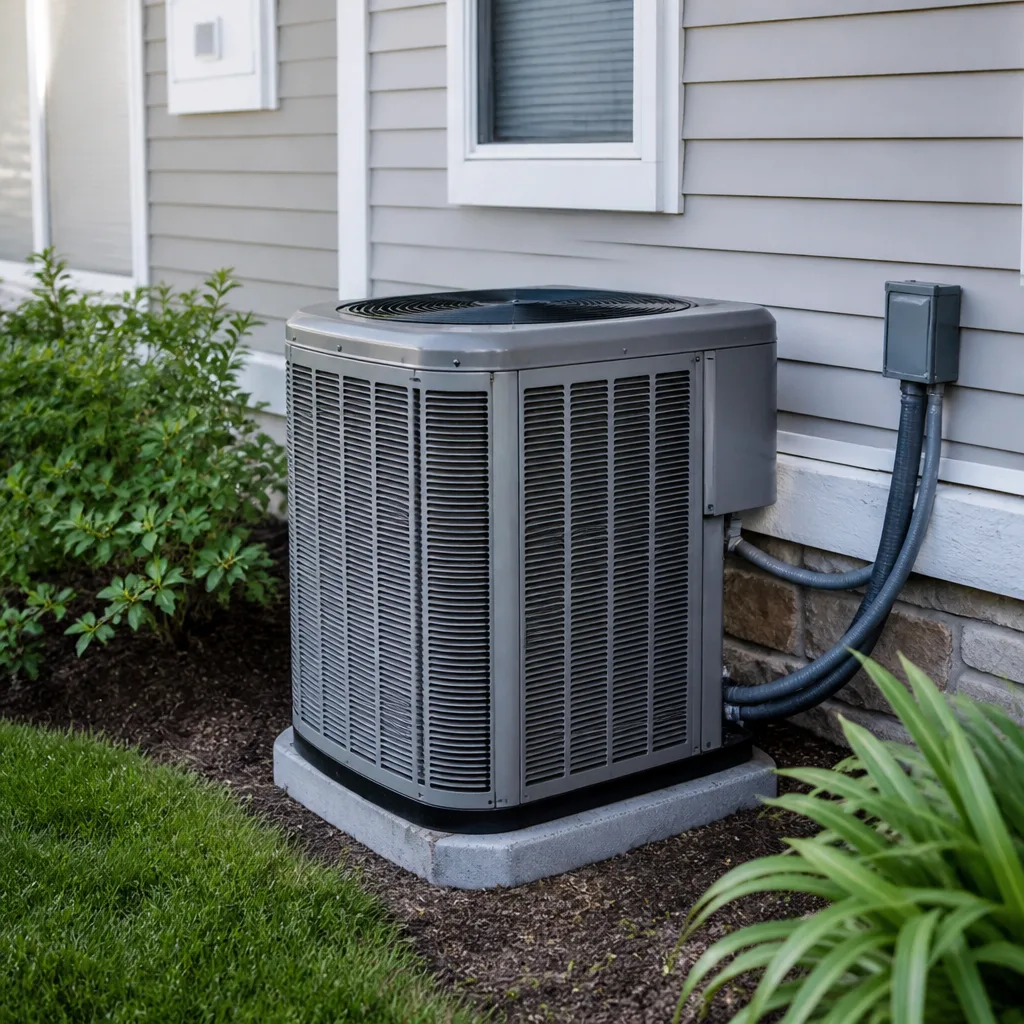 AC repair
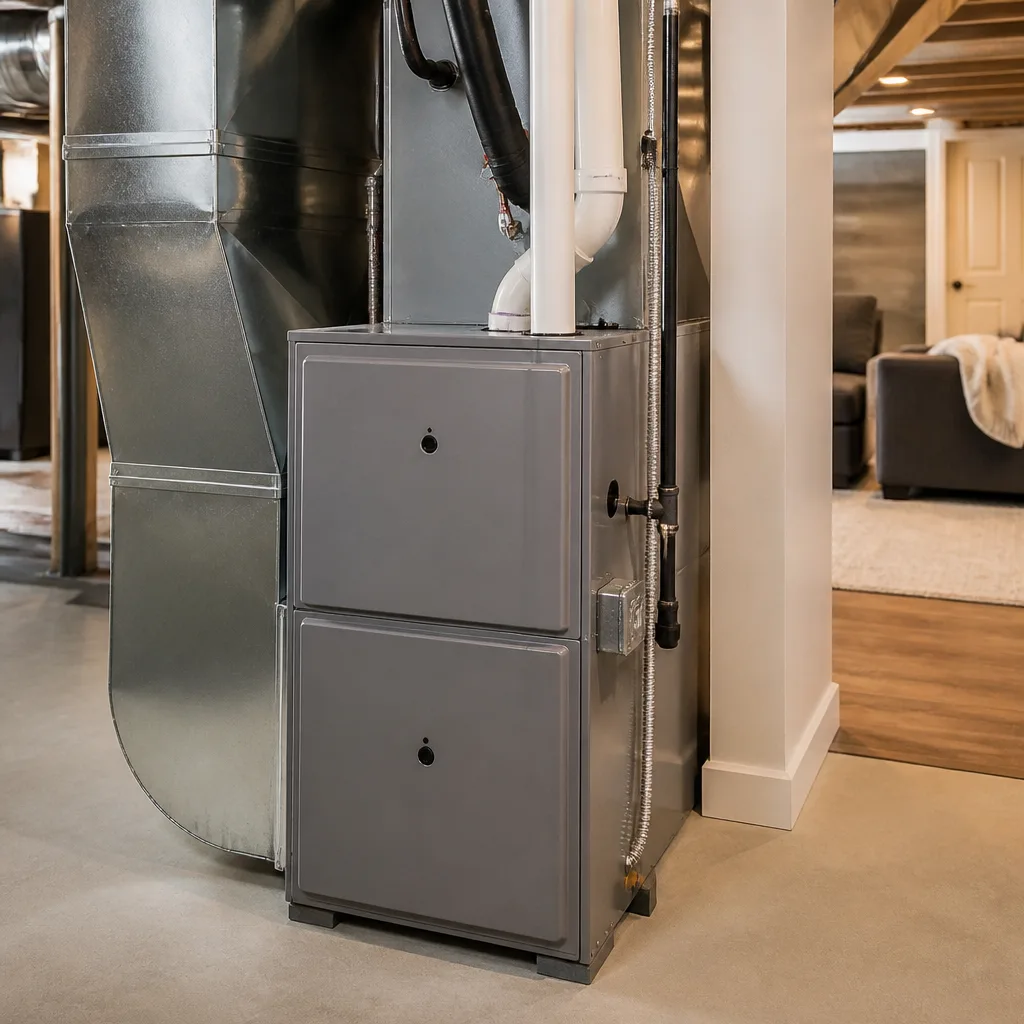 Furnace & heating
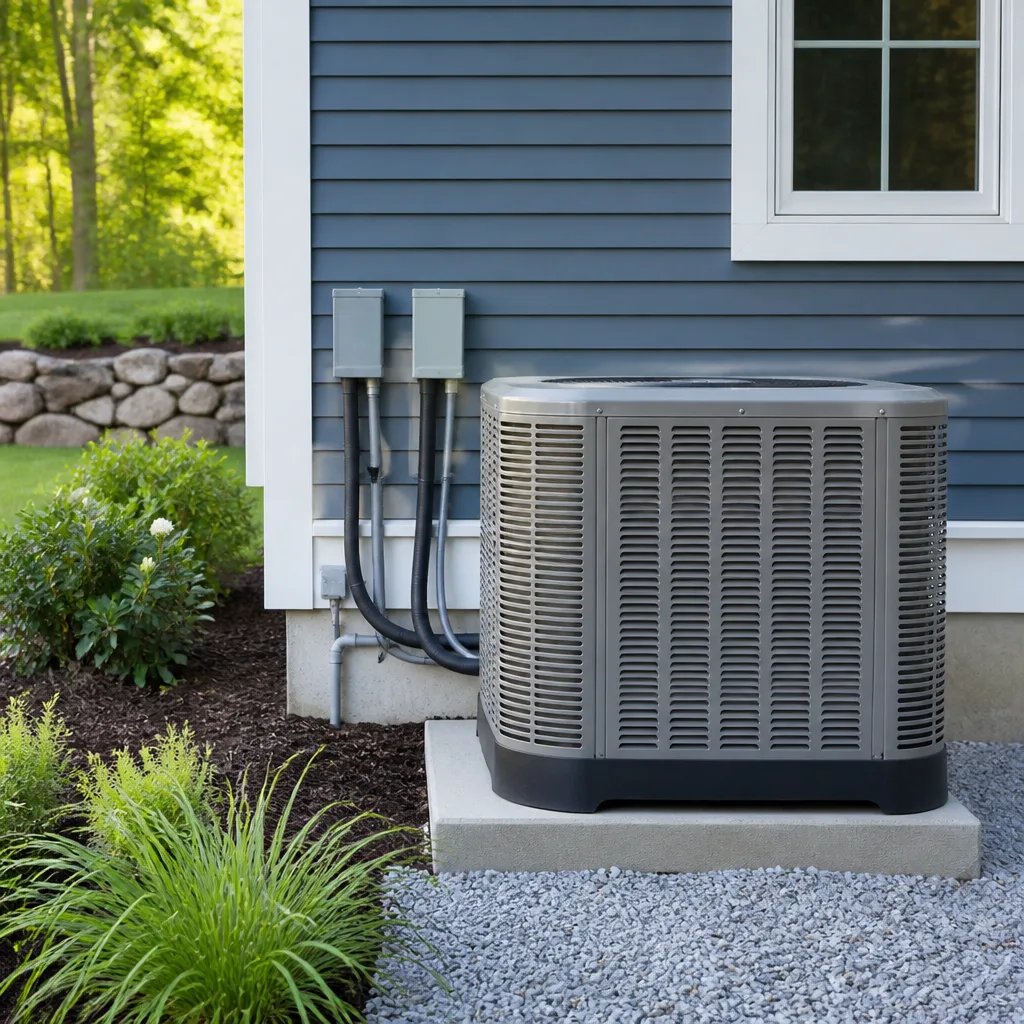 Heat pumps
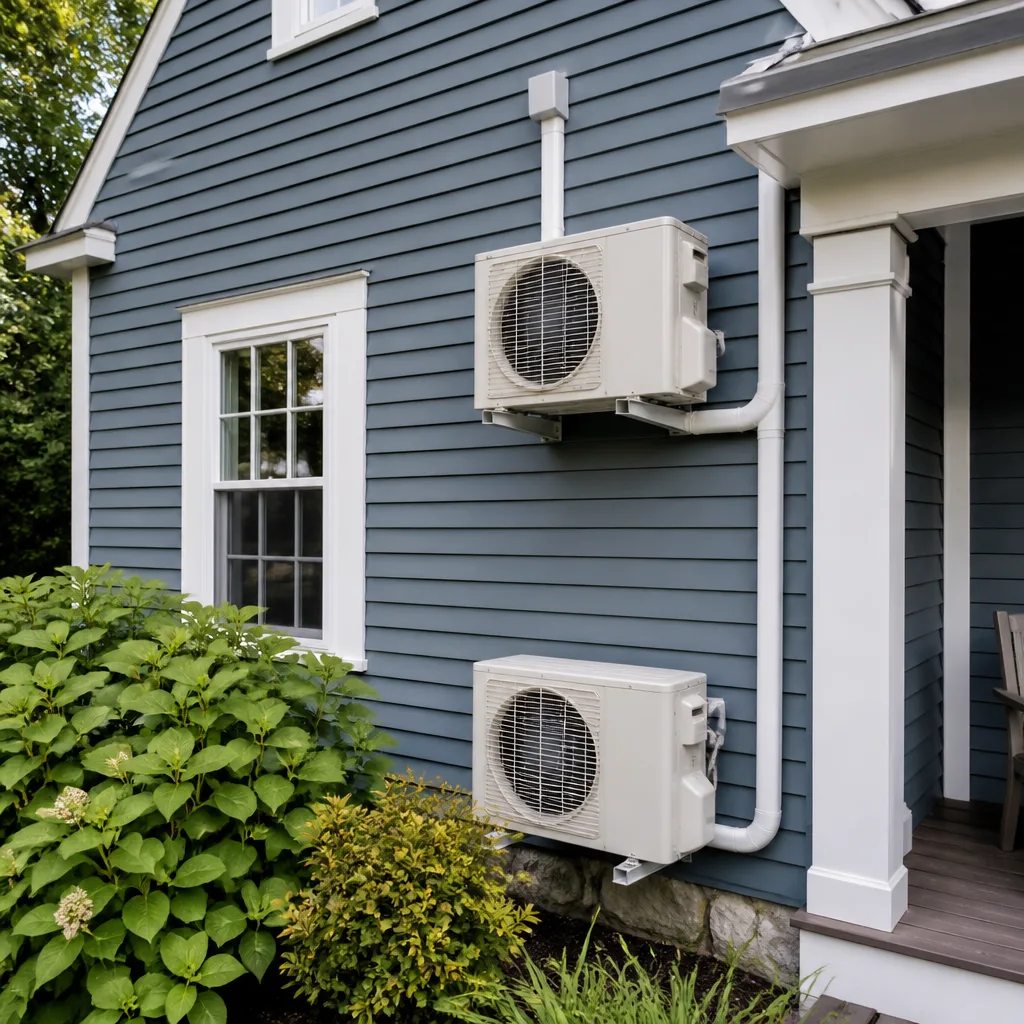 Ductless mini splits
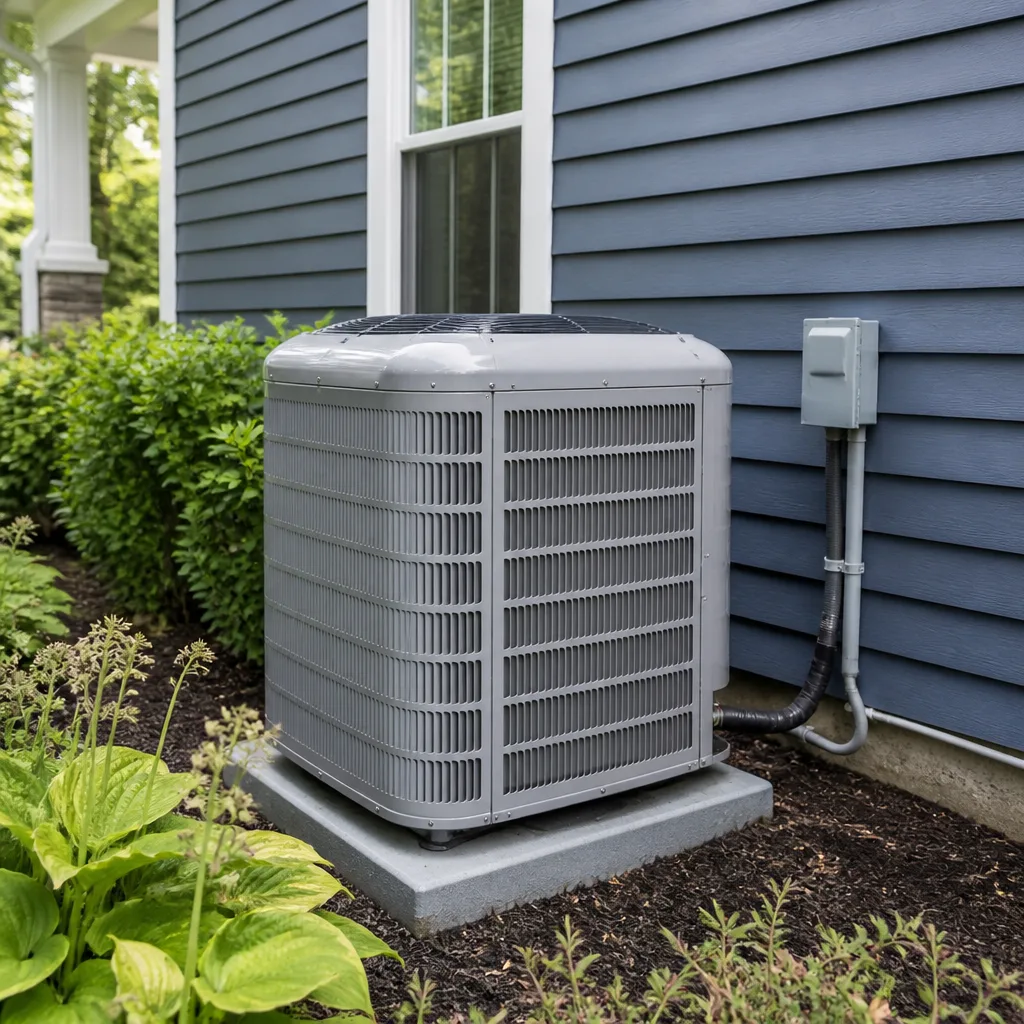 Carrier
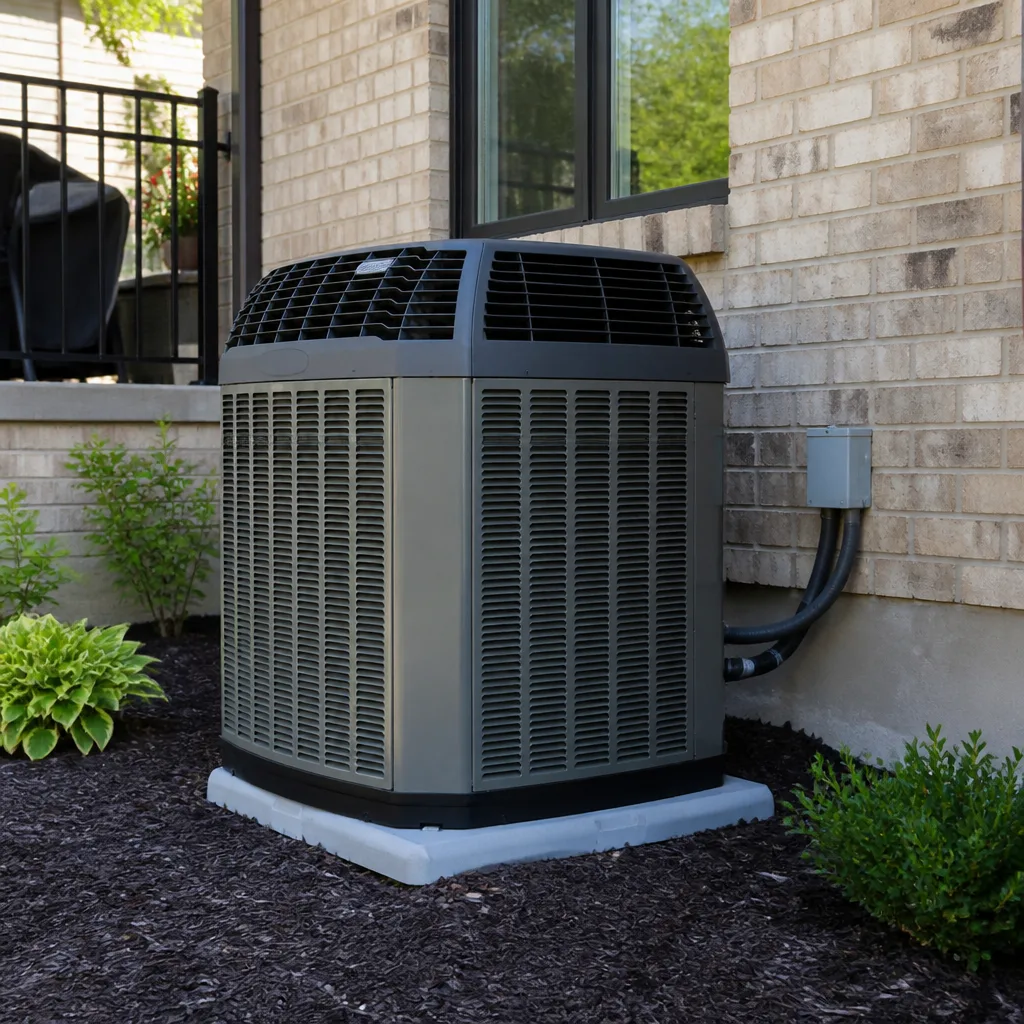 Trane
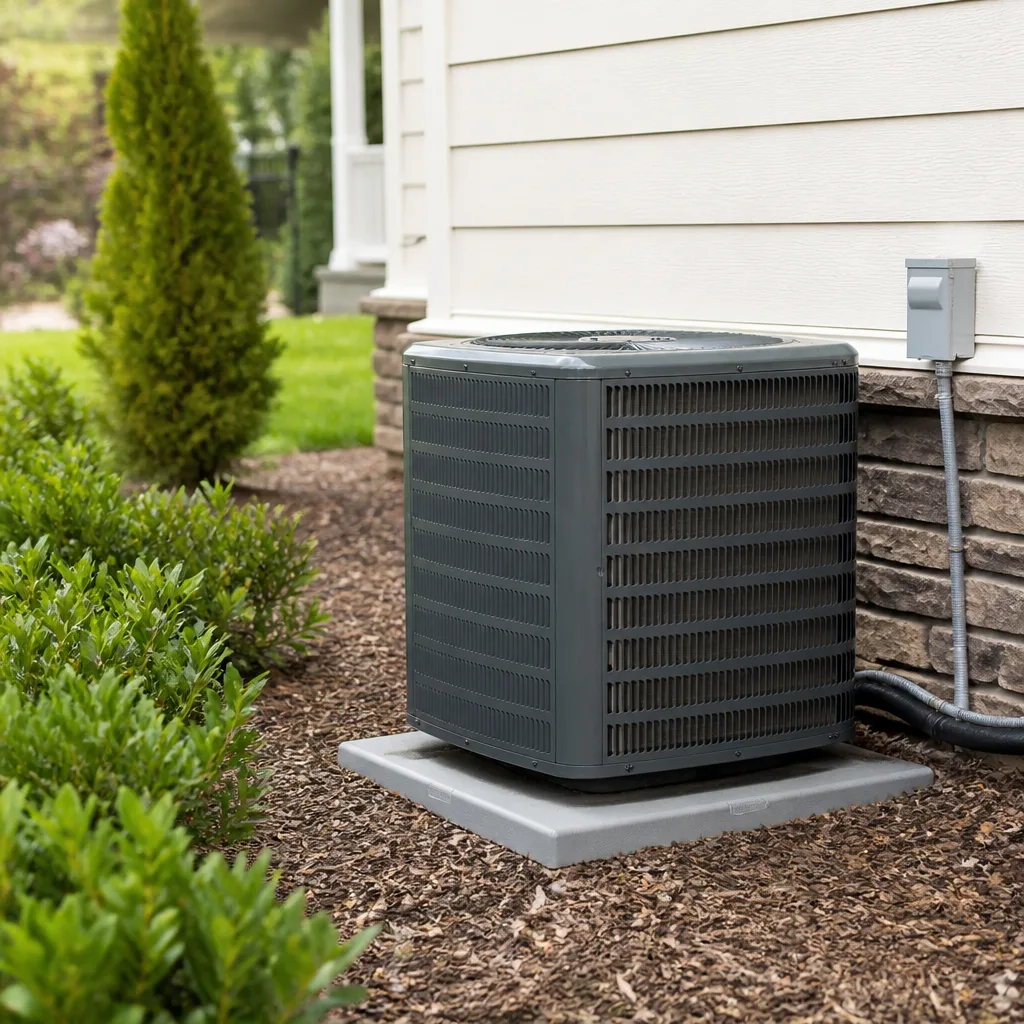 Goodman
Seasonal tune-up and full diagnostic on your Carrier, Trane, or Goodman system - readings shown to you before any repair is proposed
Diagnosis first, numbers second - you approve the repair price before a single part goes in.
Get your free estimateChoosing the Right HVAC Brand: A Buyer’s Guide for Burbank
The name stamped on the condenser matters far less than whether the company servicing it can get the right part without a two-week wait. That’s the opposite of what most brand guides tell you, and it’s why so many Burbank homeowners end up frustrated with equipment that looked great on a spec sheet. A premium badge doesn’t cool a house faster in August; a dealer who knows your system and has parts access does. This guide covers how to judge HVAC brands by what actually matters in Burbank: high heat, valley dust, older ductwork, and refrigerant rules that are shifting right now. You’ll learn which brands hold up here, how warranty registration really works, and when a mid-tier unit beats a premium one.
Quick Answer
The best HVAC brand in Burbank is the one a local service company can diagnose and get parts for quickly, rated for sustained operation above 100°F, and matched to your existing ductwork. For most homes here, a mid-tier brand from a well-distributed manufacturer (Carrier, Trane, Lennox, Goodman, Rheem, Daikin, York, Bryant, or American Standard) outperforms a premium brand with slow local parts access. Dealer registration and refrigerant type matter more than marketing tiers when you’re buying in 2026.
Styles & brands we work with
- AC repair
- Furnace & heating
- Heat pumps
- Ductless mini splits
- Carrier
- Trane
- Goodman
Table of Contents
- Which Brands Have Local Parts Distribution in Burbank?
- How Do You Judge High-Ambient Performance?
- Why Older Burbank Ductwork Changes the Brand Calculus
- What National Warranties Actually Cover in Burbank
- Refrigerant Type and Your 2026 Purchase
- Matching a Brand to Your Home, Not a Brochure
- Common Mistakes to Avoid
- Frequently Asked Questions
Which Brands Have Local Parts Distribution in Burbank?
The systems with the shortest repair wait times in Burbank are the ones with parts stocked in the Glendale, Pasadena, and San Fernando Valley distribution corridor. That means Carrier, Trane, Lennox, Goodman, Rheem, and Daikin all have reasonably fast access to common components like compressors, capacitors, control boards, and blower motors through regional supply houses. York, Bryant, and American Standard also move through that corridor, though specific parts on less-common models can take longer. When a homeowner waits a week or more for a proprietary control board, it’s almost always because the brand routes that part through a national warehouse rather than a local one.
Parts availability has three tiers in this market:
- Fast (same or next day for common parts): Carrier, Trane, Lennox, Goodman, Rheem, Daikin. Regional supply houses carry the parts most residential systems actually fail on.
- Moderate (one to three days for common parts): Bryant, American Standard, York. Parts move through the same corridor but with less redundancy.
- Slow (special order on brand-specific electronics): Any brand when the failure is on a proprietary inverter board, variable-speed control module, or communicating thermostat. This is the failure mode that causes the longest waits.
What that means for a Burbank homeowner: ask your service company which brands they can get parts for the same week. If you’re going to buy new equipment, favor a brand with more than one local distributor behind it. Redundancy in the supply chain is worth more than a slightly higher efficiency rating on paper, especially when the alternative in a July heat wave is a house that sits at 95°F for days. We work on the system you already have, so we’ve seen the difference first-hand between a brand a crew can service quickly and one they can’t.
How Do You Judge High-Ambient Performance?
High-ambient performance in Burbank means a unit’s ability to hold its rated capacity when the outdoor temperature pushes past 100°F, which happens with real regularity in July, August, and September. Almost every residential AC sold today is rated at 95°F outdoor temperature under AHRI standards. What matters here is how far the unit can hold its capacity above that. Some systems hold full capacity to 105°F and then begin shedding; others start dropping cooling output at 100°F, right when Burbank needs it most.
Here’s how to actually evaluate that:
- Ask for the manufacturer’s extended performance data, not just the AHRI base rating. Extended ratings show capacity at 105°F and 110°F.
- Look at the compressor type. Two-stage and variable-speed compressors hold capacity better above 95°F than single-stage units, which are all-or-nothing.
- Check the condenser coil surface area. Larger coils shed heat faster at high ambient and resist the effects of dust from the valley geography.
- Confirm the refrigerant charge tolerance. Systems with larger charge tolerances handle the long run times of sustained heat more gracefully.
- Weigh the matched indoor unit and coil against the outdoor unit. A great outdoor unit paired with a mismatched coil behaves like a mid-tier system at best.
Burbank’s climate is also dry, dusty, and full of particulates pulled off the Verdugo Mountains and the valley floor. A condenser that can’t pull air cleanly through a dusty coil will run hotter than its lab rating no matter how premium the badge. Filter maintenance and coil cleaning matter more here than raw brand tier. This is a place where a modest Goodman or Rheem with disciplined maintenance often outlasts a premium Lennox that never gets its coil cleaned.
Why Older Burbank Ductwork Changes the Brand Calculus
A lot of Burbank homes are mid-century builds with ductwork that was sized for a much smaller system, or that has developed leaks, crushed sections, or undersized returns over decades. In those houses, buying a premium variable-speed system to run against restrictive ducts is like putting a race engine in a truck with a clogged exhaust. The equipment can’t deliver what it’s rated for.
Here’s how restrictive ducts interact with brand choice:
- Static pressure is the real limiter. Ducts that were sized for a 2-ton system can’t be pushed harder just because the new outdoor unit is bigger.
- Premium efficiency features depend on airflow. Variable-speed blowers, ECM motors, and modulating capacity all rely on the duct system being able to move the rated cubic feet per minute. Restrictive ducts defeat them.
- Mid-tier equipment tolerates undersized return air better. A simple single-stage unit with a slightly oversized blower handling a mediocre duct system often performs more predictably than a highly modulating premium unit fighting restrictive ductwork.
- A duct evaluation should come before a brand decision. If the ducts can’t support the equipment tier you’re considering, the money is better spent fixing the distribution side first.
For a 2026 purchase decision in a Burbank house built before 1980, the honest case favors a mid-tier brand from a well-distributed manufacturer matched to your actual duct capacity. That’s not a knock on the premium brands. It’s recognizing that Carrier, Trane, and Lennox all make excellent equipment that will still underperform in a house with restrictive ductwork serving a load it was never forced to. Ask for a room-by-room load calculation, not a rule-of-thumb tonnage estimate. Honest options sound boring on paper. They stay cool in July.
What National Warranties Actually Cover in Burbank
A national manufacturer’s warranty isn’t a promise to you personally; it’s a promise to a registered, installing dealer. That distinction is the single most overlooked factor in brand selection. If the equipment is not registered with the manufacturer in the dealership’s name as the installing contractor, most warranties reduce coverage (typically from 10 years to 5 years parts) or void extended components entirely. When a Burbank homeowner buys equipment online or from an installer who doesn’t complete registration correctly, they’re buying equipment whose effective coverage is much shorter than the brochure implies.
The mechanics matter as much as the coverage term:
- Dealer registration. The installing company registers the equipment with the manufacturer at the time of install. Confirm this happens and keep the confirmation.
- Parts warranty vs. labor warranty. The manufacturer covers parts. Labor warranty is almost always a separate dealer offering. Ask which one you’re getting.
- Warranty transfer on resale. Some brands allow the warranty to transfer once to a new homeowner; others don’t. If you might sell the Burbank house, this affects the value you’re offering a buyer.
- Refrigerant and labor for pre-charged lines. Confirm whether the labor to recharge or top up is covered in the first year or not.
- Service company registration. Some manufacturers require the servicing company to be registered with them to honor parts claims. Ask your service company which brands they’re registered to work on.
Our team is certified to work on Carrier, Trane, Lennox, Goodman, Rheem, York, Daikin, Bryant, and American Standard. That means when a warranty claim needs to be filed against one of those brands, it goes through a company registered with that manufacturer, not a generalist. On the repair side, furnace repair and AC repairs under warranty need this same registration to process cleanly, which is one more reason to use a service company that stays current with each brand it handles.
Refrigerant Type and Your 2026 Purchase
Refrigerant type is the biggest brand-decision factor most buyers don’t think about, and it will shape your service costs through 2035. California is implementing the federal transition from high-GWP refrigerants, and R-410A systems are being phased out of new equipment in favor of R-32 and R-454B. A 2026 purchase decision lands right in the middle of that transition.
Here’s what that means in practice:
- R-410A: What’s in most Burbank homes right now. Still available for service, but the supply will tighten as manufacturers shift production. If you buy new R-410A equipment in 2026, plan on servicing it while R-410A remains stocked, which should hold for several more years but won’t last forever.
- R-32: Lower global warming potential and increasingly common. Some brands have leaned in earlier than others. The service side is developing, but ask which local distributors stock R-32 for repairs.
- R-454B: The other leading low-GWP option. Similar trajectory to R-32 in terms of local availability. Refrigerant for service may still be special order in some markets.
For a Burbank homeowner, the practical advice is to ask two questions before you buy anything in 2026: which refrigerant is the system charged with, and can your service company get that refrigerant locally within a few days. A unit whose refrigerant can’t be sourced quickly after a leak is not much use in August. A brand whose local distribution still stocks spare coils and line sets for its current refrigerant is more valuable than one with a marginally better efficiency rating on a slightly older gas.
Matching a Brand to Your Home, Not a Brochure
The best brand for a Burbank home is the one whose equipment fits the house it’s going into, which is why a room-by-room load calculation should come before a brand conversation. Too many brand guides start with equipment tiers. The right order is the reverse: figure out the actual load, audit the ductwork and insulation, then pick the equipment tier that delivers on that load reliably.
A few Burbank-specific realities that affect the match:
- Homes near the Verdugo Mountains and in the hillside neighborhoods around Burbank often have more solar gain on west-facing walls than a rule-of-thumb tonnage estimate accounts for. Load calculation catches this.
- Homes in the flatlands near downtown Burbank tend to have more standard loads, which means a mid-tier brand usually delivers full value.
- Additions, converted garages, and enclosed patios are common in older Burbank housing stock. These spaces are often on their own small zones, and a mini-split or a matched small unit is usually a better fit than upsizing the main system.
- Older homes with original single-pane windows will see more performance delta from window and insulation upgrades than from a premium brand with a couple of points more efficiency.
The pattern here repeats. Brand is a top-five decision, not a top-two one. Load calculation, duct condition, refrigerant availability, and dealer registration each carry weight the brand itself doesn’t. When we quote a AC installation, the brand recommendation follows the load and duct findings, not the other way around. Whether it needs a repair or a full replacement, we’ll tell you which one actually makes sense.
Step-by-Step: How to Evaluate a Brand Before You Buy in Burbank
This is the practical process, in order:
- 1
Get a room-by-room load calculation. Any quote without one is guesswork. A proper Manual J calculation (or an equivalent) should be part of the conversation.
- 2
Have your ductwork assessed. Static pressure, duct sizing, leaks, and return air capacity. All of these determine whether premium equipment will deliver.
- 3
Ask which brands your service company is registered to work on. A company that services the nine major brands in this market will have seen your system type before.
- 4
Confirm local parts distribution for the brand under consideration. Ask specifically about control boards, compressors, and blower motors on the model you’re quoted.
- 5
Check the extended high-ambient performance data. Not just the AHRI base rating. Ask what the capacity is at 105°F.
- 6
Confirm the refrigerant and its local availability. R-410A, R-32, or R-454B. Ask when your service company can get a top-up or coil replacement.
- 7
Confirm dealer warranty registration in writing. Registration is what preserves the manufacturer’s parts warranty; it’s not automatic.
- 8
Ask for the written estimate. It should spell out equipment model, indoor coil, line set, refrigerant, labor, and warranty terms separately. The price per job is set by that written estimate.
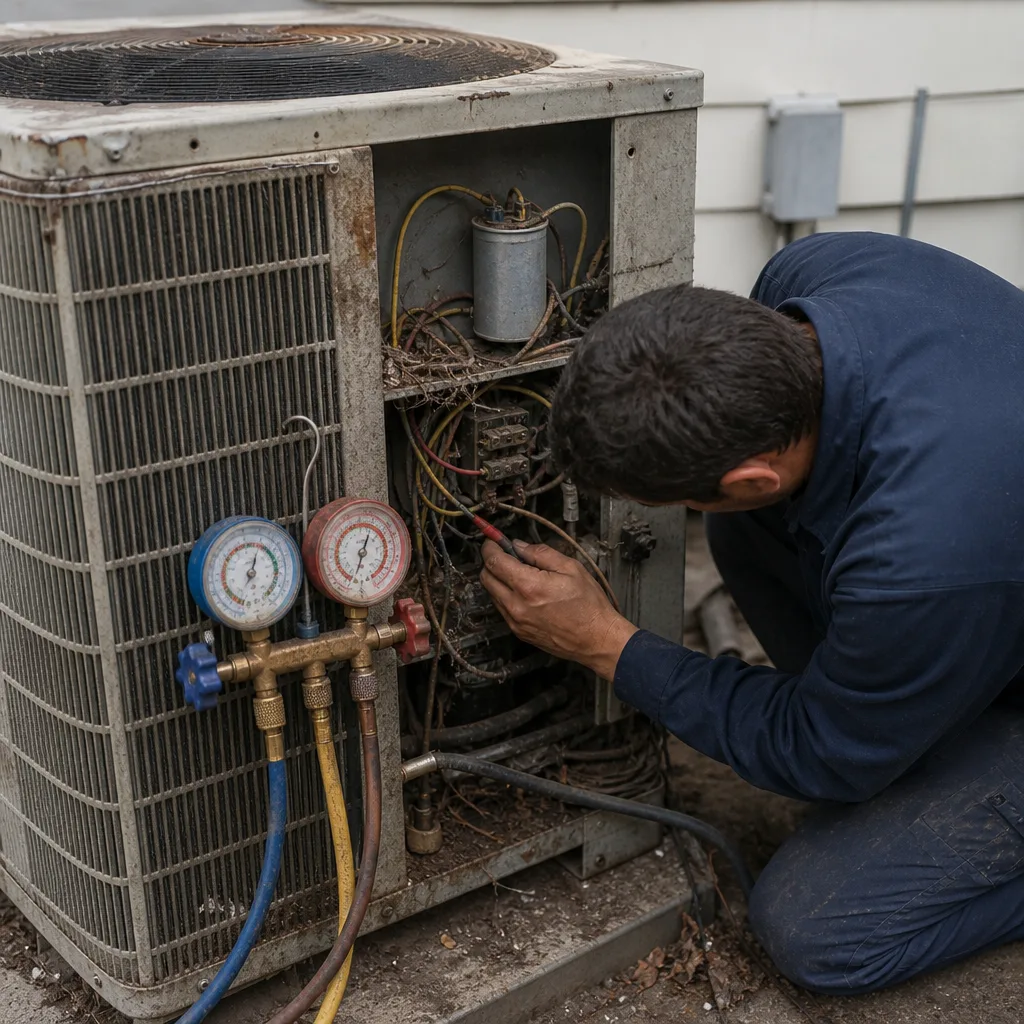
See the difference
 Before
 After
 Before
 After
 Before
 After
Common Mistakes to Avoid
- Choosing the brand first and the contractor second. The best Trane in the world will fail on a bad install. Install quality and ductwork compatibility carry more weight than the equipment badge. Pick the service company that knows your system, then let it recommend a brand.
- Skipping warranty registration. A manufacturer’s ten-year parts warranty assumes registration. Without it, coverage shrinks or drops away entirely. Confirm registration is part of the job.
- Comparing efficiency ratings without comparing duct conditions. A SEER2 rating means nothing if the ducts deliver half the airflow the unit expects. In older Burbank homes, this is the single most common cause of disappointment post-install.
- Buying premium equipment for a house with mid-tier ductwork. If the ducts can’t move the air, the extra variable-speed and modulating features go unused. Match the tier to the infrastructure.
- Ignoring refrigerant type on a 2026 purchase. Buying R-410A without understanding the phase-out timeline, or buying R-32/R-454B without confirming local refrigerant availability, creates a service cost problem in three or four years.
- Assuming national warranty coverage without checking which dealer is registered in the manufacturer’s system. A repair filed through an unregistered dealer can delay or void a claim. Ask before you buy, not after the compressor dies.
- Treating a brand’s reputation as a substitute for local service quality. Carrier, Trane, and Lennox are excellent brands. They still fail in ways only a company that works on them routinely diagnoses quickly. Service familiarity is what keeps Burbank homes comfortable.
When to Call a Professional
Call a professional for any repair involving the compressor circuit, refrigerant lines, or control boards; these jobs require refrigerant handling certification and diagnostic tools that aren’t safely improvised. Call when your system is over ten years old and has needed more than two repairs in the past two seasons; at that point, the repair-or-replace decision has real dollars behind it. Call if you’re considering a 2026 replacement and haven’t had a room-by-room load calculation done. Call before a summer heat wave if your system has been running longer cycles than usual. AC Repair Burbank offers free estimates in Burbank. Call (844) 962-2046. We answer 24/7. Fast dispatch from 7am to 7pm, Sunday through Friday.
Frequently Asked Questions
For most Burbank homes, a mid-tier brand from a well-distributed manufacturer (Carrier, Trane, Lennox, Goodman, Rheem, or Daikin) delivers better real-world value than a premium brand whose parts move slowly through local supply. The best brand is the one your service company can diagnose and get parts for quickly, rated for operation above 100°F, matched to your ductwork. Call (844) 962-2046 for an exact quote; estimates are free.
No. Installation quality, duct compatibility, and load calculation accuracy affect performance and lifespan more than brand choice. A well-installed mid-tier system will typically outlast and outperform a poorly installed premium system. Brand is a top-five decision, not a top-two one.
Yes, if the equipment was registered by the installing dealer at the time of installation. Without that registration, most manufacturer parts warranties shrink from ten years to five years parts or shorten in some other way. Ask your installer to confirm registration is done, and keep the confirmation on file. Call (844) 962-2046 if you’re not sure whether your system is registered; we can help check.
R-410A is what’s in most Burbank homes now, and it’s still serviceable for several years, but new equipment is shifting toward R-32 and R-454B under California’s refrigerant transition. Either can work for a 2026 purchase; the deciding question is whether your service company can source that refrigerant locally within days. Ask before you commit.
Our technicians are factory-familiar with nine brands: Carrier, Trane, Lennox, Goodman, Rheem, York, Daikin, Bryant, and American Standard. That covers most of what’s installed in Burbank homes. If you’re not sure which brand you have, check the data plate on the outdoor unit and read us the model number. Call (844) 962-2046.
Premium brands are excellent equipment, but the wrong fit for a house with restrictive ductwork or slow local parts access. When premium efficiency features depend on airflow the ducts can’t deliver, or when a proprietary control board has no local stock, you’re paying extra for value you can’t use. Match the tier to your home’s actual capacity.
The Bottom Line
Choosing the right HVAC brand in Burbank comes down to four things, in this order: local parts availability, high-ambient performance above 100°F, compatibility with your existing ductwork, and confirmed dealer warranty registration. Refrigerant type matters more now than in past decades because of California’s transition away from R-410A. Premium brands are excellent in the right house; a mid-tier brand matched to your home’s actual load and duct condition beats a premium system fighting infrastructure it can’t win against. Our technicians have up to experience working on the system you already have. See our Burbank service page for local details, or start with AC Repair Burbank for the full range of heating and cooling work we handle.
If you’d rather let a technician look at what you have and talk through the options in plain terms, we’re glad to. Call (844) 962-2046. We answer 24/7. Fast dispatch from 7am to 7pm, Sunday through Friday. Estimates are free, and the written estimate sets the final price.
Written by the team at AC Repair Burbank.